Dell Family to Invest $6.25 Bn Into Savings of 20 Mln Children in US

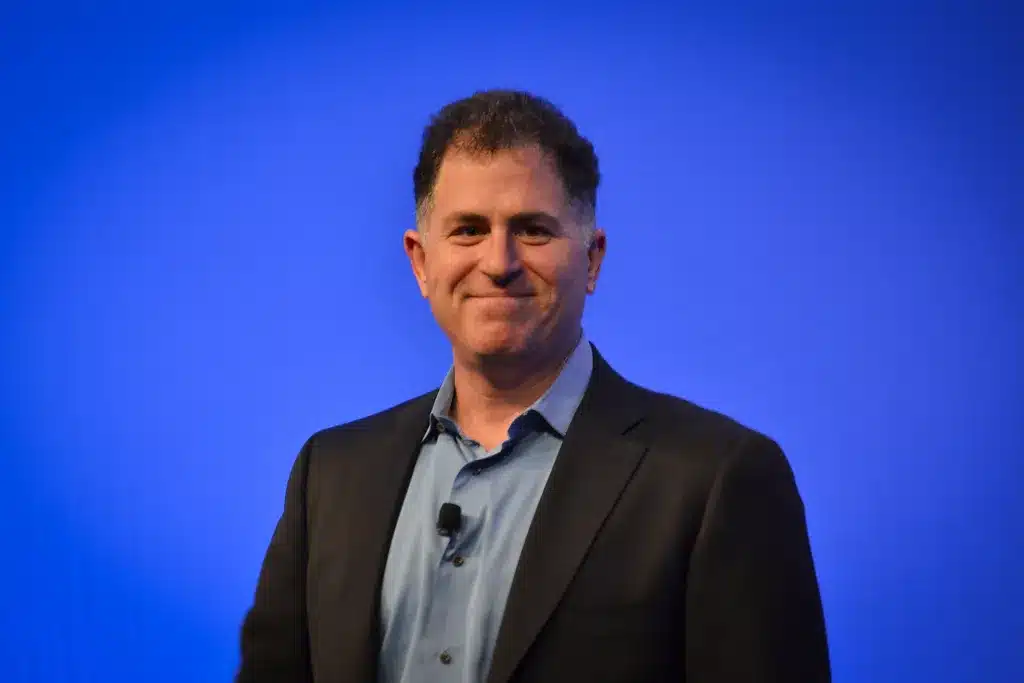
Tech billionaire Michael Dell and his wife Susan have pledged $6.25 bn to support the new Trump-branded investment accounts designed to help American children build long-term savings. The donation will provide $250 each to 25 mln children across the country.
The accounts were approved by Congress earlier this year as part of a wider tax and spending bill. They are intended to encourage families to save for their children’s retirement, with babies born between 2025 and 2028 also set to receive $1,000 from the government.
The Dells said their contribution, which targets children aged ten and under, aims to seed these accounts and widen access. Michael Dell said even a modest early boost can make a significant difference to future financial security.
Money from the donation will be placed into the Trump accounts, which must be invested in a low-cost index fund that mirrors the stock market. Children born before January 1 2025 and living in areas with a median income below $150,000 are eligible.
The Dells estimate their gift will reach nearly 80% of US children aged ten and under, making it one of the largest direct private donations in American history. Michael Dell, whose wealth is valued at almost $150 bn, urged other philanthropists and employers to follow suit.
The president’s reaction
President Donald Trump welcomed the donation, saying the accounts will give middle-income families a stake in national prosperity and a chance to benefit from long-term market growth.
Official projections suggest the government’s $1,000 contribution could grow to more than $5,800 over 18 years, while a $250 deposit might reach about $1,600. Parents will be able to set up the accounts through their annual tax filing, with the Treasury Department preparing full guidance for next year.
Families can contribute up to $5,000 a year, with employers and charitable groups also permitted to add funds. Children can access the money at 18 when the account converts to a retirement fund, though early withdrawals later in life may carry tax penalties.
The scheme has drawn criticism from some analysts and political figures who argue that it adds complexity to the US savings system and may favour families already able to put aside money. Others have questioned suggestions that the plan could be used as an alternative to government-run retirement programmes.
Despite this, supporters say the accounts could help create a long-term culture of saving and offer millions of children a financial foundation they would not otherwise have.