UN Strengthens Forensic and Ballistic Capabilities in Central Asia

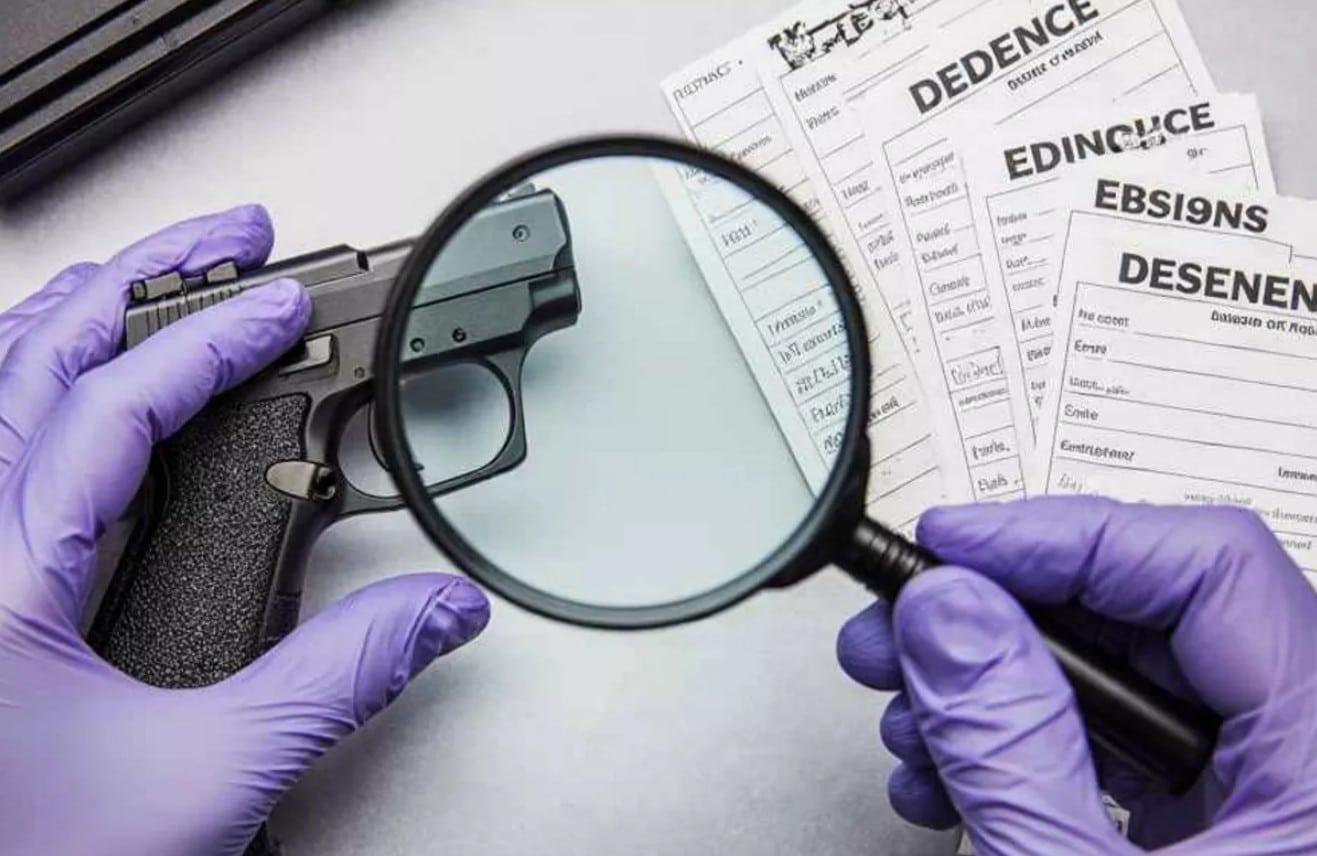
The United Nations Office on Drugs and Crime and the United Nations Office of Counter-Terrorism have delivered advanced forensic and ballistic equipment to law enforcement agencies in Tajikistan and Uzbekistan as part of a joint initiative to combat the illicit circulation of small arms and light weapons.
Funded by Canada, the project aims to strengthen national security and improve the effectiveness of criminal investigations linked to organised crime and terrorism.
In November, Tajikistan’s Interior Ministry received high-precision digital ballistic microscopes capable of analysing bullets and cartridges and integrating data into national ballistic information systems. Officials said the equipment would help trace weapons used in crimes and modernise forensic laboratories.
In December, Uzbekistan’s Main Expert-Forensic Center was supplied with advanced IT equipment to enhance ballistic analysis and support investigations into illegal arms trafficking and terrorist activity. UNODC representatives said the support underlined their long-term partnership with Uzbek authorities.
The initiative is part of broader UN efforts to boost law enforcement capacity in Central Asia, support international cooperation, and implement global counter-terrorism frameworks aimed at preventing illegal weapons from reaching terrorist groups.
Kursiv Uzbekistan also reports North Korea has revealed its first nuclear-powered submarine, a major milestone in its military development that is expected to heighten regional security concerns.