New Trump Immigration Restrictions and H-1B Changes Take Effect in January

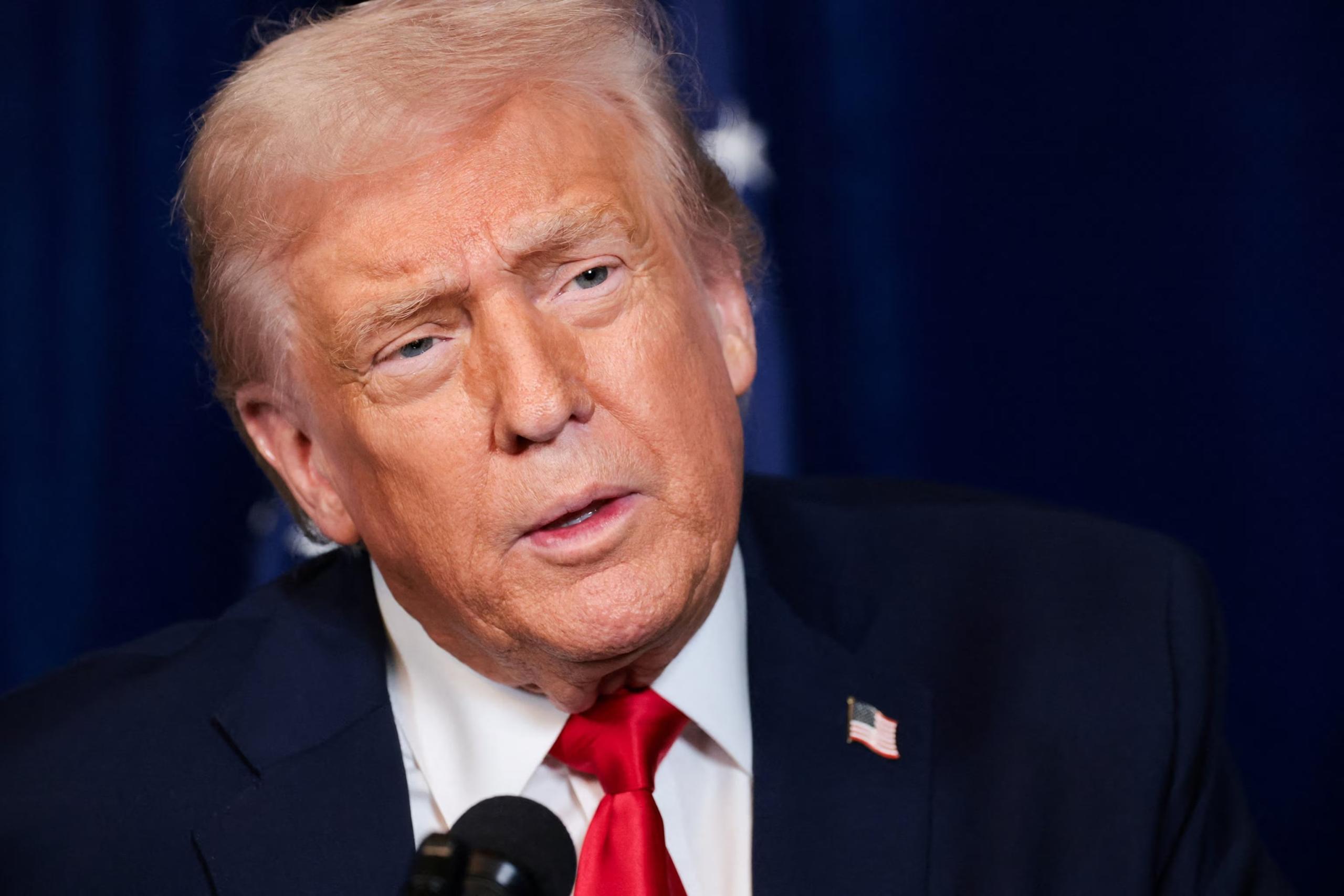
New immigration restrictions signed by former President Donald Trump came into effect in the United States on January 1. The rules affect both travellers and visa applicants from several countries.
Under the updated guidance, individuals from Burkina Faso, Laos, Mali, Niger, Sierra Leone, South Sudan and Syriaare not allowed to enter the U.S. The travel ban also continues for Afghanistan, Myanmar, Chad, Republic of the Congo, Equatorial Guinea, Eritrea, Haiti, Iran, Libya, Somalia, Sudan and Yemen. Partial restrictions remain in place for Venezuela and Cuba. The White House said the measures are for national security and public safety, while immigrant advocates argue they target African and Muslim-majority countries.
The restrictions coincide with changes to the H-1B visa programme, which lets U.S. employers hire foreign workers with specialised skills. The lottery system has been replaced with a weighted selection. Applicants with higher wages are now prioritised. The U.S. Citizenship and Immigration Services says the new system prevents abuse and strengthens America’s competitiveness.
Immigration experts warn that the changes may limit opportunities for international students. Fewer people may qualify for H-1B visas, which could worsen the brain drain. The programme receives about 85,000 applications a year.