Why does Israel’s Recognition of Somaliland Matter and Who Benefits

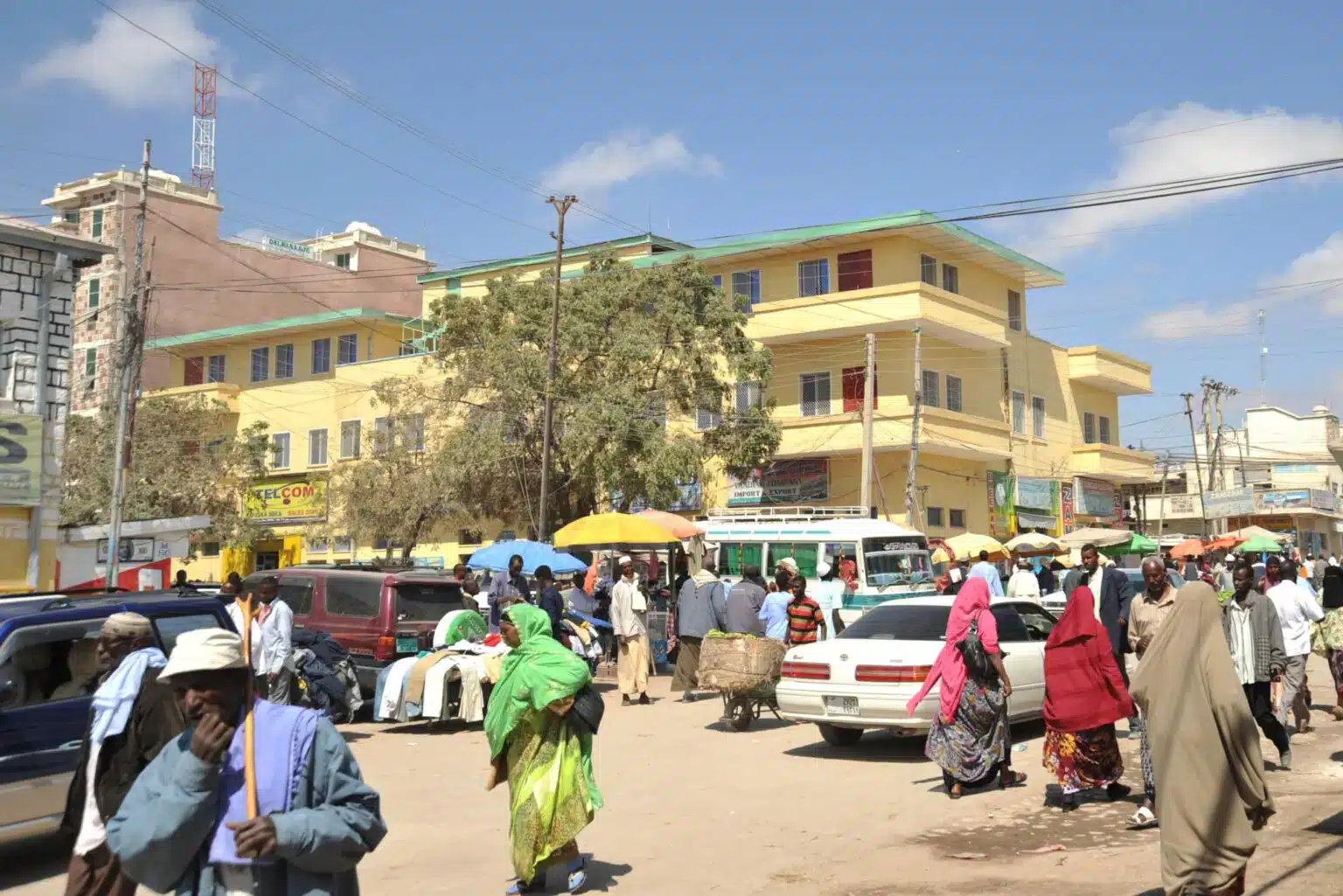
On December 26, Israel recognised the independence of Somaliland, a part of Somalia that has effectively operated independently of Mogadishu since 1991. Kursiv Uzbekistan spoke with experts about what prompted Tel Aviv to take this step, how the news was received in Somaliland and worldwide, and how the recognition might affect broader politics in the Horn of Africa.
Why does Israel want Somaliland
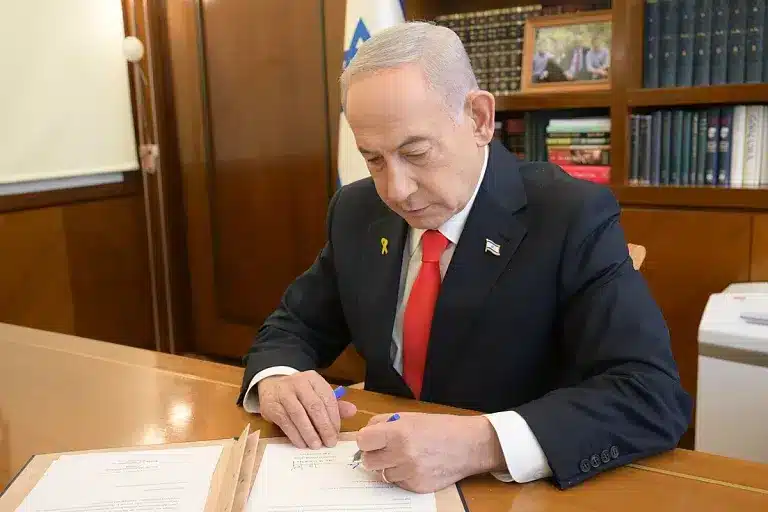
According to Ludmila Samarskaya, a research fellow at the Centre for Middle East Studies IMEMO RAS, Israel’s decision fits into the broader logic of expanding the Abraham Accords.
«Amid a certain slowdown in this process, bringing an additional actor into Israel’s circle of partner countries, even if quasi-state, allows us to speak at least of a symbolically significant success,» Samarskaya said.
She also highlighted Somaliland’s geographic importance. The republic is located on the Horn of Africa, along the Gulf of Aden, relatively close to Yemen, where the Ansar Allah (Houthi) movement operates. This territory may be of interest to Israel in terms of logistics, intelligence or security.
At the same time, Samarskaya emphasised that establishing military bases abroad is not a typical practice for Israel, although a UAE base, one of Israel’s key partners, already operates in Somaliland.
Recognition of Somaliland can also be seen as part of strategic competition with Turkey, which is actively expanding its influence in the region and maintains a military base in southern Somalia.
«In this case, however, it is not about military confrontation, but rather strategic competition,» the expert clarified.
Global reaction
Israel’s recognition of Somaliland has triggered a rare wave of international disapproval both in scale and geography.
The Somali government declared that Somaliland is an «inseparable, indivisible and inalienable part» of the country’s sovereign territory. The foreign ministry stressed it would not allow foreign military bases or mechanisms that could draw the country into indirect conflicts or alter the regional balance of power.
Other regional actors responded firmly. Turkey, Egypt, Saudi Arabia and Djibouti said recognition sets a «dangerous precedent» that could encourage separatist movements far beyond the Horn of Africa.
Even Israel’s closest allies have distanced themselves. Donald Trump, who has close personal and business ties with Israeli Prime Minister Benjamin Netanyahu, dismissed the possibility of U.S. recognition with a simple «no».
The head of the African Union commission, representing around 50 countries, reaffirmed commitment to the principle of the inviolability of borders established after decolonisation. The United Nations took the same stance, regarding recognition of Somaliland as contrary to international law and resolutions upholding Somalia’s sovereignty.
Among the few supporters was Taiwan. Its foreign ministry statement described Taiwan, Israel and Somaliland as «like-minded democratic partners sharing common values of democracy, freedom and the rule of law».
Is it euphoria with limits?
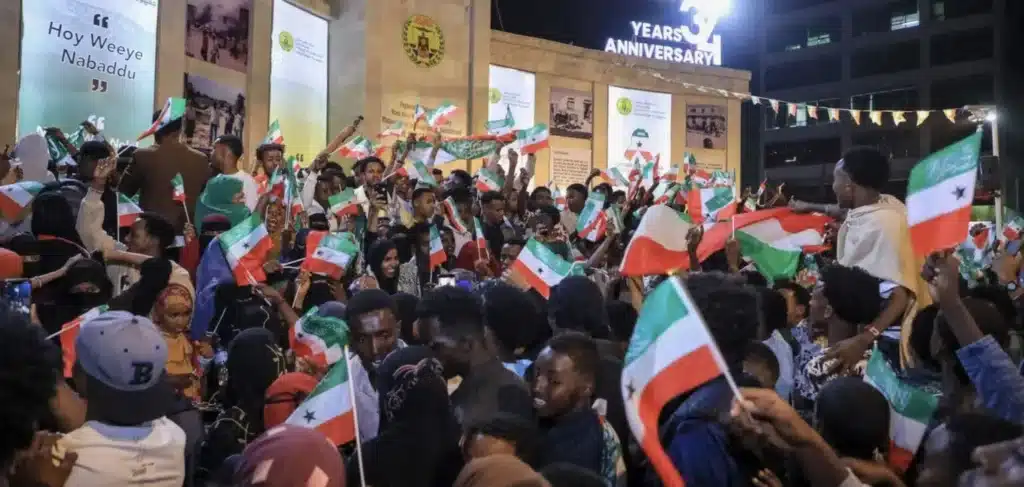
Reaction inside Somaliland to Israel’s recognition has been mixed, said Michael Walls, a professor at University College London specialising in political development and socio-economic processes in the Horn of Africa. He noted that the practical significance of the step is limited, although it carries strong symbolic weight.
«For many in Somaliland this is the culmination of 34 years of effort — with the hope that Israel will be the first of many. However, we will have to wait and see what happens next. In terms of Somaliland’s internal politics, it has at least momentarily brought many there together across the political divides,» Walls said, adding that this effect is not necessarily sustainable.
He noted that Israel is generally viewed with suspicion by much of the society, heightened by the war and destruction in Gaza. While the authorities projected the Israeli flag onto one of Hargeisa’s central buildings, celebrations were «otherwise notable for the absence of any Israeli imagery».
Ultimately, Walls stressed that much will depend on future developments. One scenario is that if other countries do not follow Israel’s example, «if there is no movement from other countries towards recognition that the excitement simply ebbs away and politics returns to much as it was before».
Berbera instead of Djibouti
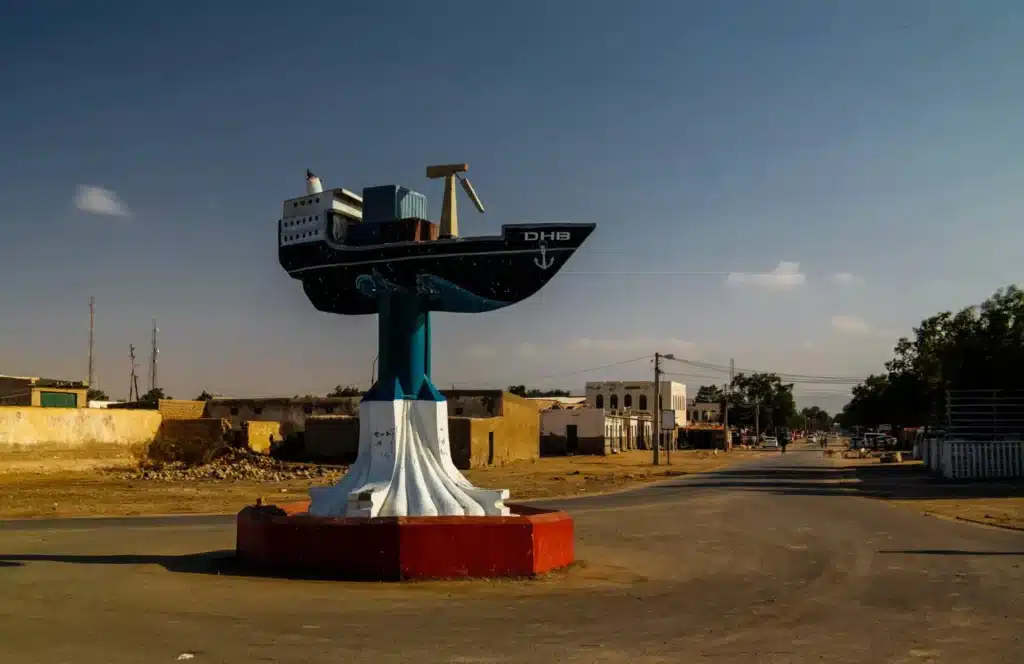
At the regional level, Ethiopia could be a key beneficiary of recognition. Since Eritrea’s secession in 1993, Ethiopia lost its only access to the Red Sea and was forced to reroute 90% of its foreign trade through Djibouti. This explains Addis Ababa’s interest in the port of Berbera, controlled by Somaliland.
In January last year, the two countries signed a memorandum of understanding under which Ethiopia agreed to recognise Somaliland in exchange for access to Berbera. However, Ethiopian authorities later backtracked under foreign policy pressure.
«Israel’s recognition makes it much easier for Ethiopia to also strengthen relations with Somaliland. They used to say they would be the second country to recognise Somaliland.
That is no longer the clear position but it illustrates the possibility that they will see this as a moment to press ahead with a formal transit agreement for the use of Berbera port as an alternative to Djibouti,» Walls said.
He added that such a scenario would also benefit the UAE. As a participant in the Abraham Accords, which Somaliland has publicly expressed interest in joining, the UAE could use this moment to confirm its support.