Uzbekistan Sets Target for 10% of Cars to Be Electric by 2030

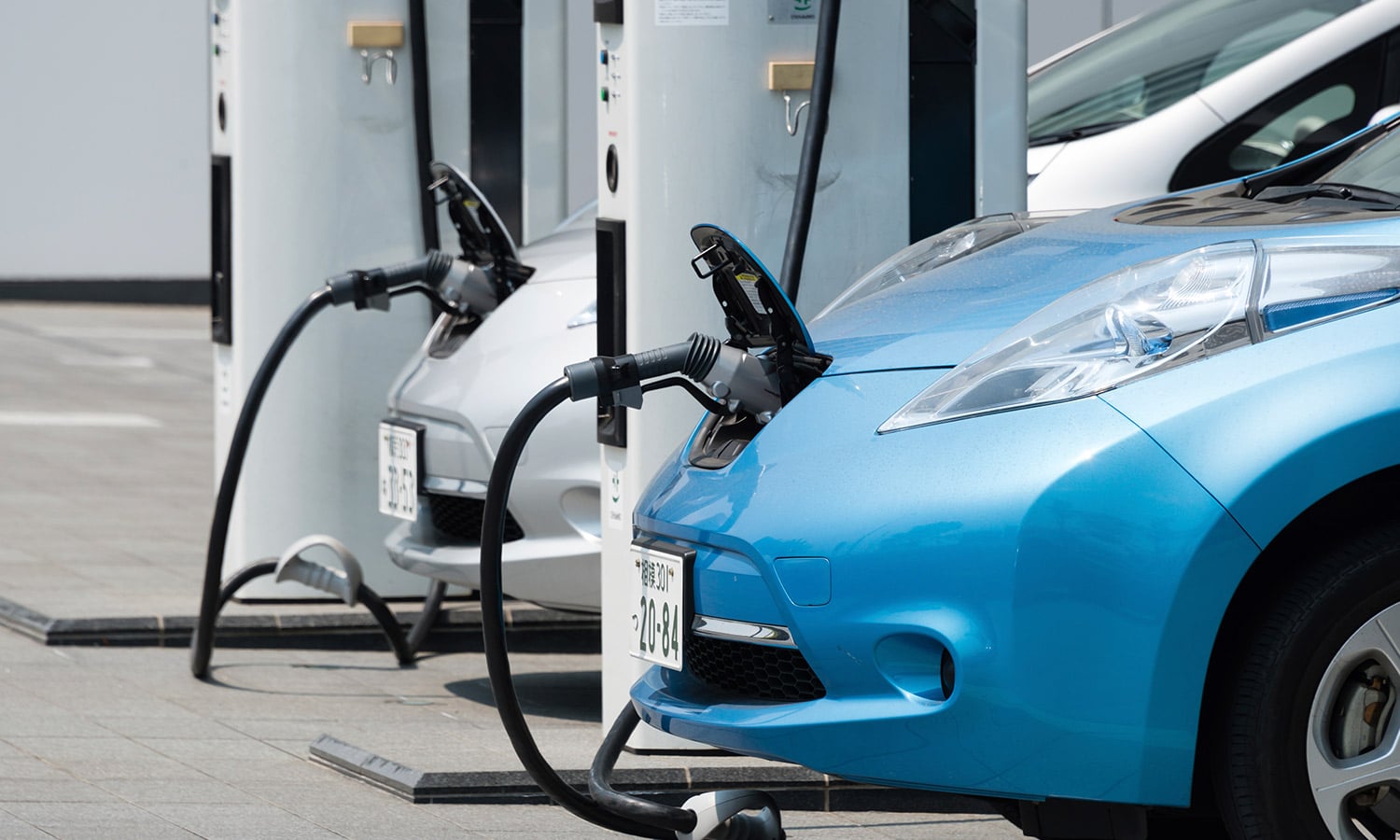
Uzbekistan is accelerating its push for greener transport, aiming for electric vehicles (EVs) to make up 10% of the country’s passenger car fleet by 2030. The goal is part of the updated Uzbekistan–2030 Strategy, which sets out a five-year roadmap for expanding EV adoption.
Under the plan, electric cars are expected to account for just under 2% of all passenger vehicles in 2026, rising to around 3% in 2027, 5% in 2028, and 7% in 2029. By 2030, one in every ten cars on Uzbek roads could be fully electric, a fivefold increase from current levels.
According to official data, as of October 1, 2025, Uzbekistan had 86,100 registered electric vehicles, representing 1.82% of the national fleet. The vast majority — almost 65,000 — operate in the capital, Tashkent, while Tashkent region and Samarkand lag behind in EV adoption.
To support the transition, the government unveiled a five-year programme in December, offering preferential car loans at 12% for locally produced EVs and 16% for imported models. It will also subsidise part of charging costs and provide incentives for businesses to develop charging infrastructure.
Kursiv Uzbekistan also reports that Central Bank of Uzbekistan registers 37 MFOs in 2025.