Taliban’s New Penal Code Sparks Alarm over Executions, Dissent and Women’s Rights

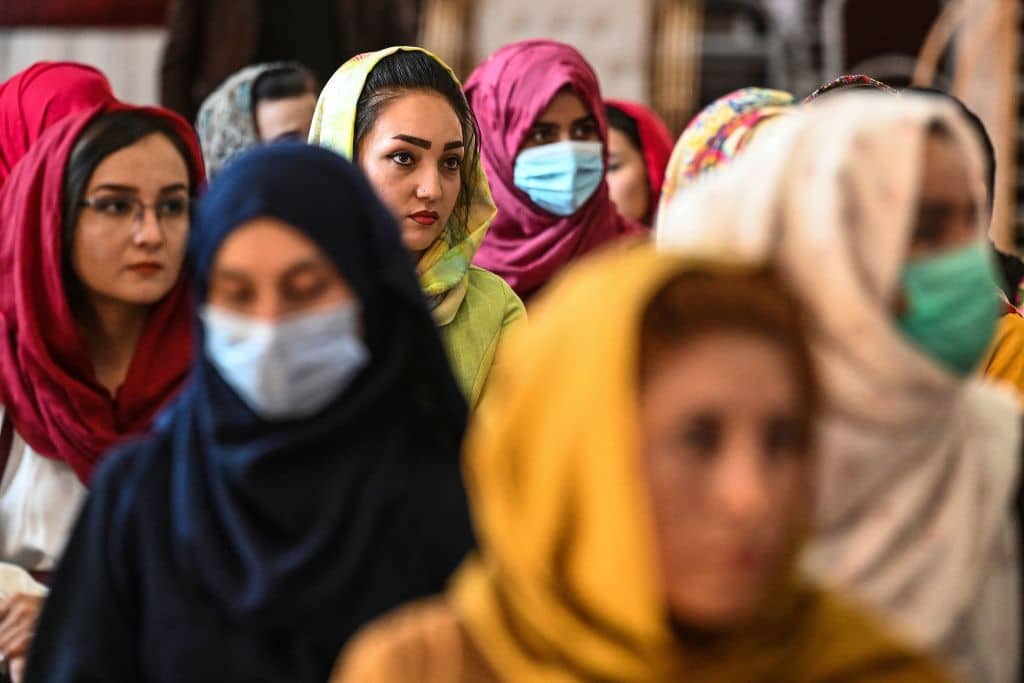
The Taliban has enacted a sweeping new penal code that rights advocates say dramatically reshapes Afghanistan’s legal system by expanding state control, authorising corporal punishment and further stripping women and girls of legal protections.
According to reporting published on February 24, the 119-article document, titled the «Penal Principles of Taliban Courts», was signed on January 7 by Taliban leader Hibatullah Akhundzada and took effect immediately, without public announcement or consultation. The code became public weeks later after Afghan human rights organisation Rawadari published the Pashto text, prompting criticism from legal experts and activists.
The regulation reportedly mandates absolute obedience to the Taliban’s supreme leader, with disobedience punishable by flogging or imprisonment. Provisions also criminalise criticism of Taliban officials, failure to report suspected opposition activity and, in some cases, even silence in the face of dissent.
Rights groups say the code further entrenches discrimination by dividing society into hierarchical classes and explicitly recognising people as either «free» or «enslaved,» with harsher penalties for those of lower status. Women, advocates warn, are particularly targeted: the code is said to permit husbands to punish wives through discretionary violence, while recognising domestic abuse as a crime only in limited circumstances and reportedly capping penalties at 15 days in prison.
One of the most contentious clauses, Article 16, reportedly allows the Taliban leader to approve executions under broad categories of «discretionary punishments,» including offences such as opposing the Taliban, promoting beliefs deemed un-Islamic, sorcery and undefined moral crimes. Critics say the vague language could enable the law to be used against political opponents, religious minorities and anyone viewed as nonconforming.
Despite the severity of the provisions, the article notes that international reaction has been limited, with public concern largely confined to remarks from the UN special rapporteur on Afghanistan. Advocates argue the new code formalises a system in which violence is legal, obedience is enforced and women’s autonomy is further erased from public life.
From economics and politics to business, technology and culture, Kursiv Uzbekistan brings you key news and in-depth analysis from Uzbekistan and around the world. To stay up to date and get the latest stories in real time, follow our Telegram channel.