China, Central Asia Struggle to Contain Foot-and-Mouth Disease Outbreak

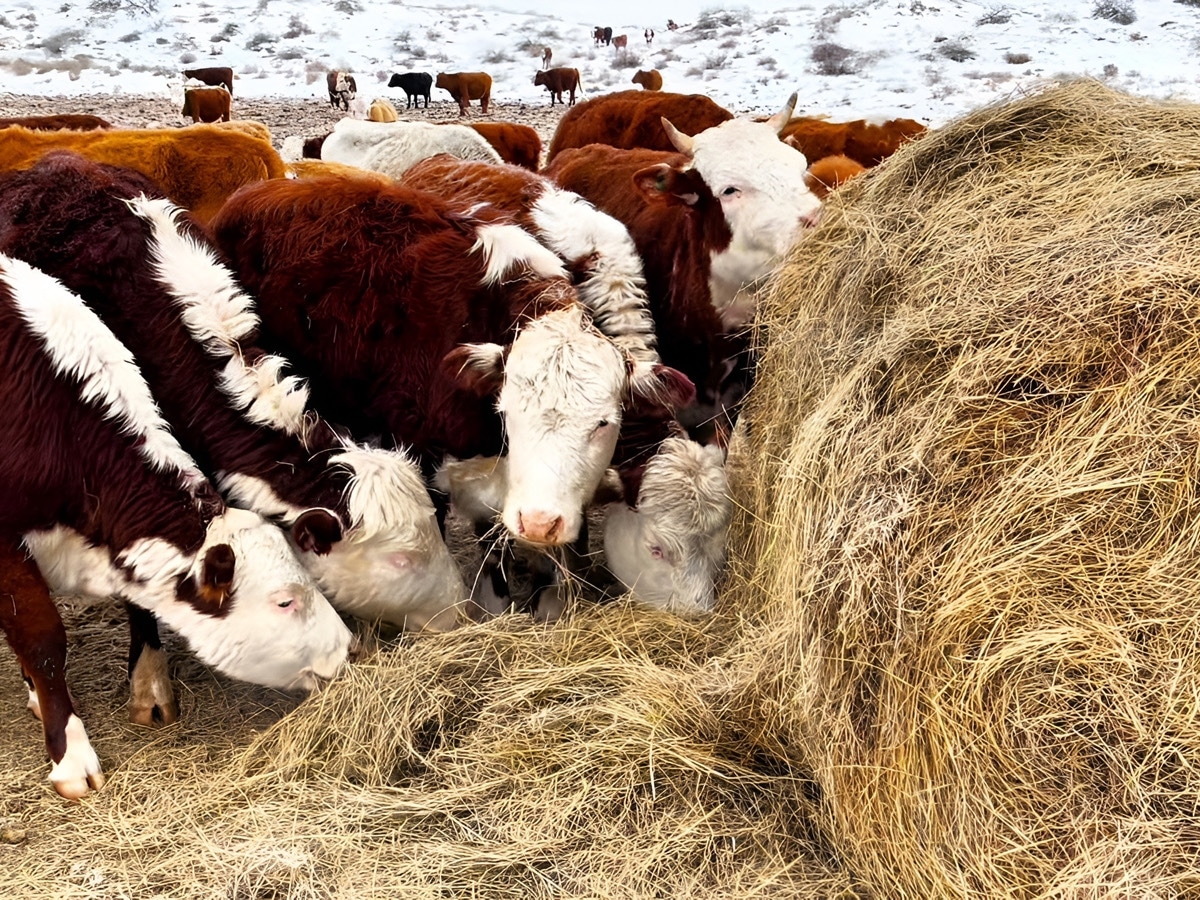
China and several Central Asian countries are facing growing difficulties in containing an outbreak of foot-and-mouth disease (FMD), raising concerns over livestock losses and regional trade disruptions.
The outbreak has been reported in northwestern China, particularly in Xinjiang and Gansu provinces, where authorities confirmed infections in cattle and introduced emergency measures including culling, transport restrictions and accelerated vaccination campaigns.
Officials say the disease, including the fast-spreading SAT-1 strain, poses a serious threat due to its high transmissibility and limited effectiveness of existing vaccines, complicating containment efforts.
The situation is further complicated by cross-border livestock movement across Central Asia, where porous borders and trade links increase the risk of the disease spreading between countries. Governments in the region are tightening controls and monitoring animal health more closely to prevent wider outbreaks.
Experts warn that prolonged disruptions could impact meat supply chains and agricultural economies across the region, as authorities race to contain the disease and protect livestock industries.
From economics and politics to business, technology and culture, Kursiv Uzbekistan brings you key news and in-depth analysis from Uzbekistan and around the world. To stay up to date and get the latest stories in real time, follow our Telegram channel.