Middle East Conflict Triggers “Major Supply Shock”, Says Bank of England Governor

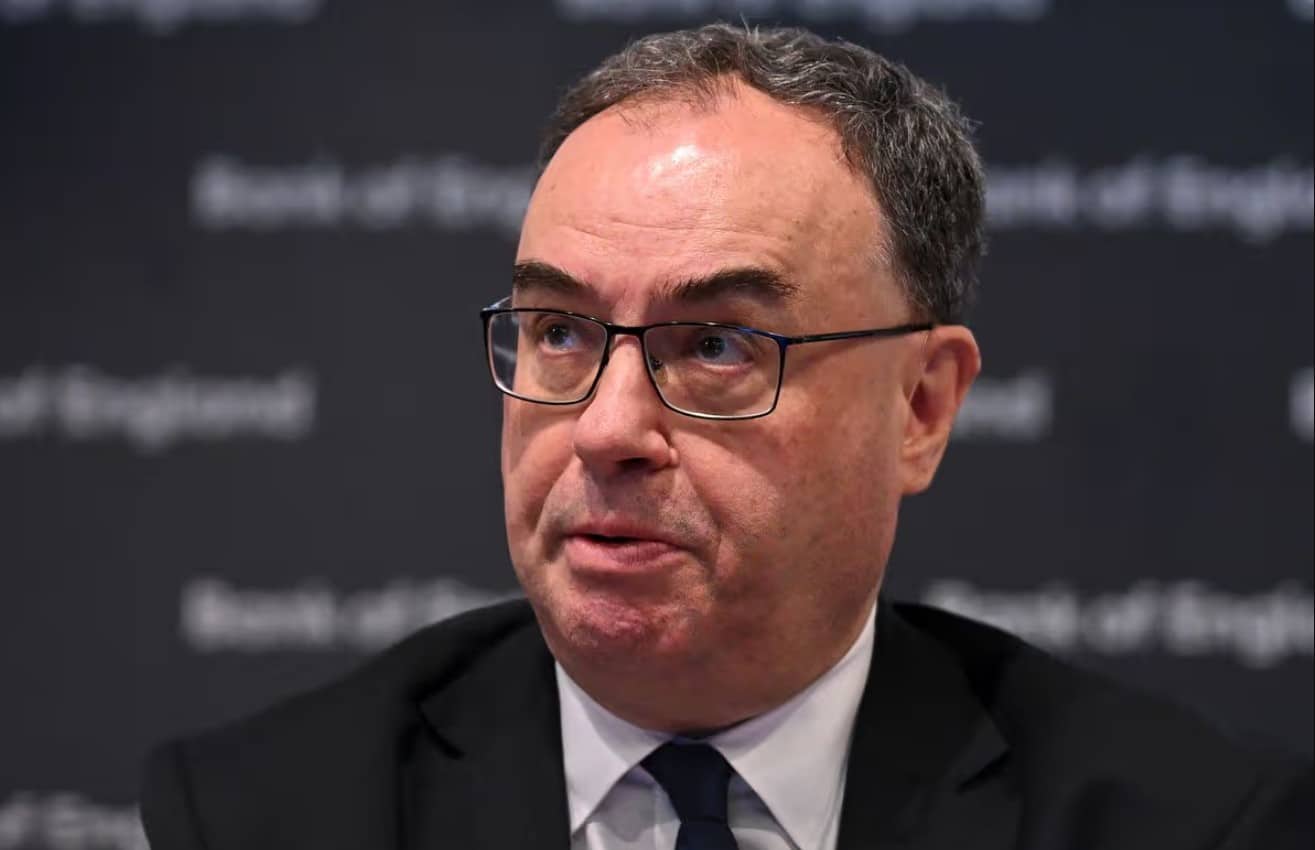
The war in the Middle East has created a «major supply shock» for the global economy, according to Andrew Bailey, who warned of potential consequences for inflation and growth.
Speaking ahead of the International Monetary Fund spring meetings in Washington, Bailey said the conflict, particularly tensions involving Iran, had delivered a significant economic jolt, largely through rising energy prices.
The disruption follows instability in the Strait of Hormuz, a critical route for global oil and gas supplies. The situation has contributed to higher costs and increased inflationary pressure in the UK.
The IMF has already downgraded Britain’s growth outlook, warning that rising energy prices could push inflation close to 4%, double the Bank of England’s target.
Despite the risks, Bailey stressed that the UK is better positioned to withstand the shock thanks to reforms made after the Global Financial Crisis, which strengthened the country’s banking system.
«I would argue that we are in a much better place today because we have got a resilient banking system,» he said, noting that financial stability remains a key priority.
Bailey declined to signal how the Bank’s Monetary Policy Committee might respond on interest rates at its next meeting on April 30, saying he would remain «studiously neutral».
The crisis has also prompted political tensions, with Keir Starmer pushing to secure safe navigation through Gulf waters, while Donald Trump criticised the UK’s energy strategy and urged increased North Sea drilling.
As the conflict continues, policymakers face growing uncertainty over how long the shock will last and how deeply it will affect inflation and economic stability.