E-Commerce Drives 35% of New Warehouse Demand in Central Asia

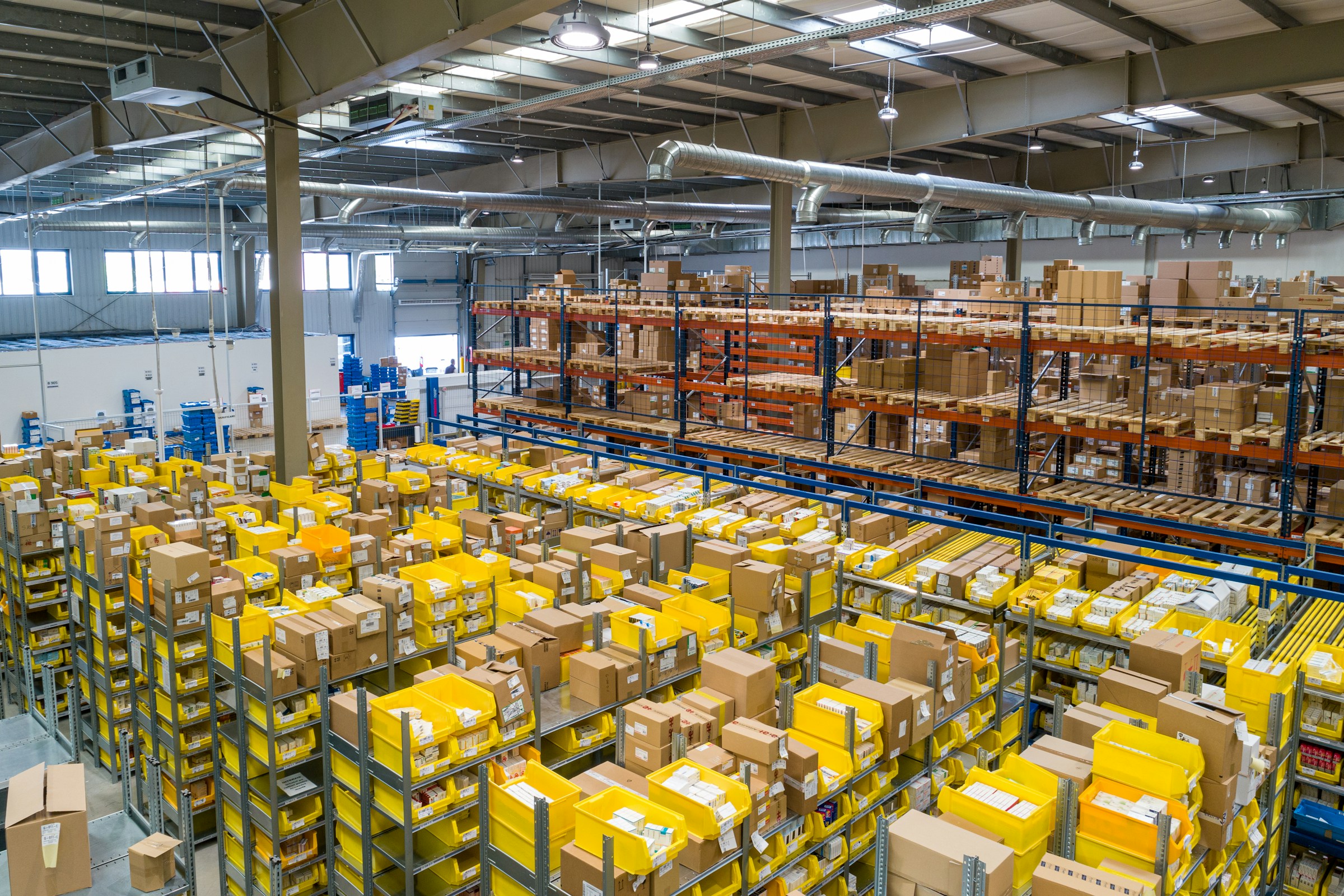
At the beginning of 2026 online marketplaces and the broader e-commerce sector generated approximately 35% of all new demand for warehouse space in Central Asia. These findings were recently unveiled by IBC Global during the Central Asia Warehouse Summit Uzbekistan.
Third-party logistics (3PL) providers and distribution companies ranked second in the market by securing a 28% share of the demand. Meanwhile the delivery requirements of traditional brick-and-mortar shops accounted for a further 18% of newly acquired storage facilities.
The ongoing development of regional logistics infrastructure contributed about 12% to the overall demand. The light industrial sector alongside multi-temperature storage facilities made up the remaining 7%.
During the summit analysts also provided a comprehensive breakdown of the typical costs associated with constructing a new warehouse. Internal engineering networks emerged as the most significant expense by eating up 27.3% of a project’s total budget. This was followed by load-bearing structures at 14.7% and site landscaping at 12.1%.
Other financial outlays required to complete a commercial facility included on-site utility networks (8%), flooring installation (6.1%), enclosing structures (5.5%), external utility connections (4.5%) and roofing (4.2%).