Strait of Hormuz Reopens to Shipping as U.S. and Iran Inch Towards Historic Deal

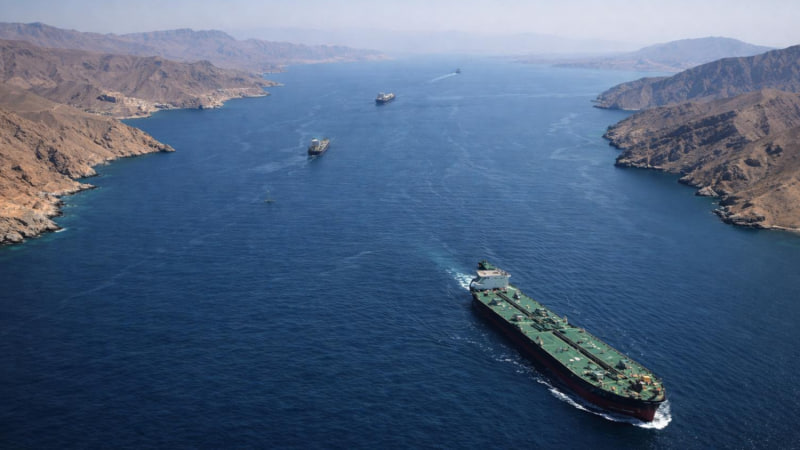
Iranian Foreign Minister Abbas Araqchi has announced the reopening of the Strait of Hormuz following a U.S.-brokered ceasefire in Lebanon, Reuters reports.
The U.S. President Donald Trump expressed optimism that a comprehensive deal to end the war with Iran could be finalised soon.
Taking to social media platform X, Araqchi confirmed the vital waterway is now open to all commercial vessels for the duration of the 10-day truce agreed between Israel and Hezbollah. Shortly after, Trump echoed the announcement on Truth Social, declaring the strait «fully open and ready for passage».
Shipping resumes under a cloud of caution
Despite the positive rhetoric, profound uncertainty remains regarding how smoothly global trade can resume. Trump has insisted that an ongoing U.S. naval blockade targeting ships bound for Iranian ports will remain in place until an agreement with Tehran is completely finalised.
In swift retaliation, Iranian Foreign Ministry spokesperson Esmaeil Baghaei warned that Tehran would enact «necessary reciprocal measures» should the blockade continue.
Vessel tracking data indicates that a flotilla of around 20 container ships, bulk carriers and tankers is already moving through the Gulf towards the strait. However, it remains entirely unclear whether they will be granted safe passage or intercepted.
Shipping companies have cautiously welcomed the news but are demanding urgent clarity regarding the risk of sea mines. The U.S. Navy has warned mariners that the mine threat in the area is not fully understood and advised vessels to consider avoiding the route.
Furthermore, a senior Iranian official stated that ships would only be permitted to pass under the strict coordination of the Islamic Revolutionary Guard Corps. In response to these lingering security concerns, British officials confirmed that over a dozen nations are prepared to form an international maritime protection mission once conditions allow.
Backdoor diplomacy in Islamabad
Behind the scenes, diplomatic efforts are gathering pace. While Trump suggested talks could resume this weekend, diplomats view an immediate summit in Islamabad as logistically challenging. Nevertheless, Pakistani authorities have already deployed troops along routes into the capital in preparation.
A Pakistani source familiar with the mediation reported solid progress in backdoor diplomacy, hinting that an initial memorandum of understanding could be signed shortly and followed by a comprehensive treaty within 60 days. A senior Iranian official also indicated an agreement to unfreeze billions of dollars in Iranian assets is on the table.
The most significant sticking point remains Iran’s nuclear programme. The U.S. has demanded a 20-year suspension of all Iranian nuclear activity and the removal of highly enriched uranium from the country. In contrast, Tehran is pushing for a halt of just three to five years alongside the total lifting of international sanctions.
Trump struck a measured tone in a telephone interview, stating the U.S. would proceed at a «nice leisurely pace» to dismantle nuclear infrastructure. He specifically referenced excavating «nuclear dust», a nod to the aftermath of U.S. and Israeli bombing campaigns on Iranian installations last June.
Despite the progress, significant ideological gaps remain. During Friday prayers, senior cleric Ahmad Khatami delivered a defiant message, declaring that the Iranian people will not negotiate while being humiliated.
A fragile peace in Lebanon
Meanwhile, the U.S.-backed ceasefire between Israel and Lebanon appears to be largely holding. The truce aims to halt a brutal offensive that authorities say has killed nearly 2,300 people since Hezbollah began firing on Israel in support of Tehran on March 2.
Despite the cessation of widespread hostilities, the Lebanese Army has reported isolated Israeli violations. Paramedics confirmed that an Israeli drone strike killed one person in southern Lebanon on Friday, though the Israeli military has not yet commented on the incident.