MAMDANI Act: New Front in the U.S. Immigration Debate

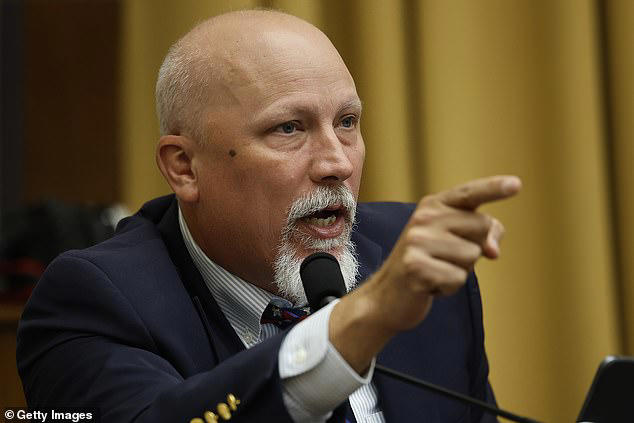
A controversial proposal from Chip Roy is reigniting debate over the intersection of immigration, national security and political freedom in the United States. The Republican lawmaker has introduced the so-called MAMDANI Act — a bill that would dramatically expand the government’s power to exclude or remove non-citizens based on ideological grounds.
A bill aimed at «hostile ideologies»
The proposed legislation, formally titled the Measures Against Marxism’s Dangerous Adherents and Noxious Islamists Act, would allow authorities to deny entry, revoke citizenship, or deport individuals linked to or advocating for Marxist, socialist, communist or Islamist fundamentalist beliefs.
According to Roy, the bill is designed to «close loopholes» in immigration law that, in his view, have allowed the spread of ideologies incompatible with American constitutional values. The proposal also seeks to roll back certain family-based immigration pathways and significantly expand executive authority over immigration enforcement.
One of the most contentious provisions would eliminate judicial review for decisions made under the law, effectively limiting the ability of courts to challenge deportations or denaturalisation orders tied to ideological affiliation.
Echoes of the Cold War — but broader in scope
If passed, the MAMDANI Act would represent one of the most far-reaching ideological filters in modern US immigration policy. While the United States historically restricted entry to communists during the Cold War, Roy’s proposal goes further by targeting not only membership in organisations but also advocacy and belief systems.
Legal analysts say this shift could blur the line between legitimate national security concerns and constitutionally protected expression — particularly when applied to individuals already living in the country.
Sharp divide between supporters and critics
Backers of the bill argue that immigration is a privilege, not a right, and should be contingent on alignment with core national values. Some conservative organisations have framed the proposal as a necessary safeguard against extremist ideologies entering or spreading within the U.S.
Opponents, however, warn that the legislation risks setting a precedent for ideological exclusion. Civil liberties advocates argue that penalising individuals for political or religious beliefs could undermine fundamental protections, including freedom of speech and religion.
Critics are also particularly concerned about the removal of judicial oversight, which they say could concentrate too much power in the executive branch without adequate checks and balances.
Political undertones behind the proposal
The bill’s name points directly to Zohran Mamdani, a high-profile Democratic Socialist and the first Muslim mayor of New York City. Roy has repeatedly criticised Mamdani, accusing him of promoting policies and narratives that, in his view, conflict with American values.
The MAMDANI Act is not the first piece of legislation linked to Mamdani’s name, highlighting how personal political rivalries are increasingly shaping policy debates in Washington.
A defining test for US immigration policy
Whether the bill gains traction or not, it underscores a broader shift in the immigration conversation — from border control and economic impact to ideological alignment.
At its core, the debate raises a difficult question: how far should a country go in screening beliefs, not just actions, when deciding who is allowed to enter — or remain within — its borders?