North Korea Cements Split From South and Formalises Nuclear Stance in Constitution

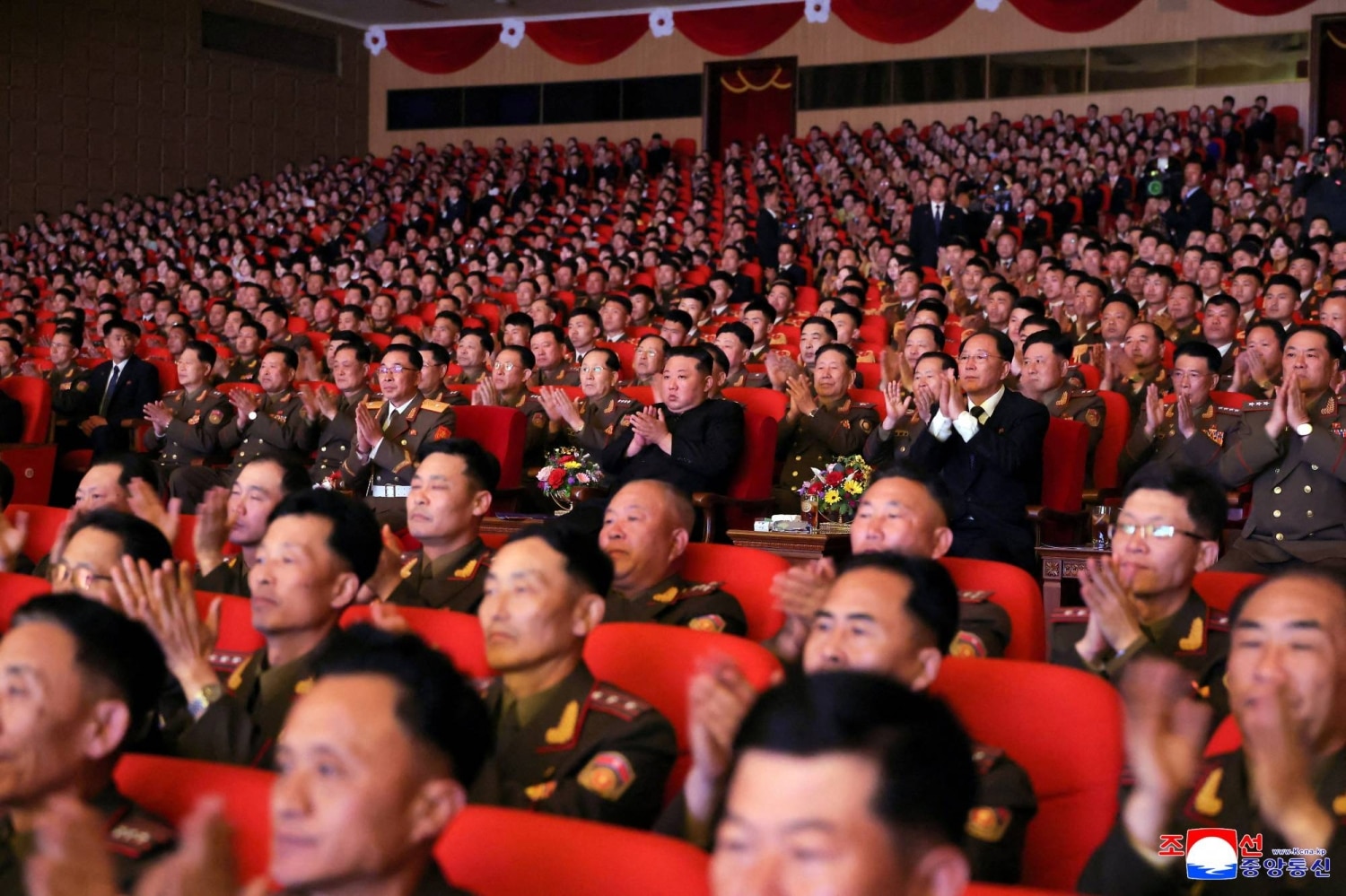
According to a draft text reviewed by Reuters, North Korea has drastically altered its constitution. The sweeping revisions officially abandon any historical ambitions for reunification and formally define South Korea as a distinct, bordering nation. This historic legal shift codifies leader Kim Jong Un’s aggressive drive to treat the two Koreas as completely separate and hostile entities.
A new territorial definition
The constitutional amendments are believed to have been ratified during a March session of the Supreme People’s Assembly. Speaking at a South Korean Unification Ministry briefing on Wednesday, Seoul National University professor Lee Jung-chul noted that this marks the very first time Pyongyang has included a specific territorial clause in its foundational law.
Under the newly minted Article 2, North Korea defines its sovereign territory as land bordering China and the Russian Federation to the north and the Republic of Korea to the south. This sovereign claim also extends to the corresponding airspace and territorial waters.
While the document issues a stern warning that Pyongyang will «never tolerate any infringement» of its land, it notably avoids detailing the exact location of its southern border. It also omits any explicit mention of hotly contested maritime zones like the Yellow Sea’s Northern Limit Line.
According to Professor Lee, this deliberate ambiguity suggests Pyongyang may be trying to avoid an immediate geopolitical flashpoint while still embedding Kim’s «two hostile states» doctrine into state law.
Consolidating power and nuclear authority
Beyond redrawing its borders, the revised constitution significantly elevates Kim Jong Un’s legal standing. In his role as chairman of the State Affairs Commission, Kim is now officially designated as the nation’s head of state. This replaces older phrasing that merely described the position as the supreme leader representing the country.
Crucially, the document explicitly grants the State Affairs Commission chairman absolute command over the military’s nuclear forces. A newly added defence clause frames North Korea as a «responsible nuclear weapons state». It declares that the regime will continue to advance its nuclear capabilities to achieve the following:
- Ensure the nation’s survival and development
- Deter potential wars
- Protect regional and global stability
A deepening divide
This constitutional overhaul aligns directly with demands made by Kim in January 2024, when he called for the law to be updated to label South Korea as the North’s «primary foe and invariable principal enemy».
In recent years, Pyongyang has adopted an increasingly aggressive diplomatic stance towards Seoul. The regime has consistently rejected multiple offers for dialogue from South Korean President Lee Jae Myung, signalling a deepening freeze in relations on the peninsula.
North Korea’s permanent mission to the United Nations has not yet responded to media requests for comment regarding the newly revealed text.