Kambar-Ata 1 HPP to Produce 6 GW of Electricity Annually

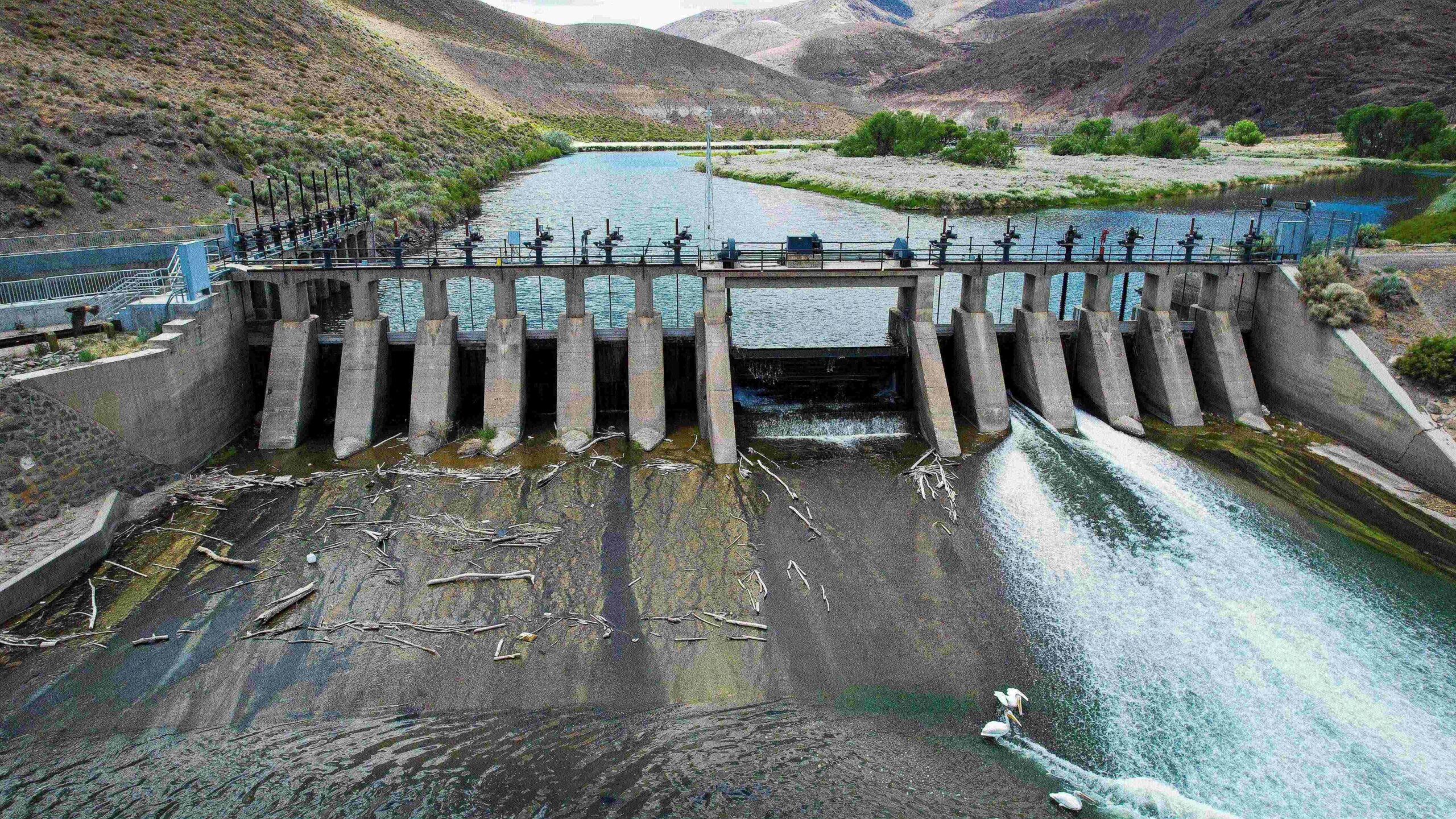
The Eurasian Fund for Stabilisation and Development (EFSD) predicts that the highly anticipated Kambar-Ata 1 hydropower plant (HPP) will produce approximately 6,000 gigawatts of electricity annually. As reported by 24.kg, analysts from the organisation highlighted the Naryn River development as Bishkek’s most significant venture into the hydropower sector to date.
Tackling regional water scarcity
Beyond its massive energy output, the project holds crucial water management implications for the wider region. According to the EFSD report, Central Asia is hurtling towards an incredibly high risk of severe water shortages by the year 2040.
Operating the power station during the winter months presents a vital opportunity to address these environmental challenges. Specifically, winter electricity generation will allow authorities to optimise regional water usage, mitigate the threat of seasonal flooding and safeguard the existing cascade of hydroelectric facilities along the river.
Funding the mega-project
Financial momentum for the ambitious infrastructure project has been building steadily. In the autumn of 2024, it was revealed that the Kyrgyz government and the World Bank had directed $1 bn towards the plant’s construction. Additional financial backing includes a reported $13 mln injection, alongside a proposed $150 mln package from the Asian Development Bank (ADB).
Last October, Uzbekistan’s Minister of Energy Jurabek Mirzamahmudov estimated the total construction cost for Kambar-Ata 1 at $4.2 bn. The minister noted that the massive infrastructure undertaking will not require the forced relocation or resettlement of local residents.
A tri-nation initiative
The Kambar-Ata 1 project represents a major collaborative effort across Central Asia. Ownership and investment responsibilities are divided among three neighbouring nations:
- Kyrgyzstan: 34% stake
- Uzbekistan: 33% stake
- Kazakhstan: 33% stake
Under this cooperative agreement, all three participating countries will be entitled to purchase the generated electricity in direct proportion to their respective ownership shares.