WHO Warns of Rising Toll as Suspected Ebola Cases Hit 600 in Central Africa

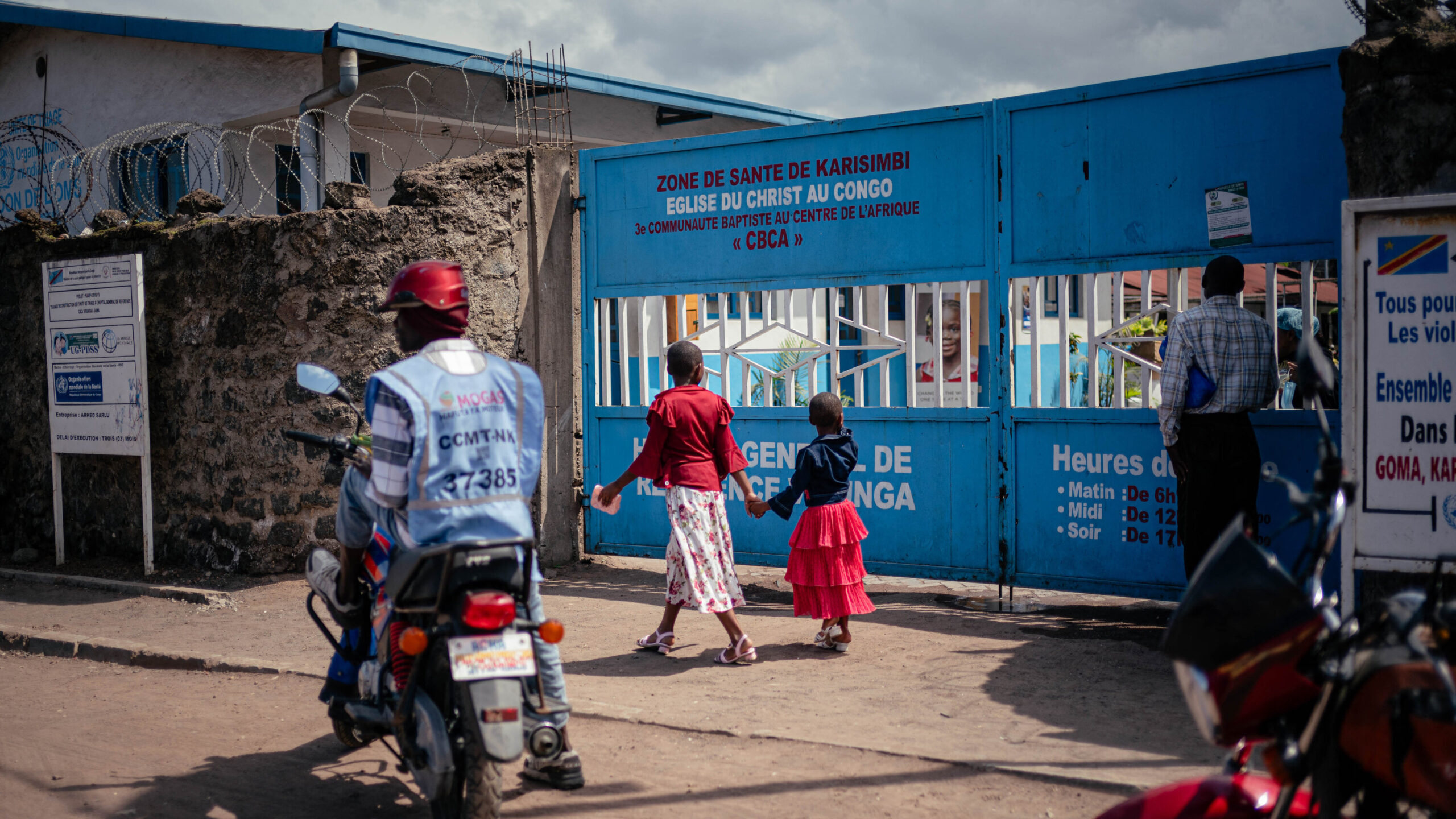
The World Health Organisation (WHO) has announced that suspected Ebola infections have reached 600, with 139 potential fatalities recorded, BBC reports. Health officials warn these figures are likely to climb due to the time required to accurately detect the virus.
Dr Tedros Adhanom Ghebreyesus, the WHO chief, confirmed on Wednesday that 51 cases have been officially verified in the Democratic Republic of Congo alongside two in neighbouring Uganda. Addressing reporters in Geneva, he indicated that the spread of the rare Bundibugyo strain probably began several months ago.
While the WHO declared the situation a public health emergency of international concern on Sunday, it has firmly stated that the outbreak has not reached pandemic status. Following a committee meeting on Tuesday, Ghebreyesus noted that the epidemic poses a high risk at both national and regional levels but remains a low threat globally.
The 51 verified cases in DR Congo are concentrated in the North Kivu region and the eastern Ituri province, which currently serves as the epicentre. Meanwhile, the two infections identified in the Ugandan capital of Kampala involve individuals who had recently travelled from DR Congo.
True scale might be greater
Despite the current verified numbers, the WHO chief acknowledged that the true scale of the crisis in DR Congo is undoubtedly far greater.
The index case has been identified as a nurse who died on April 24 in Bunia, the provincial capital of Ituri. The deceased was later taken to Mongwalu, a gold-mining town that has since become one of the primary hotspots for the disease.
The outbreak has heavily impacted four specific areas within Ituri: Mongwalu, Bunia, Rwampara and Nyakunde. In North Kivu, infections have been detected in Butembo and the rebel-held city of Goma, which is the largest urban centre in eastern DR Congo.
This marks the 17th Ebola outbreak to hit DR Congo. However, the re-emergence of the Bundibugyo strain presents unique medical challenges as it has not been detected in over a decade. Historically, this specific species has only been responsible for two prior outbreaks and carried a mortality rate of roughly one-third.
Currently, there is no officially approved vaccine designed to combat the Bundibugyo virus, though experimental alternatives are being developed. Health experts remain hopeful that vaccines used against the Zaire strain, which the country has battled on multiple occasions, might provide a degree of cross-protection for the affected populations.
From economics and politics to business, technology and culture, Kursiv Uzbekistan brings you key news and in-depth analysis from Uzbekistan and around the world. To stay up to date and get the latest stories in real time, follow our Telegram channel.