“Tomorrow the War Began”: June 22 1941 and Uzbekistan’s Contribution to Victory

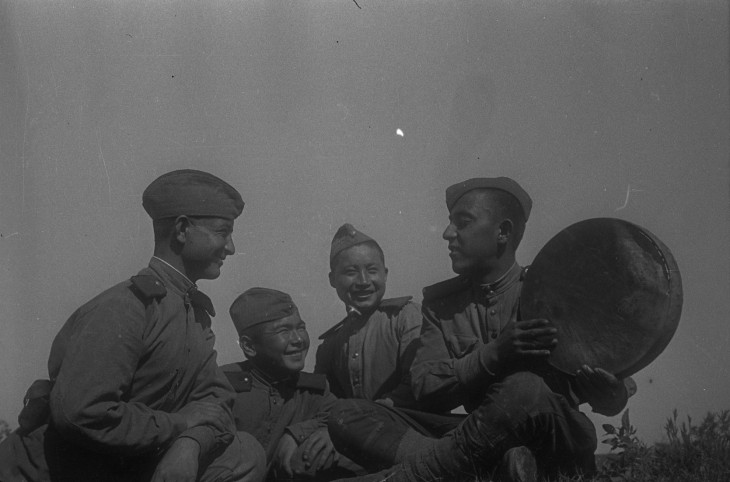
On June 22, 1941, Nazi Germany launched Operation Barbarossa, invading the Soviet Union and opening one of the deadliest chapters in human history. For millions of Soviet citizens, the war began before dawn. For Uzbekistan, then part of the USSR, it marked the start of a national ordeal that would touch nearly every family.
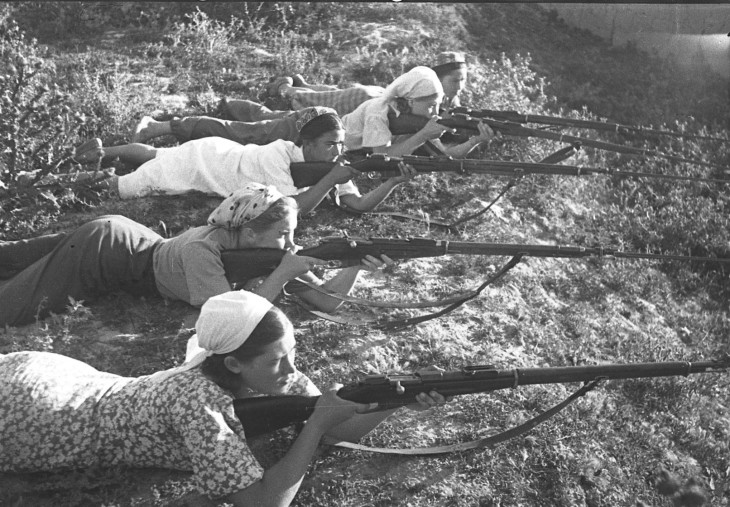
Although the fighting never reached Uzbek soil, the republic played a crucial role on both the front lines and the home front. More than 1.5 mln people from Uzbekistan were mobilized into the Red Army from a population of about 6.5 mln. Hundreds of thousands never returned. According to official estimates, around 420,000 Uzbekistani soldiers were killed, while many more were wounded or went missing.
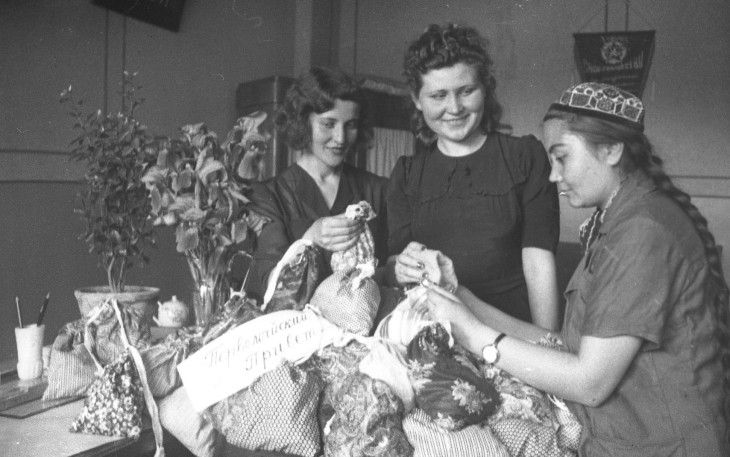
Uzbekistan also became one of the Soviet Union’s most important rear bases. Factories evacuated from the western regions of the USSR were relocated to Tashkent and other cities, helping maintain military production. The republic welcomed more than 1.5 mln evacuees, including around 250,000 orphaned children who had fled the advancing German forces.
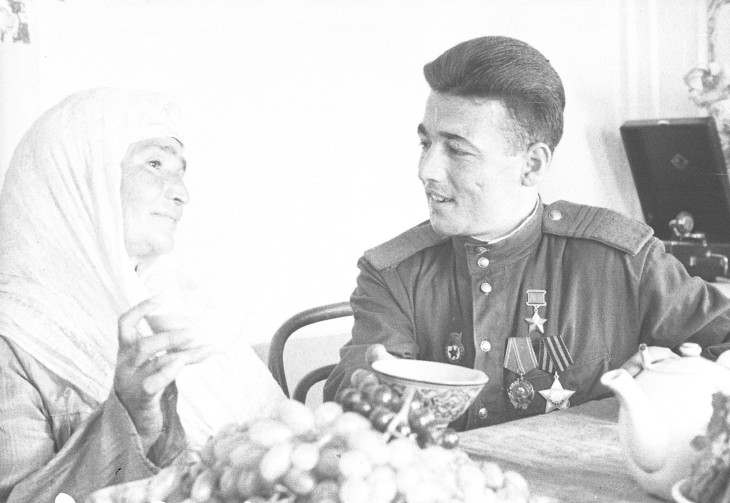
The courage of Uzbek soldiers was recognised throughout the war. Hundreds received the title of Hero of the Soviet Union and other military honours for bravery on the battlefield. At the same time, millions of civilians worked in agriculture, industry and logistics to support the war effort.
Today, June 22 is remembered across the former Soviet Union as the Day of Remembrance and Sorrow. In Uzbekistan, it remains a moment to honour those who fought, those who never returned, and those who helped secure victory through sacrifice and resilience.
Soldiers from Uzbekistan received some of the Soviet Union’s highest military honours during World War II.
- More than 300 natives of Uzbekistan were awarded the title Hero of the Soviet Union (the USSR’s highest distinction for bravery).
- Many thousands of Uzbek servicemen also received military decorations such as the Order of Lenin, the Order of the Red Banner, the Order of the Patriotic War, the Order of Glory, and other combat awards.
- Several Uzbek soldiers became widely known throughout the Soviet Union for their heroism.
Among the most famous were:
- Sobir Rahimov — a major general who commanded troops during the liberation of Poland and died from wounds in 1945. He became one of the most celebrated military figures associated with Uzbekistan.
- Mamadali Topvoldiyev — recognised for exceptional courage on the front.
