Musk Claims SpaceX Value Will Surpass Earth as Money Loses Meaning

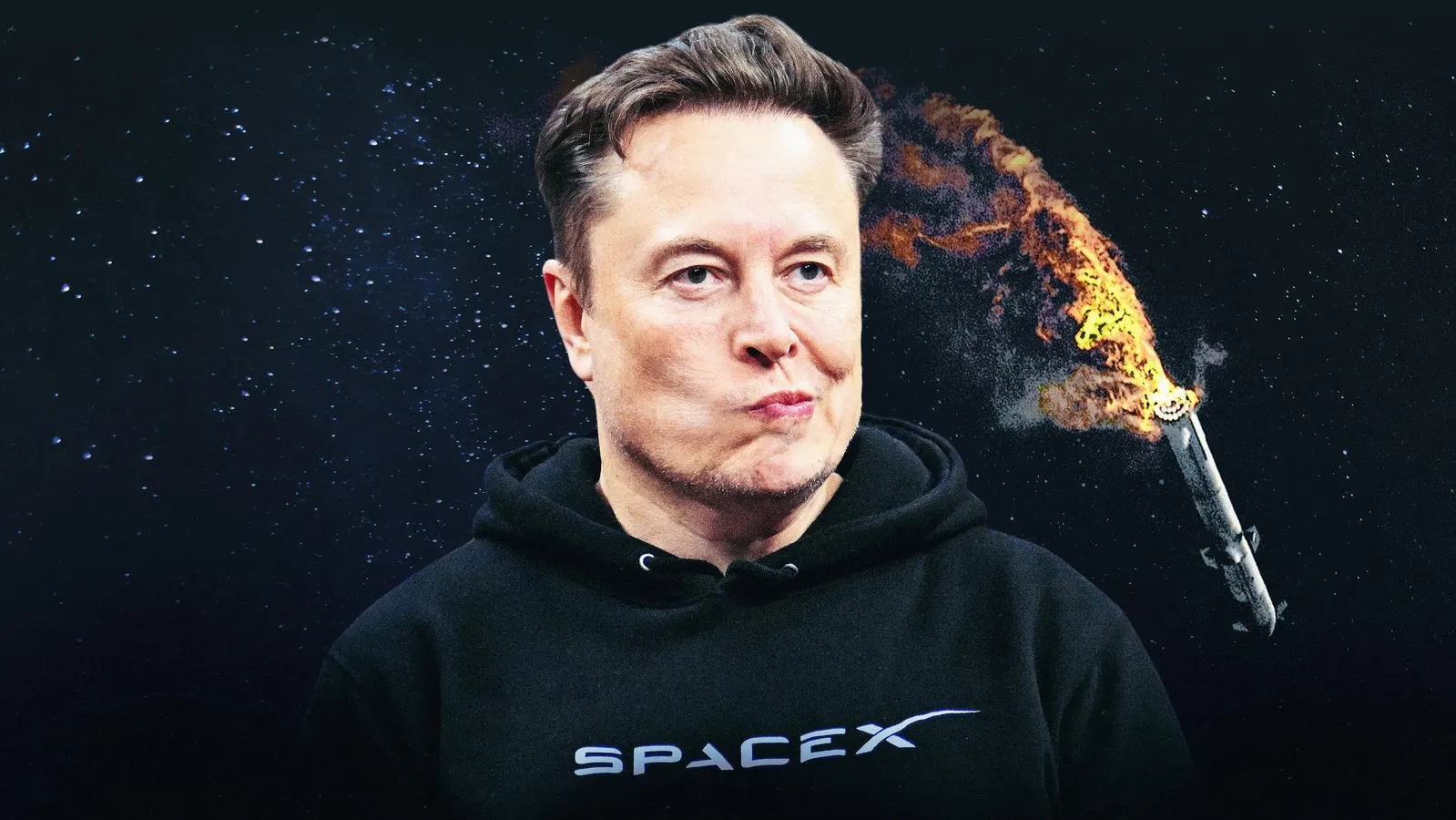
Elon Musk envisions a future where SpaceX surpasses the total value of Earth, despite his concurrent belief that traditional currency will eventually become obsolete.
The billionaire articulated this extraordinary valuation on July 9 while responding to questions on social media platform X regarding a multibillion-dollar artificial intelligence compute partnership with Anthropic. Musk stated that if SpaceX achieves its objectives, the firm will be worth more than the rest of the planet.
This bold claim follows the company’s historic June 2026 initial public offering. While SpaceX briefly saw its market capitalisation surge past $2 trln following its public debut, Musk’s projections extend far beyond near-term stock performance. He anticipates an era where his aerospace company controls critical human infrastructure.
SpaceX shares experienced significant volatility shortly after the IPO, dropping below the initial $135 offering price by mid-July. Investors expressed concerns regarding lockup expirations and the massive capital expenditure required for unproven AI ventures. However, Musk’s long-term vision remains detached from quarterly earnings reports or temporary market fluctuations.
A post-currency economy driven by AI
During a recent discussion with entrepreneur Peter Diamandis about automation, Musk outlined a scenario where money loses its fundamental purpose. He argued that robotics and AI will eventually generate such a massive surplus of goods and services that output will overwhelm traditional monetary supply, creating persistent deflation.
Diamandis noted the irony of this anti-wealth sentiment coming from the world’s first trillionaire, a status Musk achieved following the SpaceX public listing. Musk simply agreed with the observation.
Space infrastructure over earthly wealth
These seemingly contradictory statements reconcile when examining the company’s long-term operational goals. While Musk downplays the future of currency, he acknowledges that physical constraints like mass and electricity will persist.
This philosophy drives the development of Starmind, a planned constellation of up to one million satellites designed to process AI workloads in orbit. Slated for early prototyping in 2027, the network aims to bypass terrestrial power grid limitations by harnessing unfiltered solar energy in space.
In this context, his valuation claim focuses on dominating future physical infrastructure. By controlling orbital computing capacity, energy access and space logistics, SpaceX aims to command the assets that will define the next economic epoch.
Critics remain sceptical. Ambitious timelines across his corporate portfolio frequently experience delays. Financial analysts also point to previous grand forecasts, such as his 2022 assertion that Tesla would eclipse the combined valuations of Apple and Saudi Aramco.
Whether this orbital infrastructure materialises remains unproven, yet Musk continues to align his companies toward a unified post-currency vision.