Uzbekistan Unveils $600 Mln Plan to Modernise Water Infrastructure

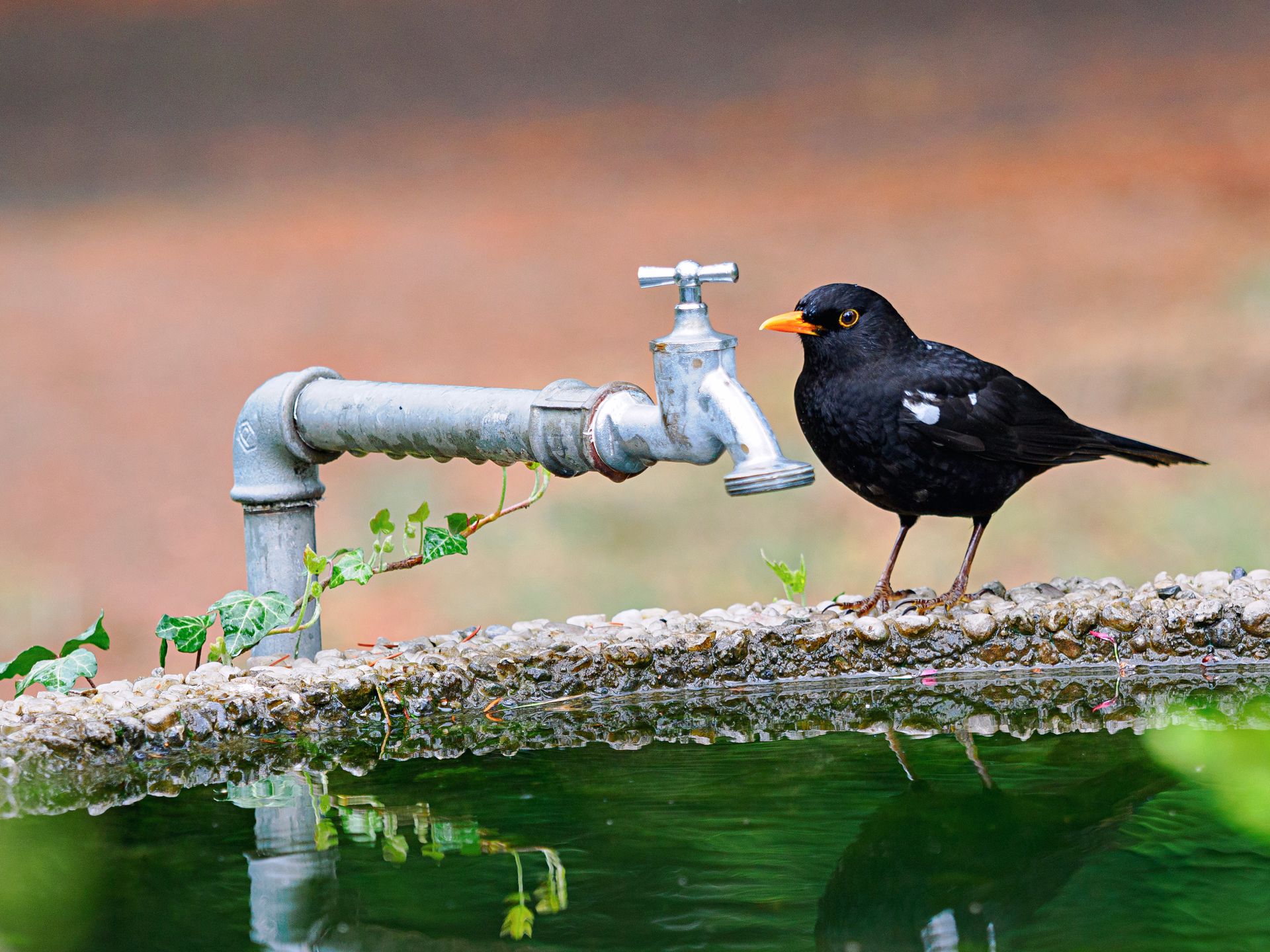
Uzbekistan will launch $600 mln worth of water supply and sanitation projects this year to overhaul municipal infrastructure and expand regional resource access, officials announced during a presidential briefing.
The capital injection will fund the construction of 1,600 kilometres of water pipelines alongside 387 kilometres of sewerage networks nationwide. Planners will also erect 80 distinct water supply facilities and 29 modern wastewater treatment plants. Government estimates indicate these capital works will grant direct drinking water access to 310,000 residents across more than 100 remote mahallas while significantly upgrading supply reliability for an additional 2.5 mln citizens.
During the presentation, President Shavkat Mirziyoyev instructed state agencies to accelerate a $217 mln project harnessing the Gissarak Reservoir. The initiative aims to secure stable drinking water supplies across three administrative districts in the Kashkadarya region alongside the city of Karshi. Furthermore, authorities face a strict September 1 deadline to finalise funding negotiations with international financial partners concerning six separate infrastructure schemes valued at $317 mln.
Tariff Reforms and Digital Overhaul
To ensure long-term economic sustainability, Tashkent plans to restructure how utility tariffs are calculated through a newly established special commission. Beginning next April, uniform pricing for water and sewerage services will take effect across all state-backed organisations in the republic.
National projections indicate that domestic water consumption will surge by 230 mln cubic metres before the decade closes, driven by steady economic expansion and demographic growth. To mitigate severe resource strain, utility operators aim to slash network water losses from the current 35% down to 25%.
Advanced Monitoring
Modernising the municipal grid relies heavily on a comprehensive digital transformation. Consumer billing systems will transition entirely to online platforms, backed by a detailed digital map of pipeline infrastructure equipped with remote telemetry, monitoring and automated payment tracking tools.
These domestic upgrades align with broader ecological stabilisation trends across Central Asia. United Nations experts forecast that Uzbekistan’s water stress level will drop to 117% this year, marking an improvement from the 122% ratio recorded in 2022.
To further curb natural resource depletion, engineering crews will reconstruct more than 380 kilometres of irrigation canals. Additional ecological investments include a targeted $4.6 mln modernisation programme dedicated to upgrading agricultural irrigation systems in the Aral Sea disaster zone.