Threading the Silk Road: What research says about linking Samarkand, Bukhara and Khiva


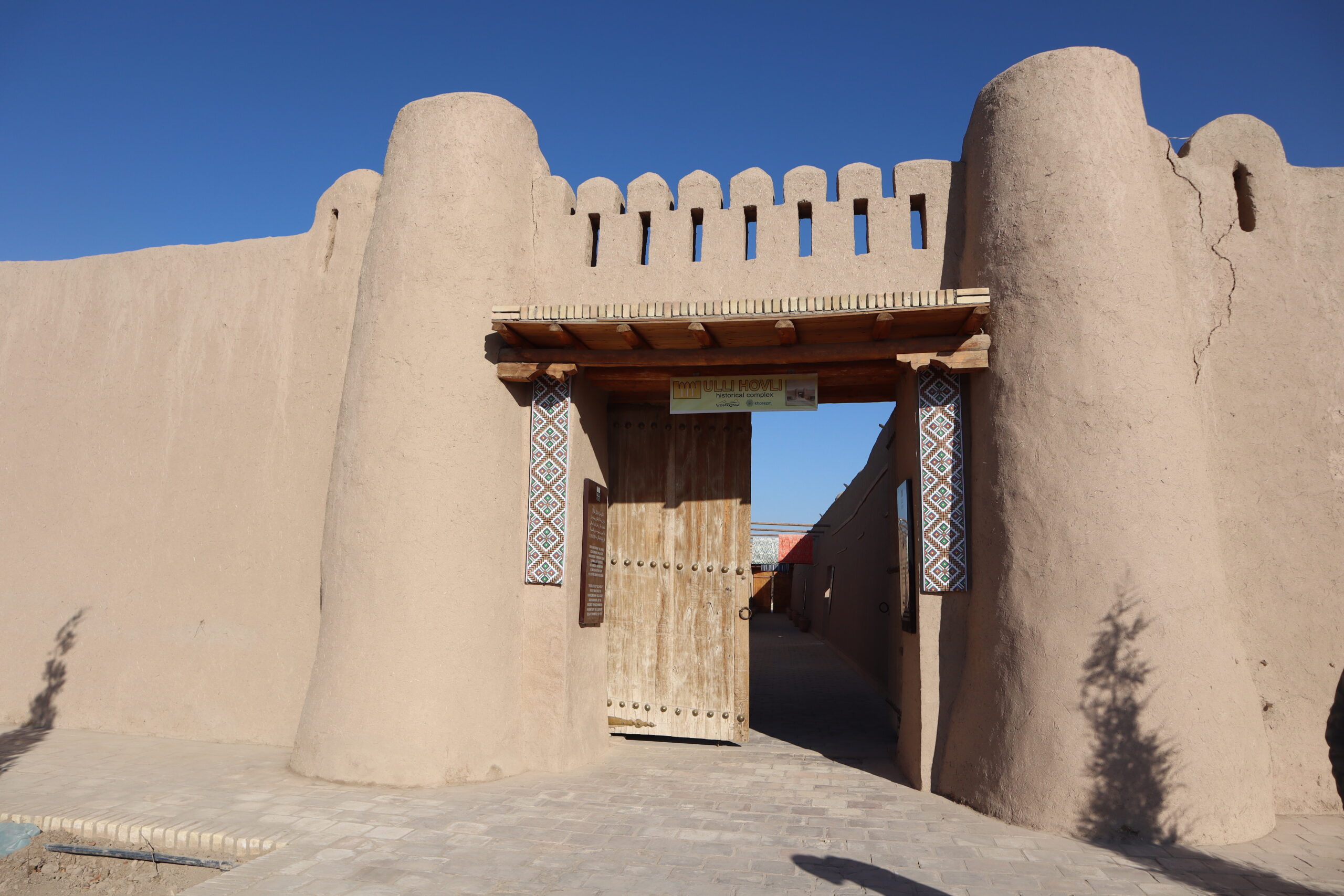
Every year, more travellers step off long-haul flights in Tashkent with one loosely sketched plan: see Samarkand’s turquoise domes, wander Bukhara’s old trading quarters, and stand inside Khiva’s walled Ichan-Qala before it closes for the night. Uzbekistan markets this triangle as the beating heart of the Silk Road, and the numbers back up the appeal. Central Asia now draws well over 15 mln international visitors a year, with Uzbekistan alone accounting for more than 5 mln of them, a figure that keeps climbing as e-visas simplify entry, and the country stays firmly on the world’s must-visit lists.
But turning three famous names on a map into a coherent route, one that actually benefits the towns and villages along the way and not just the headline cities, is a harder problem than it looks. Our research suggests the key question is not whether Samarkand, Bukhara and Khiva can be linked, but how to design that route so it spreads benefits beyond the headline cities. To understand what actually makes such a route work, we recently carried out fieldwork across the region: in-depth interviews with sixteen tourism experts and entrepreneurs, and a structured survey of tourists who had just travelled through Central Asia. The results offer a useful, evidence-based lens for thinking about how to design a Samarkand, Bukhara, Khiva route, and where the current version of it still falls short.
More than a postcard circuit
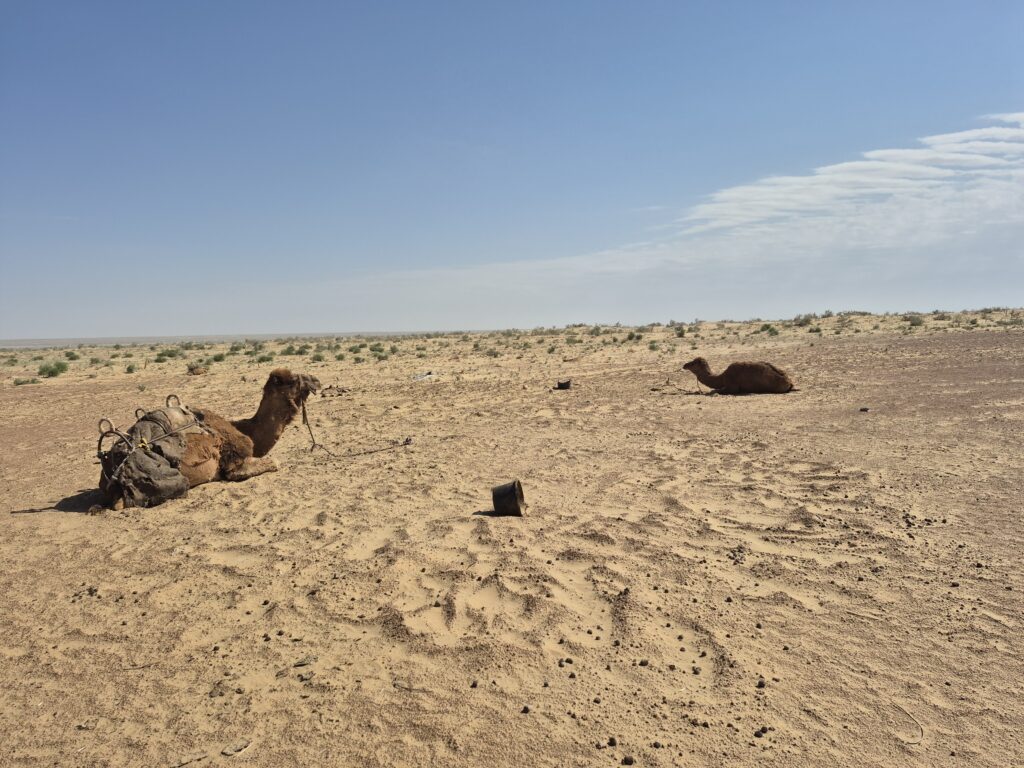
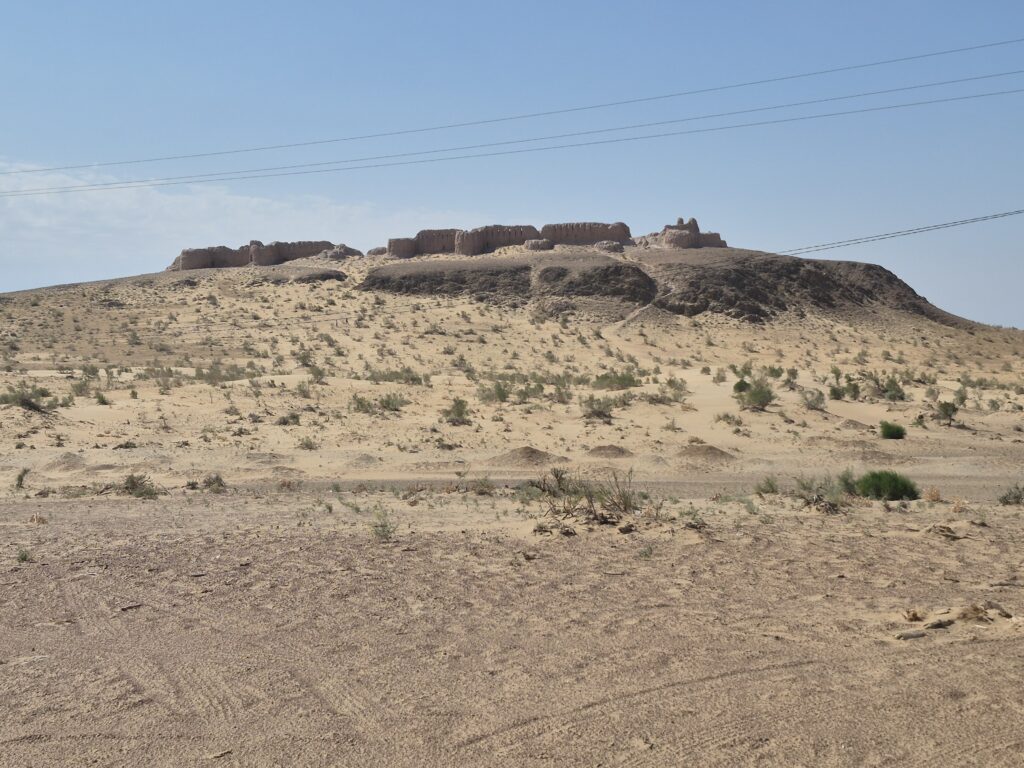
The classic Samarkand, Bukhara and Khiva itinerary is built around monuments: Registan Square, Poi Kalyan, and the minarets and madrasas that photograph beautifully and anchor every guidebook. That is not a bad starting point; heritage sites are what pull first-time visitors into the region. But our fieldwork pointed to something the postcard version tends to underplay: travellers increasingly want the spaces between the monuments, not just the monuments themselves.
In our survey, tourists rated «living like a local» and being offered locally sourced food and drink among the features they valued most, even above some conventional comfort measures. That preference has direct implications for how a route linking Samarkand, Bukhara and Khiva should be designed today. A rigid coach itinerary that transfers visitors from one gated historic site to the next, with meals at hotel restaurants, misses what a growing share of travellers are looking for right now: contact with the community itself, not just its architecture.
The village economy along the way
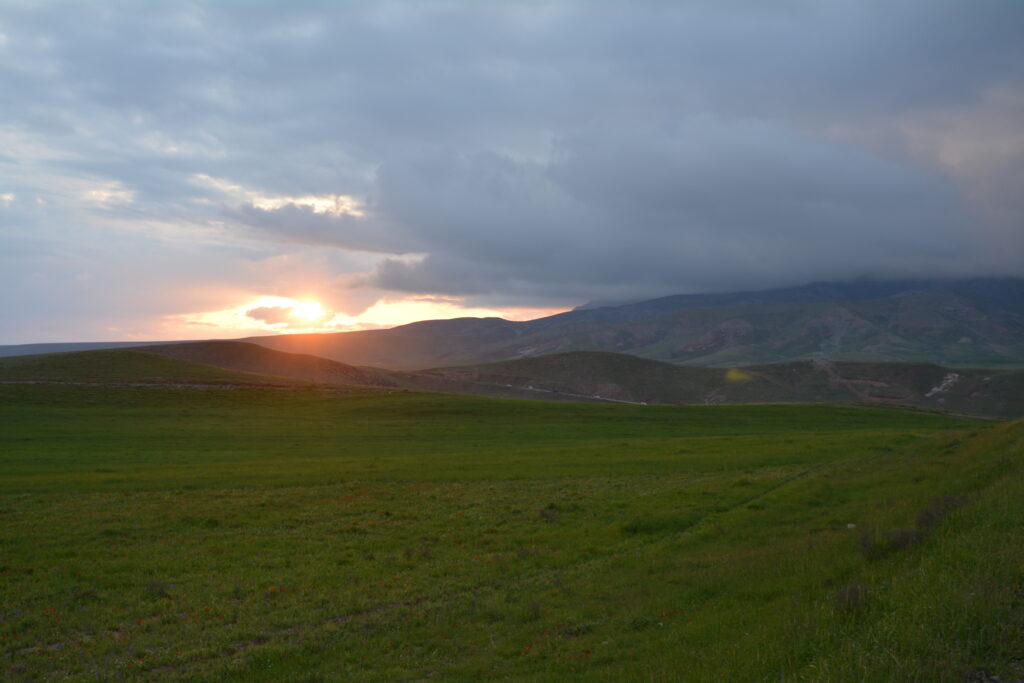
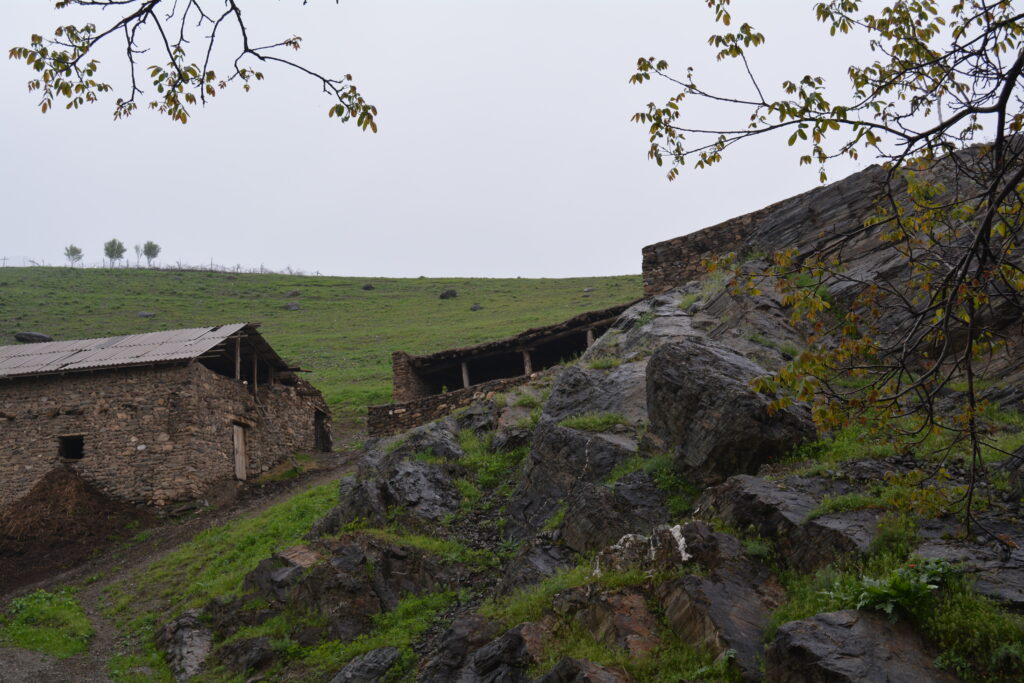
Uzbekistan’s tourism growth has not been confined to the three big names. Regions such as Jizzakh, Surkhandarya, the Fergana Valley, and the wider Khorezm oasis around Khiva have been rapidly developing homestays, agrotourism, and small guesthouses as an entry point into the tourism economy for families who are not running hotels or tour agencies. This matters for route planning because it changes the economic logic of the journey. A route that only connects the three UNESCO-listed cities concentrates income in places that already have it; one that deliberately threads through the villages and family-run guesthouses between them spreads that income further, in places where tourism revenue can meaningfully change household welfare.
This is the model that has proven itself elsewhere in Central Asia. Kyrgyzstan’s community-based tourism association, built with a Swiss development agency two decades ago, now involves more than 1,400 households in villages such as Kochkor and Naryn, with tourists booking homestays, treks and craft demonstrations directly through community networks rather than large operators. A widely cited example is the «Ak Orgo» (White Yurt) workshop in Barskoon village, training younger craftsmen in traditional yurt-building: a project with only ten people directly hired but an estimated thousand-plus community members benefiting from the wider circulation of income and skills. Uzbekistan does not need to copy this model wholesale, but the principle transfers cleanly to a corridor linking Samarkand, Bukhara and Khiva: infrastructure for community hosting, not just monument access, is what turns a transit route into a development corridor.
What the numbers say about sustainability
We found that tourists who already held strong preferences for environmentally responsible travel (caring about resource use, willing to pay more for certified sustainable products) reported significantly higher perceptions of how sustainably Central Asian destinations were being managed. That relationship was statistically robust. What did not hold up, somewhat counterintuitively, was a direct link between wanting to engage with the local community and rating the destination as more sustainable. Tourists who wanted deeper community involvement were not, on average, more impressed by what they found in terms of sustainability management. If anything, the direction of that relationship, while not statistically significant, ran the other way slightly.
Read generously, this is not bad news; it is a diagnostic, and a timely one. It suggests that the desire for authentic, community-embedded travel along a route linking Samarkand, Bukhara and Khiva is already there among today’s visitors. The central issue is that demand alone will not make the route work: it needs a demonstrably sustainable supply to meet that demand, including certified guesthouses, visible environmental practices, and transparent information about where a traveller’s money actually goes once they book a homestay meal or a craft workshop. Interest is not the constraint. Infrastructure and trust-building are.
What operators on the ground say
The tourism entrepreneurs we spoke with, most with well over a decade of experience each, described a consistent set of obstacles that remain live issues today. Bureaucracy came up constantly, particularly among operators in Uzbekistan and Tajikistan, where nearly every expert we interviewed mentioned it as a barrier to starting or scaling a small tourism business, a sharp contrast with Kyrgyzstan, where far fewer cited it as a problem. A shortage of trained guides, hospitality staff and foreign-language speakers was another recurring theme, alongside a broader concern: domestic tourists and local residents often still have only a shallow understanding of what «sustainable tourism» requires in practice, which dampens grassroots enthusiasm for community-run projects even when funding or training is available.
On the positive side, experts were consistently optimistic about tourism’s economic and social spillovers right now, the way a well-run CBT venture can support not just the family running it but the wider network of suppliers, transport, and craft producers around it. The gap they identified was less about willingness and more about capacity: training, financial literacy, easier licensing, and clearer information about grants currently available from government bodies and NGOs, which several operators said they were simply unaware of.
Designing the itinerary differently
Taken together, this new round of research points toward a fairly concrete set of design principles for anyone (a tour operator, a regional tourism board, or an independent traveller) planning a Silk Road route through Samarkand, Bukhara and Khiva today. The central lesson is simple: the route will work better if it moves beyond the three famous cities and into the towns and villages that connect them.
First, build in deliberate stops in the smaller towns and villages along the corridor, not just the three destinations, and route spending toward homestays, family guesthouses and local food producers rather than exclusively international-standard hotels. Second, treat cultural participation as part of the product, not an add-on: cooking a meal, learning a craft, or spending an evening with a host family answers directly to what current survey respondents said they valued most. Third, invest in the unglamorous infrastructure of trust: visible sustainability information, simplified licensing for small operators, and basic hospitality and language training for the people actually hosting travellers, because that is the piece our data suggests is currently lagging behind traveller demand.
None of this requires abandoning the monuments that make the route famous in the first place. Registan Square and the Ichan-Qala are not going anywhere, and they should not be. But the evidence we have just gathered is clear that the next stage of Silk Road tourism in Uzbekistan will be defined less by which sites get restored and more by whether the towns and villages connecting them are woven into the journey, and whether the income travellers bring reaches the communities who make that journey worth taking. That is the central test for the route.
Read also expert opinion how changing profile of foreign business, the Council’s new status and the creation of the Regional Alliance.