Islam Karimov’s Tashkent residence to become public park

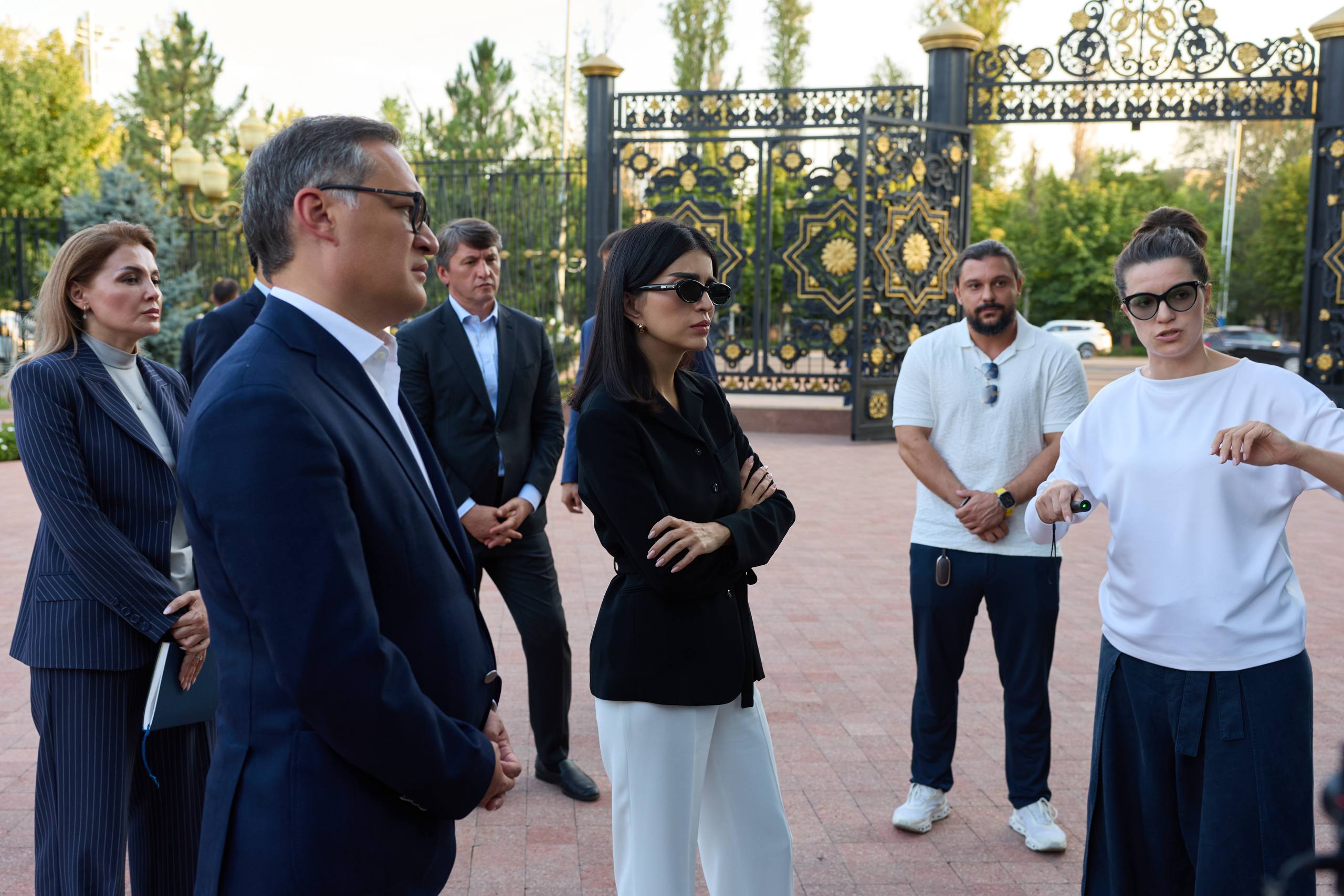
A once heavily-guarded presidential residence will become a public park under sweeping new urban development plans for the Uzbek capital.
The transformation of the restricted site located on Afrosiab Street is part of a broader campaign by local authorities to make Central Asia’s biggest city more livable. Presidential aide Saida Mirziyoyeva announced the initiative on her official Telegram channel, confirming she personally reviewed the reconstruction plans and visited the proposed sites. She noted that the government is urgently prioritising the creation of accessible public spaces to combat a severe shortage of green zones across the rapidly expanding metropolis.
Planners aim to repurpose these previously closed areas to directly serve the local community. The overarching strategy is designed to reinstate Tashkent’s historical reputation as a lush urban centre, providing much-needed spaces for active leisure, outdoor recreation and safe pedestrian movement. By opening up previously inaccessible land, the city intends to fundamentally shift its urban planning approach toward community-focused design.
Expanding established recreational zones
Beyond the high-profile Afrosiab Street project, the city’s modernisation strategy encompasses major pedestrian arteries and established communal areas. Mirziyoyeva detailed recent discussions regarding comprehensive aesthetic and functional upgrades for Sayilgoh Street and the adjacent territories along Amir Temur Avenue.
Furthermore, the government intends to significantly expand both the Babur Ecopark and Mirzo Ulugbek Park. These specific expansions are meticulously planned to better accommodate the growing local population, ensuring that residents have immediate access to nature within an increasingly dense urban environment.
Officials stress that returning the capital to its former green status requires immediate practical action rather than long-term theoretical promises. By focusing heavily on inclusive accessibility, improved public safety protocols and sustainable landscaping, the authorities hope to efficiently utilise the existing municipal infrastructure.
Implementing these environmental initiatives today is viewed as a mandatory step to secure a high standard of living. Project leaders maintain that rapid urbanisation must be balanced with adequate ecological preservation to guarantee the long-term health and wellbeing of all citizens.