Apple delays smart glasses to 2027 to focus on aggressive privacy features

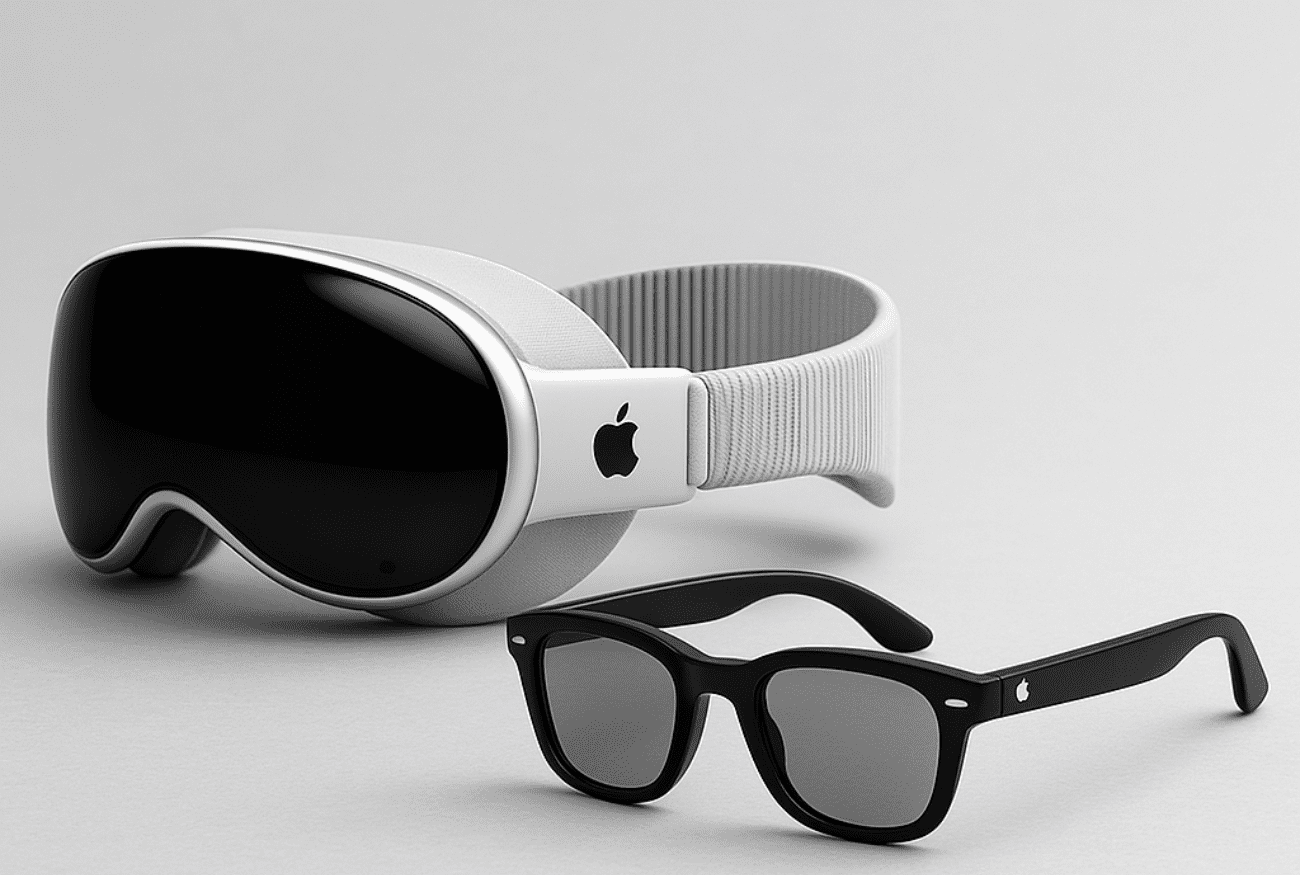
Apple has pushed the debut of its first smart glasses to late 2027 as the technology company refines its strategy to differentiate the wearable from rival products through stringent data protections, Bloomberg reports.
The project, internally codenamed N50, was initially slated for a late 2026 reveal. Bloomberg reported Sunday that Apple now plans to unveil the device at its Worldwide Developers Conference in June 2027 before a retail launch later that autumn. This revised timeline grants engineers additional months to perfect hardware and software while allowing developers adequate time to build compatible applications.
The delay primarily stems from a corporate mandate to establish privacy as a defining commercial advantage. The decision follows intense public scrutiny directed at Meta Platforms, whose Ray-Ban smart glasses have faced a class-action lawsuit and regulatory inquiries over alleged non-consensual filming and data harvesting. A lawsuit filed in California earlier this year accused Meta of routing captured footage overseas for human review despite marketing the product as user-controlled. Furthermore, the UK’s Information Commissioner’s Office recently requested clarification regarding the competitor’s data compliance.
To avoid similar backlash Apple is reportedly prototyping unique safeguards not currently available on existing devices. These include mechanisms that disable recording capabilities if a user tampers with the external indicator light. The company also intends to process data locally on the hardware, abandon facial recognition technology and prohibit external contractors from reviewing audio or image material.
The camera dilemma
Despite the looming release window executives have not finalised the most critical hardware component: the camera.
The manufacturer is evaluating three distinct configurations. The first mirrors the Meta Ray-Bans by offering standard photo and video capture. A second concept limits the optical sensors strictly to feeding information to Siri’s Visual Intelligence system, stripping users of a manual shutter button entirely. The third prototype eliminates cameras completely to eradicate all bystander privacy concerns.
Industry analysts suggest the final retail version will likely include conventional recording capabilities paired with aggressive anti-tampering restrictions. Removing standard photography would eliminate one of the primary features driving consumer interest in the emerging product category.
Targeting the traditional eyewear market
When the N50 eventually reaches store shelves it will lack augmented reality displays inside the lenses. Instead, the device will rely on speakers, microphones and seamless integration with the iPhone to deliver audio notifications and turn-by-turn navigation.
Apple aims to price the glasses between $200 and $500, positioning them to disrupt the traditional eyewear industry rather than solely appealing to technology enthusiasts. By offering multiple frame styles and focusing on everyday wearability the corporation hopes to replicate the mainstream success of the Apple Watch.