Tashkent’s ten Soviet-era modernist landmarks on UNESCO World Heritage list

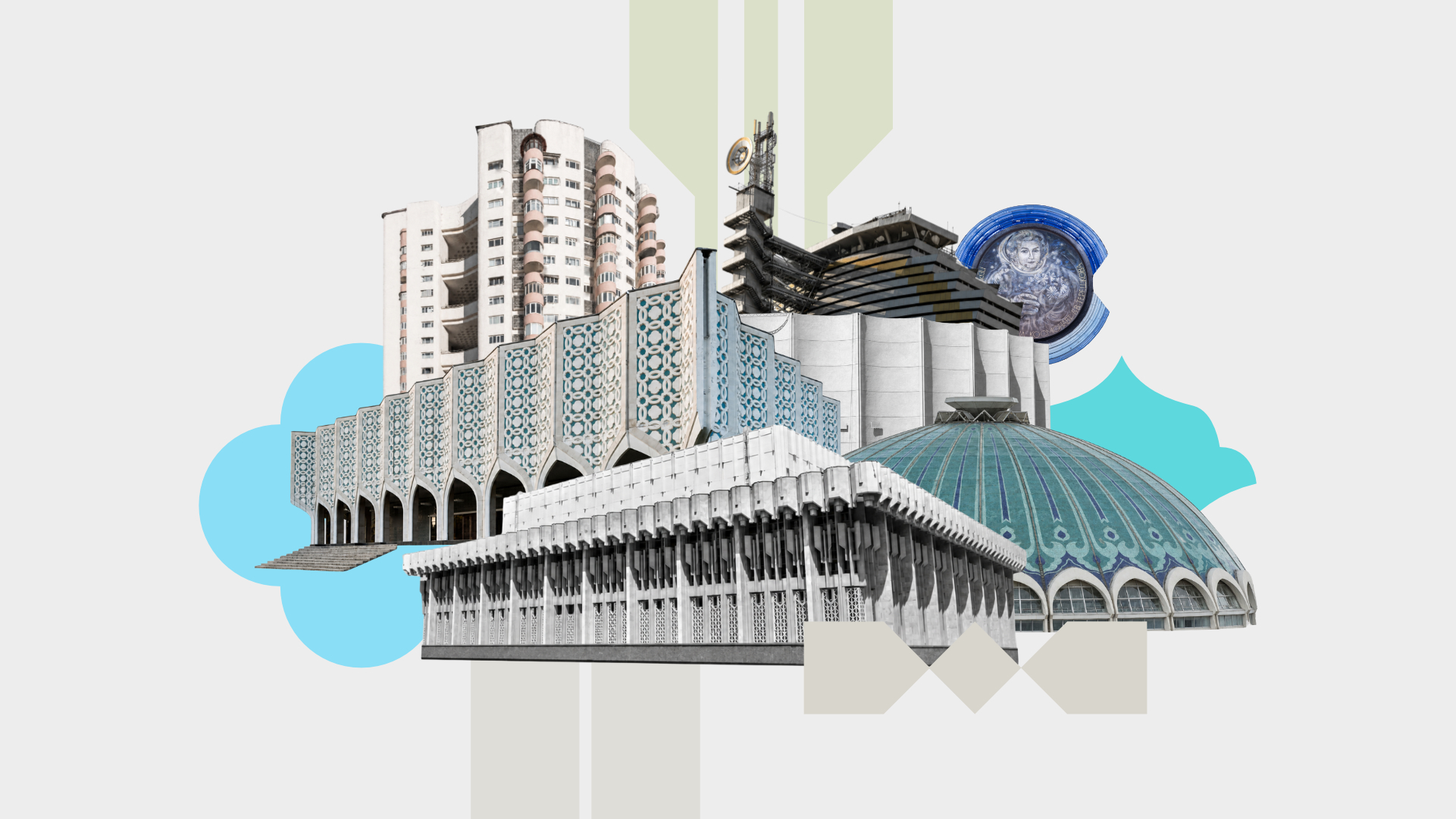
UNESCO has included Tashkent’s modernist buildings in its World Heritage list. Kursiv Uzbekistan explores the iconic landmarks that defined the city’s visual identity for decades.
UNESCO recognised the ensemble for its unique mix of international modernist ideas and Central Asian traditions. The architects used new industrial building methods to make the structures earthquake-resistant. They also adjusted standard designs to use local materials that work well in the region’s climate.
The nomination includes ten buildings constructed in and around Uzbekistan’s capital city of Tashkent between the 1960s and early 1990s. The ten buildings were part of a major urban reconstruction campaign that followed the 1966 Tashkent earthquake. Planners redesigned the city centre and placed nine of the ten buildings along new main roads.
Uzbekistan has seven other sites that UNESCO has already recognised as World Heritage.
The ten landmarks
Zhemchug, «Pearl» residential building
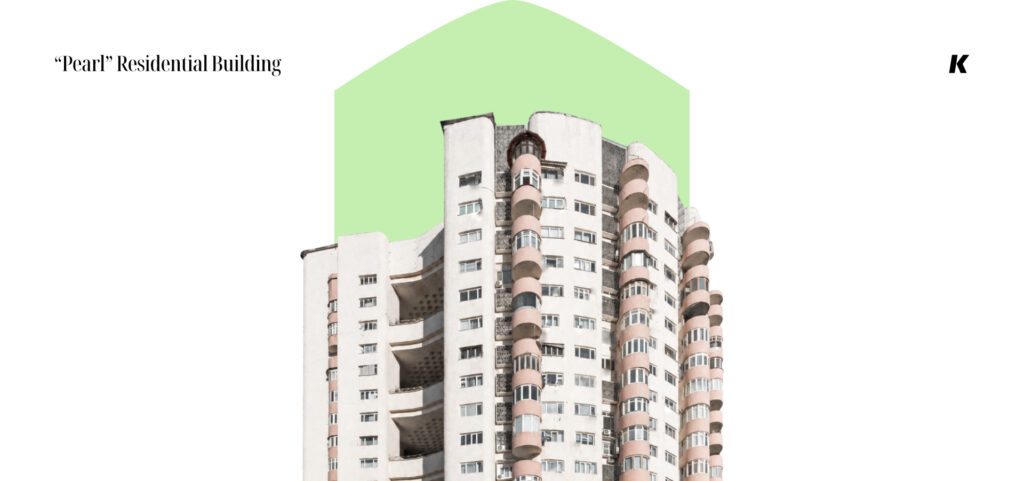
The Zhemchug residential building is an experimental 16-storey monolithic structure erected in 1985. Designed by architect Ofeliya Aydinova, the complex features integrated internal terraces that span three floors and connect the building’s two wings, functioning as vertical communal spaces inspired by traditional mahallas. The rounded layout promotes natural airflow which is essential in the local climate.
State Museum of History of Uzbekistan
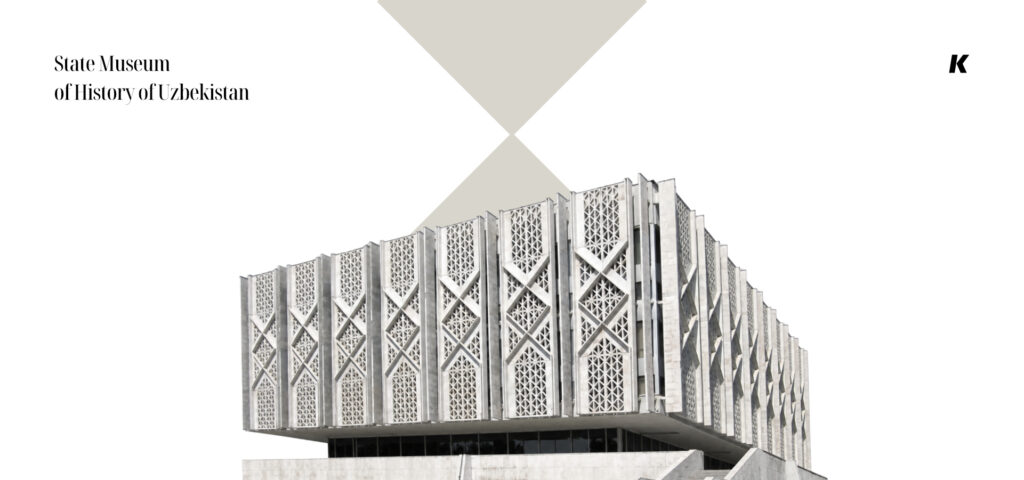
The State Museum of History of Uzbekistan, originally named the Lenin Museum, opened in 1970. Architects Yevgeny Rozanov and Vsevolod Shestopalov designed the striking modernist structure which remains a definitive example of Soviet architecture in the region.
People’s Friendship Palace
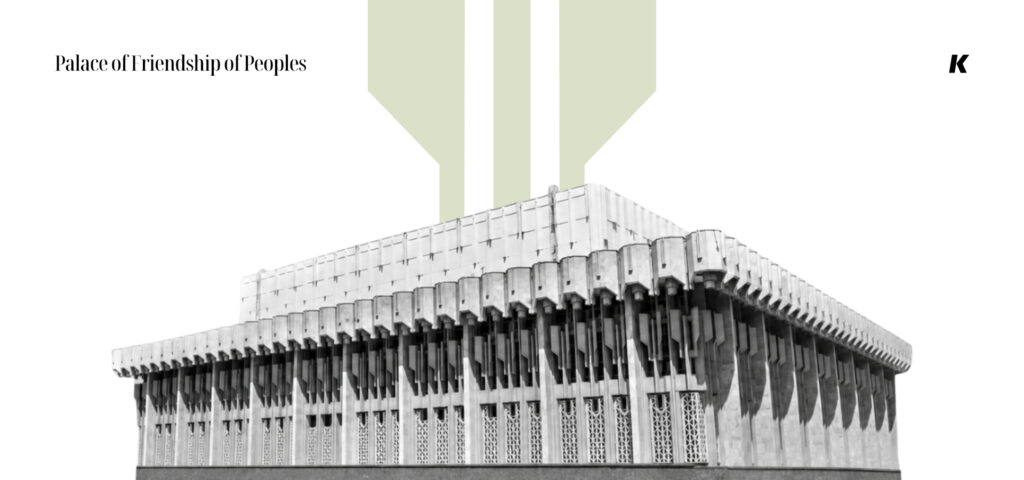
The People’s Friendship Palace opened its doors in 1981 to provide seating for up to 6,000 people. Named to honour the volunteers who helped rebuild Tashkent after the earthquake, the concert hall features a symmetrical layout and interiors richly decorated with Florentine mosaics.
State Museum of Arts
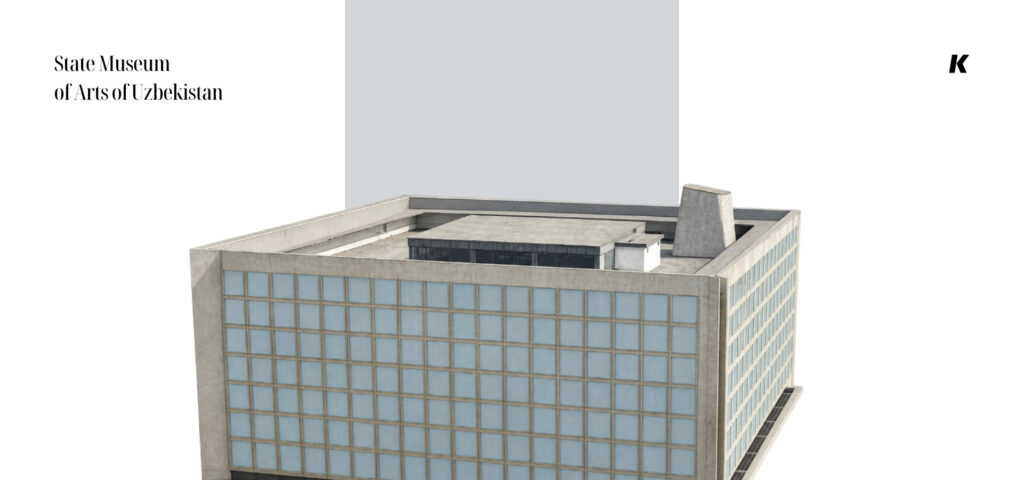
The State Museum of Arts of Uzbekistan occupies a square modernist building constructed in 1974. The structure is lined with aluminium and features stivite glazing which provides even, diffuse lighting for the interior galleries containing works by Uzbek, Russian and Western European artists.
State Circus of Tashkent
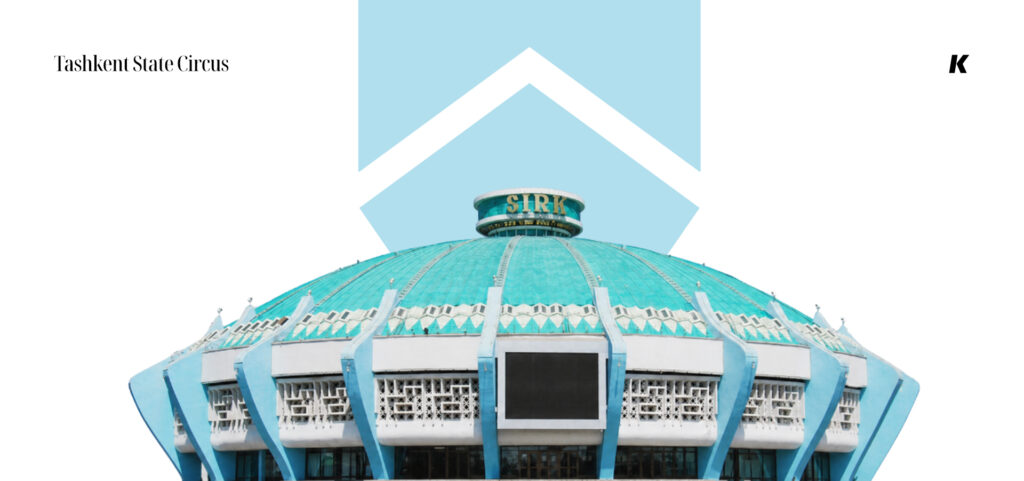
The State Circus of Tashkent, completed in 1976, features a distinctive bright blue dome that dominates Khadra Square. The circular venue integrates oriental motifs into its design through intricate wood carvings, bright stained glass windows and ceramic mosaics.
Central Exhibition Hall
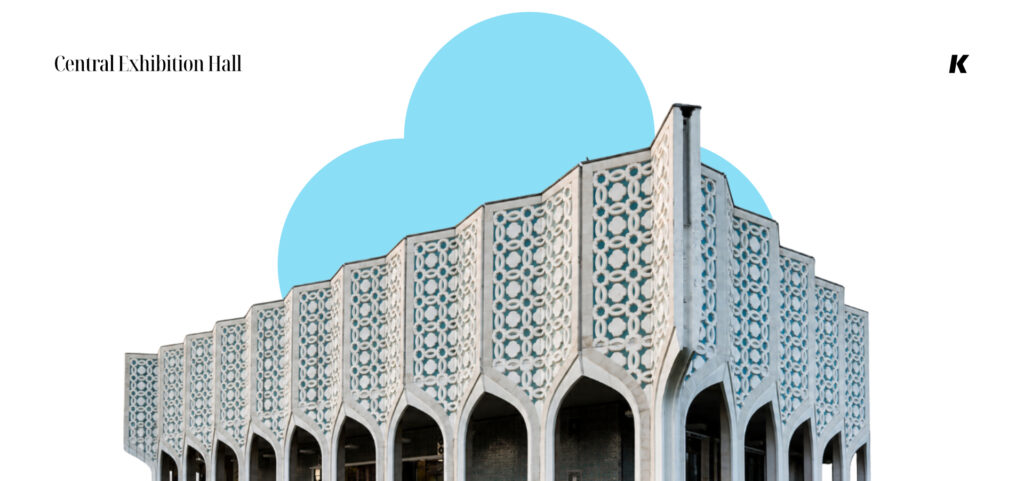
The Central Exhibition Hall of the Academy of Arts, opened in 1974, provides 2,500 square metres of display space. The structure utilises framing arches that form stylised cotton bolls and a unique ceiling with semicircular skylights that block direct sunlight while illuminating the interior.
Alisher Navoi Cinema Palace
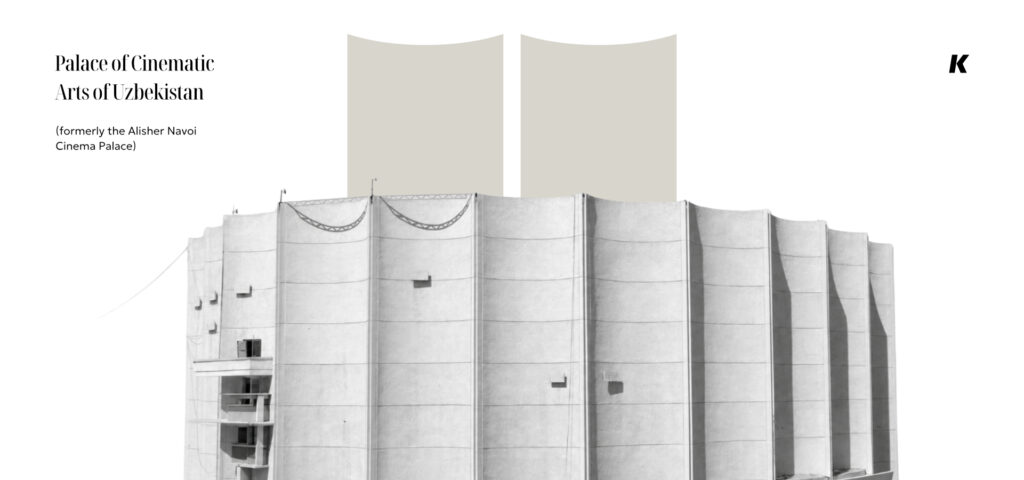
The Alisher Navoi Cinema Palace, affectionately known locally as «Panoramic,» features a massive cylindrical auditorium built from vertically arranged concrete rings. Completed in 1964 and built to withstand seismic activity, the 2,300-seat venue boasted one of the largest cinema screens in Central Asia.
Chorsu Bazaar
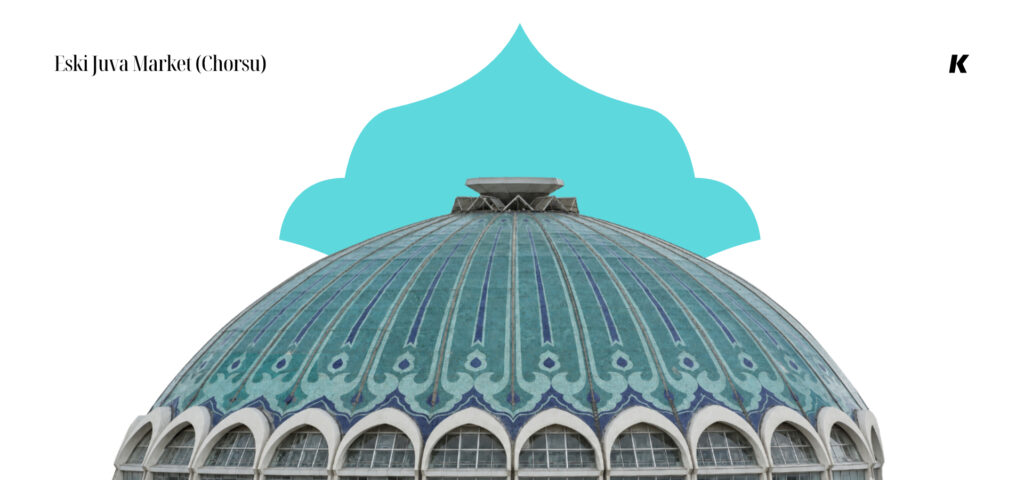
Chorsu Bazaar operates in the heart of the Old Town under a massive blue dome spanning 80 metres in diameter. Constructed after the 1966 earthquake, the sprawling marketplace integrates multiple smaller domes and terraces, blending traditional Central Asian design elements with concrete socialist modernism.
Kosmonavtlar metro station
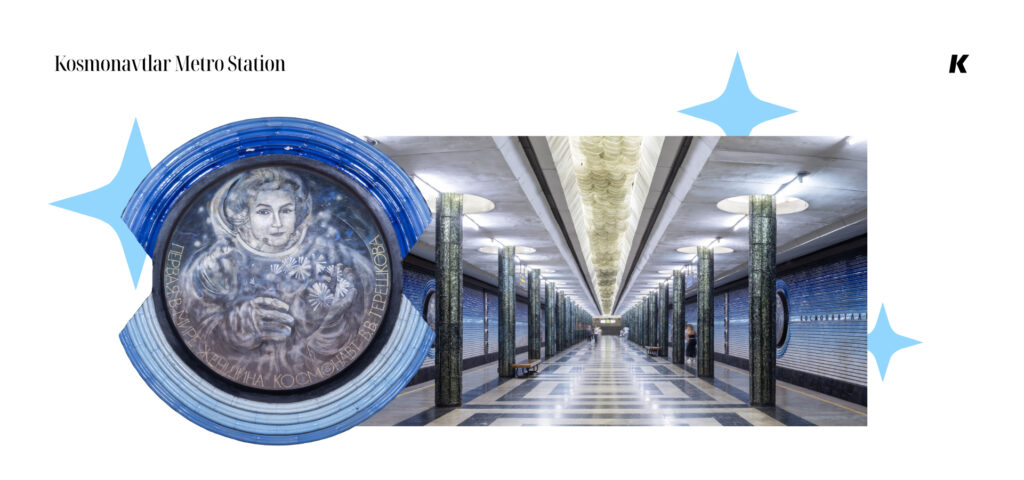
Kosmonavtlar metro station opened in 1984 as a subterranean tribute to the Soviet space programme. The station features glass stars on the ceiling resembling the Milky Way, alongside blue ceramic medallions depicting legendary figures such as Yuri Gagarin, Valentina Tereshkova and the 15th-century astronomer Ulugbek.
Sun Heliocomplex
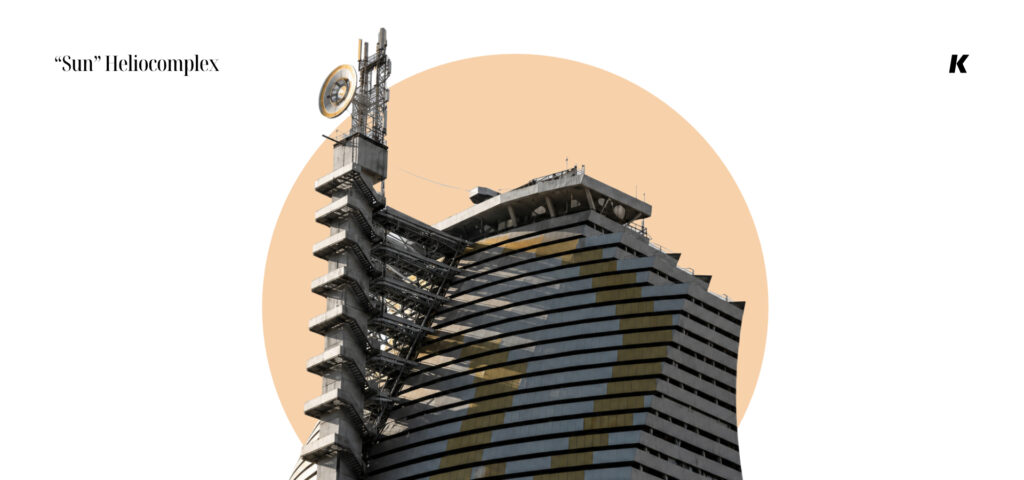
The Sun Heliocomplex, located 50 kilometres outside Tashkent in the Tien Shan foothills, was built in the 1980s for high-energy physics research. The sprawling futuristic laboratory features a massive parabolic concentrator with 10,700 mirrors that focuses solar energy to reach temperatures exceeding 3,000 degrees Celsius.
Looking ahead to future preservation
Saida Mirziyoyeva, the presidential chief of staff, called the inscription a major victory for Uzbekistan and a vital step towards preserving the nation’s heritage for future generations.
The Busan summit running through July 29 also facilitated talks on future Uzbek cultural initiatives. Gayane Umerova, chairperson of the Uzbekistan Art and Culture Development Foundation and the National Commission for UNESCO, held strategic discussions with UNESCO World Heritage Centre Director Lazare Eloundou Assomo.
The officials reviewed upcoming joint conservation projects including the ongoing restoration of the Poi Kalyan Complex and the creation of an open-air archaeological museum in Bukhara’s Shakhristan area. They also outlined preparatory work for nominating the Zaamin Mountains for future consideration.