Uzbekistan doubles trade with EDB member states to hit $19.3 bn

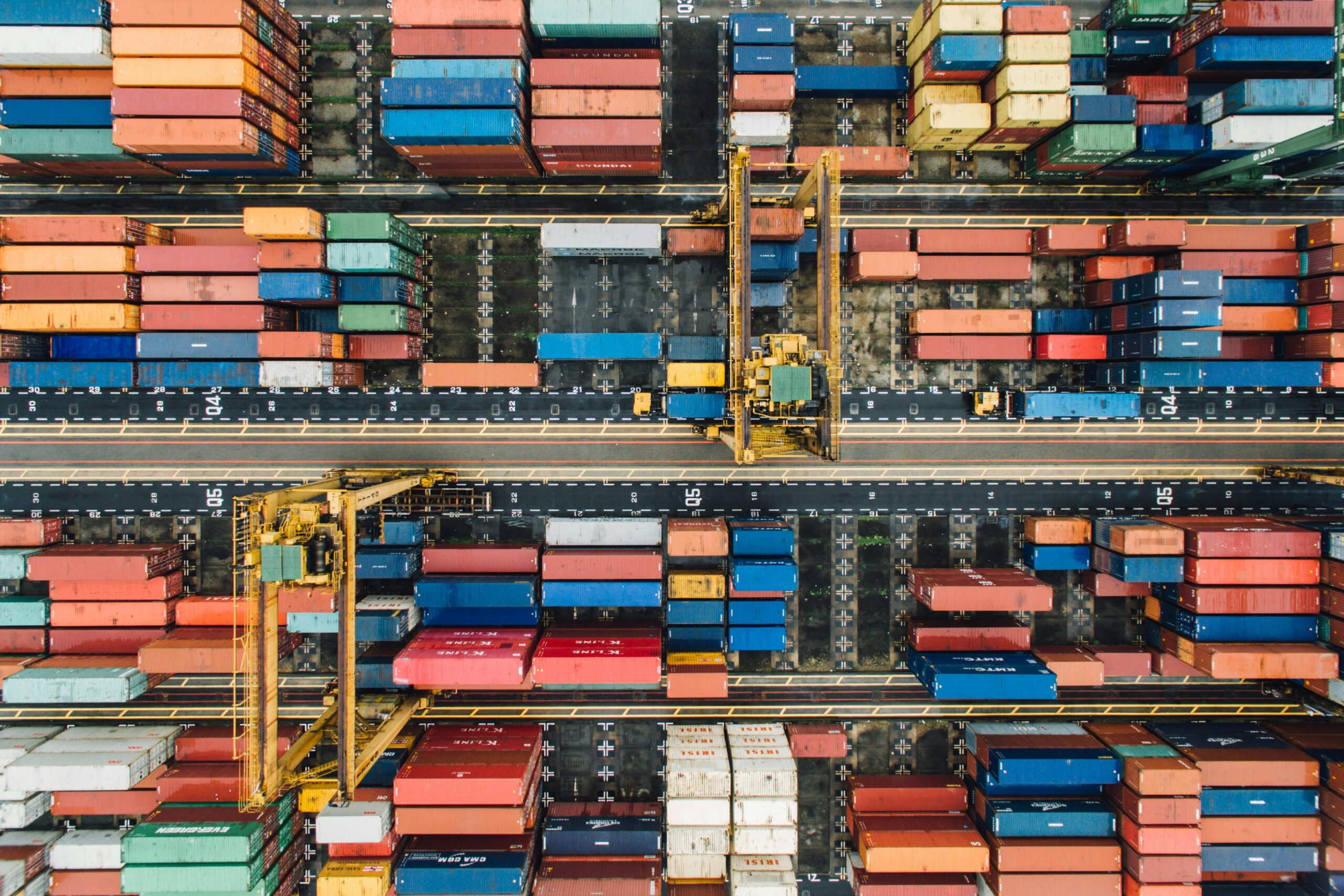
Uzbekistan has doubled its commercial exchange with Eurasian Development Bank member states over a five-year period, with overall trade turnover climbing to $19.3 bn by the close of 2025.
Following its official accession as the multilateral lender’s seventh member state last year, Tashkent has integrated deeper into the financial institution’s regional framework. The bank launched full-scale operations inside the country in 2026, actively deploying investment capital and forging industrial partnerships across multiple sectors.
Commercial exchanges with the bloc currently account for nearly 30% of the republic’s total external merchandise trade, surging by roughly $10 bn since 2020 on the back of upgraded transport corridors, streamlined logistics and enhanced manufacturing cooperation. Alongside Armenia, Belarus, Kazakhstan, Kyrgyzstan, Russia and Tajikistan, the republic continues to leverage this membership to diversify its foreign economic policy.
Core trade partners and commodity flows
Moscow and Astana remain the central pillars of this economic corridor, commanding approximately 85% of Uzbekistan’s aggregate turnover within the multilateral grouping. Russian bilateral commerce reached $11.7 bn in 2025, while trade exchanges with Kazakhstan stood at $4.7 bn. Regional cooperation scales down through secondary partner states, recording $1.1 bn with Kyrgyzstan, $0.9 bn with Belarus, $0.8 bn with Tajikistan and $40 mln with Armenia.
Geographers and economists note that shared infrastructure networks and historical supply chains anchor these robust commercial flows. To sustain domestic manufacturing output, Tashkent primarily imports critical resources from member nations including petroleum products, ferrous metals, timber, grain and specialized metallurgical goods. In return, the Central Asian republic supplies regional markets with finished apparel, fresh fruit, nuts, raw cotton fibre, greenhouse vegetables and high-demand automotive components.