The other Seven Wonders: Uzbekistan’s UNESCO sites beyond Soviet modernism

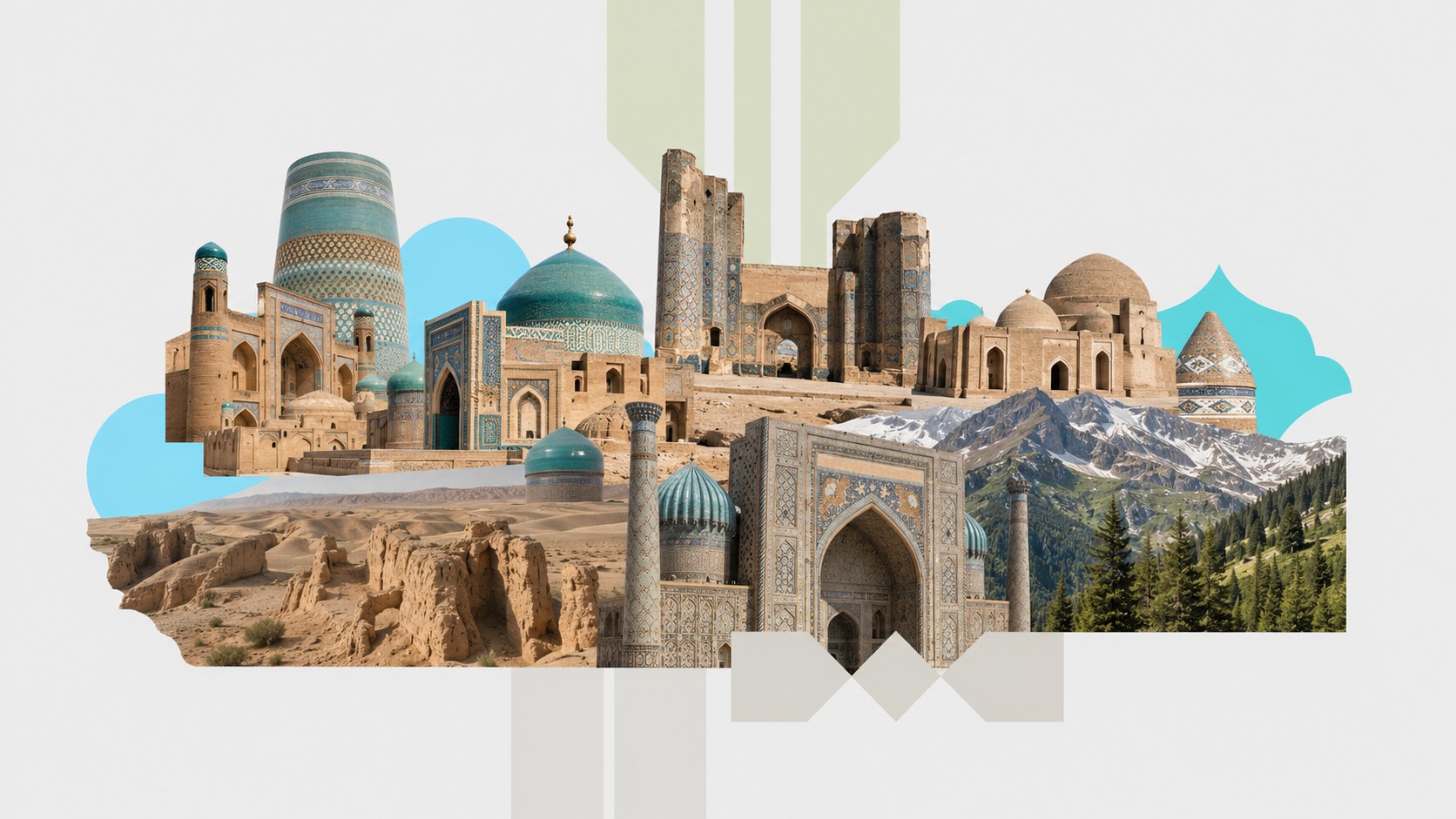
The Soviet-era modernist buildings in Tashkent, on the UNESCO World Heritage list since 2026, join the good company of must-sees already inscribed by the organisation. From the serene inner city of Khiva to the breathtaking views of Tien Shan, Kursiv Uzbekistan looks at the other seven places that continue to captivate visitors from all around the globe.
On July 26, UNESCO added ten modernist architectural landmarks in and around Tashkent to its World Heritage List. This decision was made during the 48th session of the World Heritage Committee in Busan, South Korea.
Impressive as they are, the modernist buildings are just one chapter in Uzbekistan’s UNESCO story. Over the years, seven other extraordinary sites have earned this recognition.
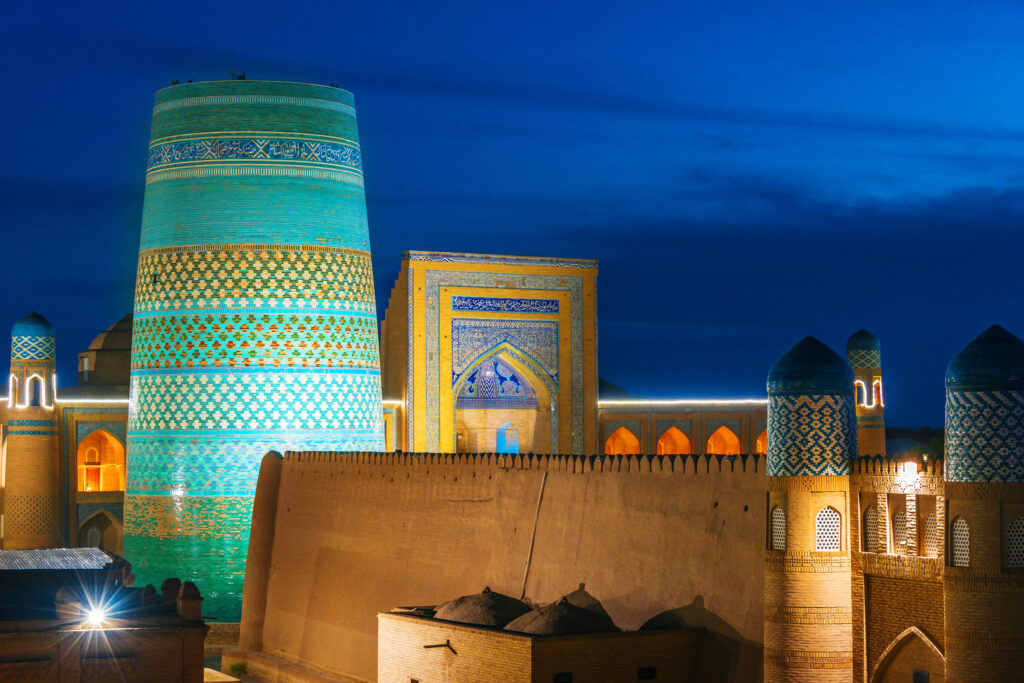
Itchan-Kala (inscribed in 1990)
Itchan-Kala, the walled inner city of Khiva, is a well-preserved oasis with a history that goes back over 2,000 years. UNESCO says the site offers «exceptional testimony to the lost civilisations of Khorezm.»
Itchan-Kala is surrounded by tall mud-brick walls and features some of Central Asia’s best examples of Islamic architecture. Highlights include the Kunya-Ark fortress, the unfinished Kalta Minor minaret, the Islam Khoja minaret, the Tash-Hauli Palace, and the Juma Mosque.
Historic centre of Bukhara (inscribed in 1993)
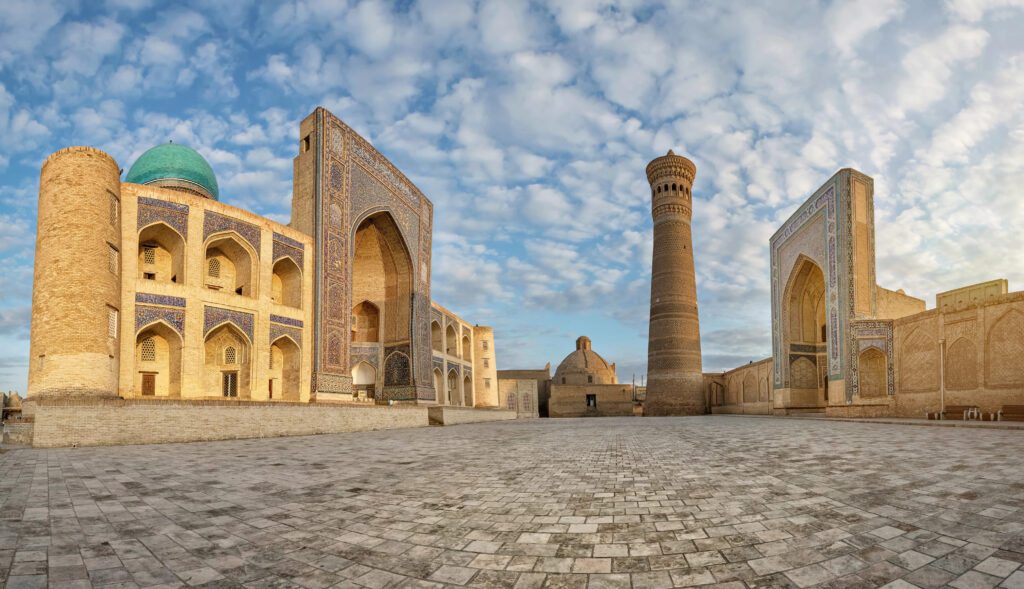
The historic centre of Bukhara is described as «the most complete and unspoiled example of a medieval Central Asian town which has preserved its urban fabric to the present day.»
Some of Bukhara’s main architectural highlights include the Ismail Samani Mausoleum, the Poi-Kalyan complex, the Ark Fortress, the Magoki-Attori Mosque, and the Lyabi-Hauz ensemble. These sites show Bukhara’s long history as a centre of trade, learning and religion.
Historic centre of Shakhrisabz (inscribed in 2000)
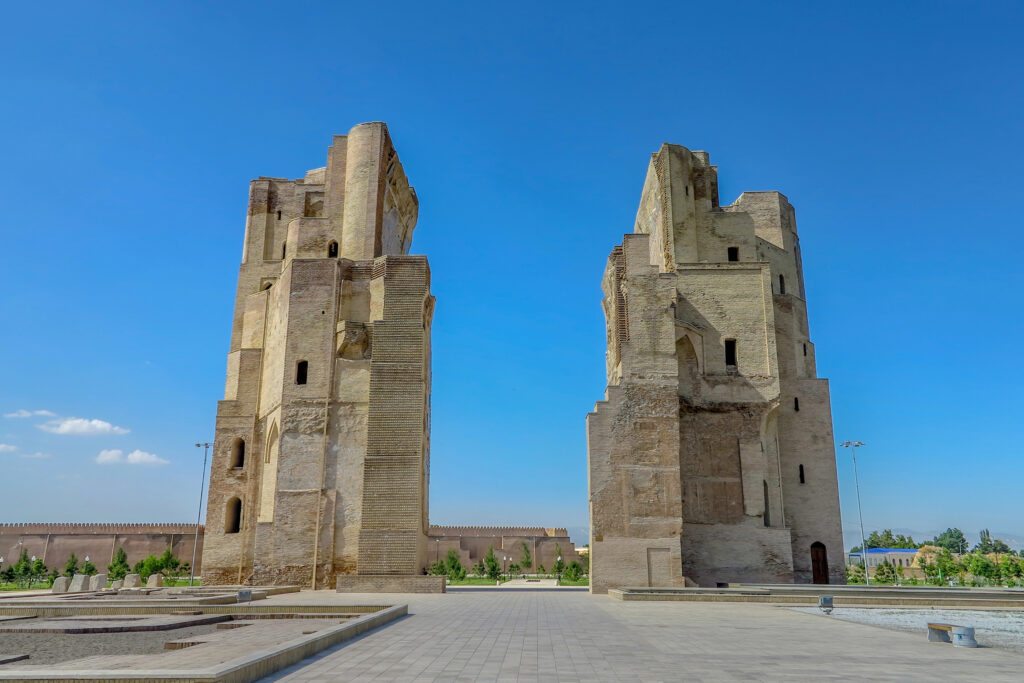
Shakhrisabz is famous for its medieval monuments connected to the legacy of Amir Timur, also called Tamerlane in the West. The city has the remains of his grand Ak-Saray Palace, the Dorus Saodat memorial complex, and several historic mausoleums, mosques, and traditional neighbourhoods that show its importance during the Timurid era.
UNESCO describes these as «outstanding examples of a style which had a profound influence on the architecture of this region.»
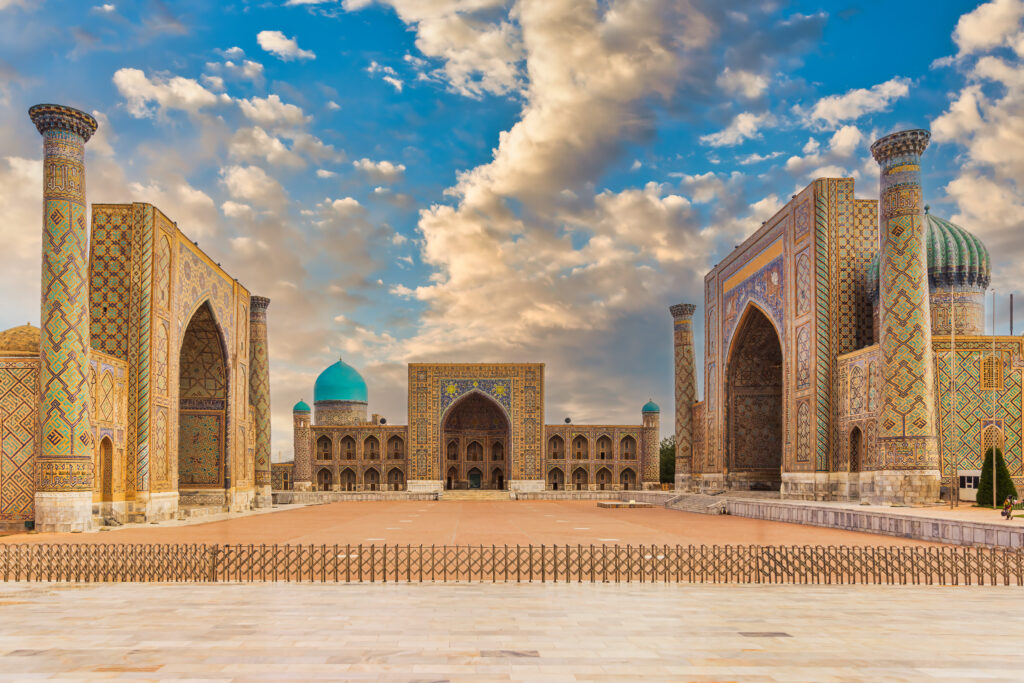
Samarkand (inscribed in 2001)
Samarkand is one of the world’s oldest cities and a key site of Silk Road civilisation. Its most famous landmarks include Registan Square with its three large madrasas, the Gur-e-Amir Mausoleum where Amir Timur is buried, the Shah-i-Zinda necropolis, the Bibi-Khanym Mosque, and the remains of the Ulugh Beg Observatory, which was once a leading centre of astronomy.
Experts from the organisation called these sites «masterpieces of Islamic cultural creativity.»
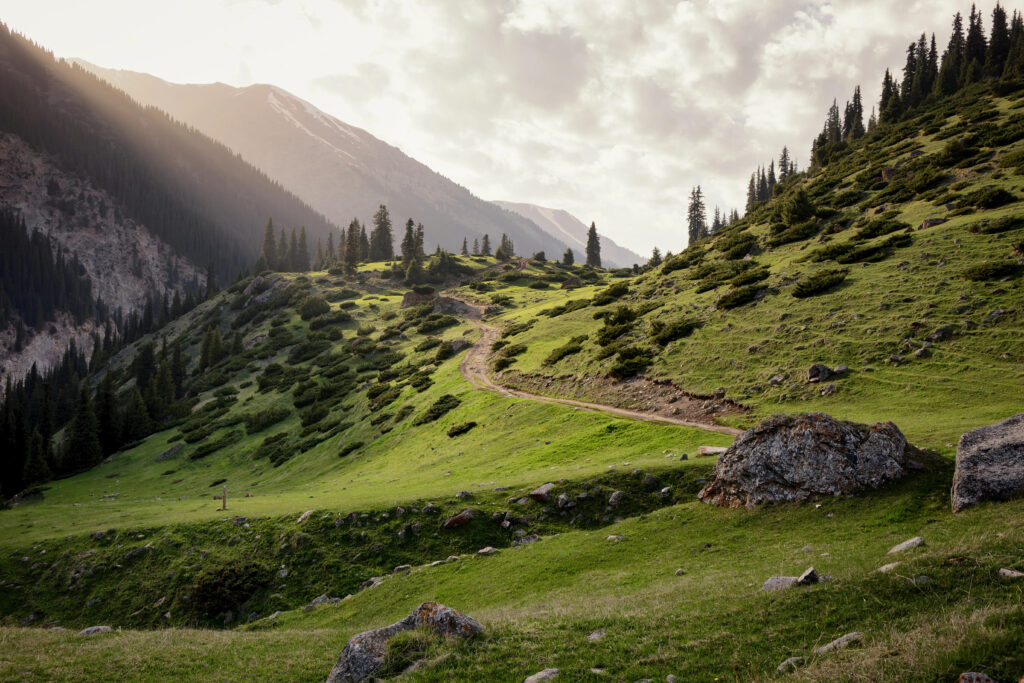
Western Tien Shan (inscribed in 2016)
The Western Tien Shan is a transboundary UNESCO World Heritage site shared by Uzbekistan, Kazakhstan and Kyrgyzstan.
In Uzbekistan, this protected area covers the Chatkal Nature Reserve and parts of Ugam-Chatkal National Park. These places are known for their rich biodiversity, mountain scenery, and habitats for many rare plants and animals.
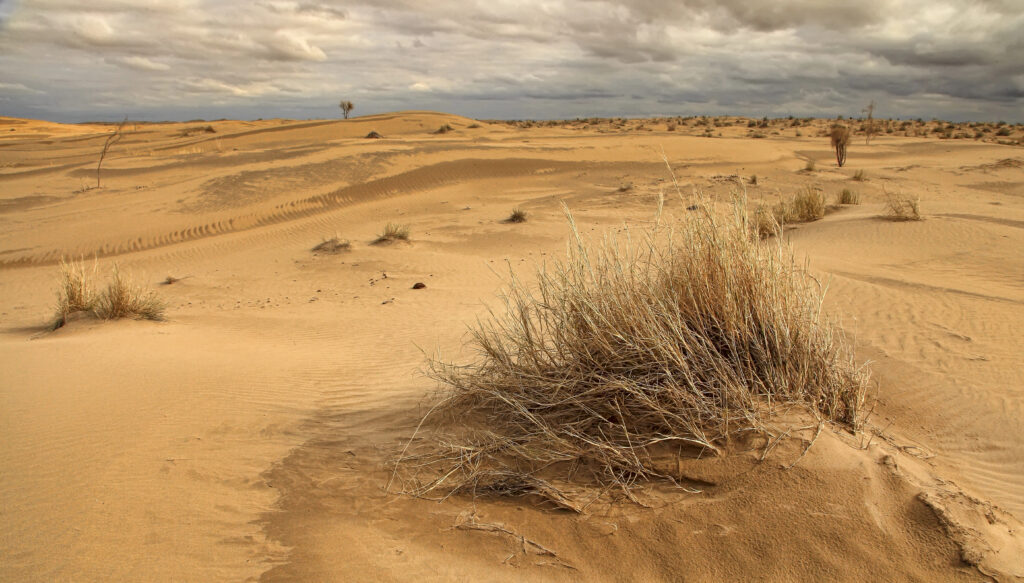
Cold Winter Deserts of Turan (inscribed in 2023)
The Turanian Deserts stretch over 1,500 kilometres across Central Asia and include 14 protected areas in Uzbekistan, Kazakhstan, and Turkmenistan. These landscapes support many types of desert ecosystems and wildlife that have adapted to harsh conditions. Uzbekistan’s part of the site is in the autonomous region of Karakalpakstan.
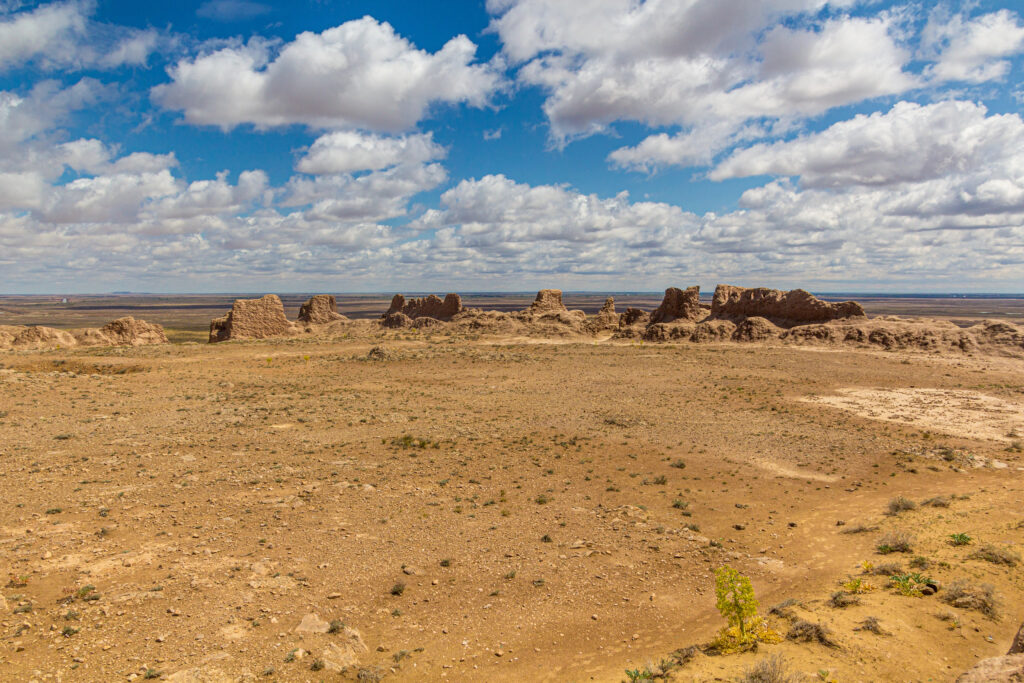
Silk Roads: Zarafshan-Karakum Corridor (inscribed in 2023)
The Zarafshan-Karakum Corridor is part of the UNESCO-listed Silk Roads network, reflecting centuries of trade and cultural exchange across Central Asia.
The corridor runs about 866 kilometres along the Zarafshan River toward the Merv Oasis. It includes historic settlements, caravan routes, and archaeological sites in Uzbekistan, Tajikistan, and Turkmenistan that once linked major trade centres in the region.