Uzbek think tank proposes taxing palm oil to combat public health risks

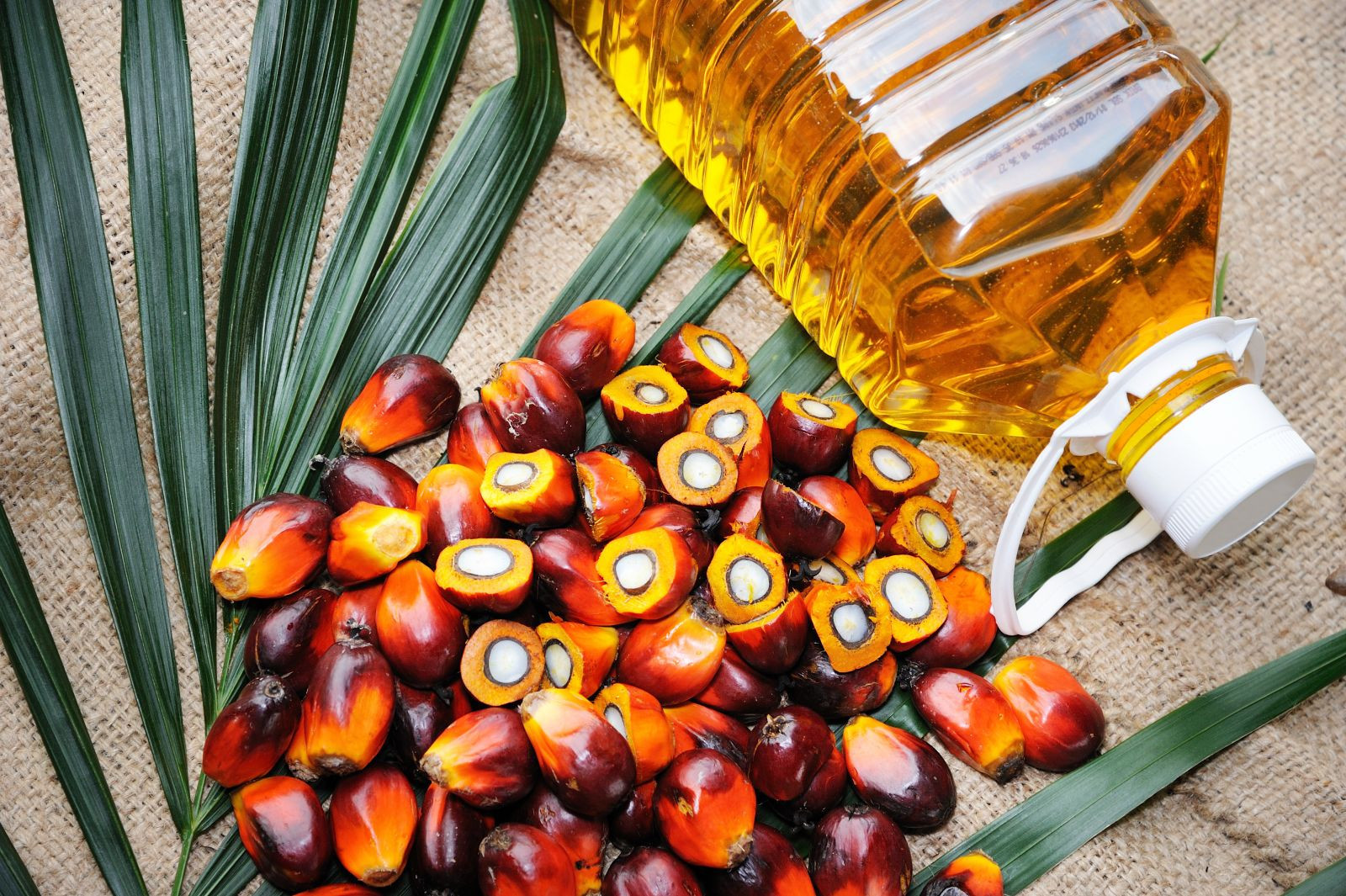
An Uzbek economic research group has recommended introducing an excise tax on palm oil imports to counter public health costs and address market distortions.
The proposal, published by the Institute for Fiscal Analyses within its 2027 tax policy framework, seeks to establish a corrective levy on commodity code 1511 to reflect the true societal toll of saturated fat consumption.
Projected financial impact in Uzbekistan
Under the institute’s blueprint, palm oil would face a specific excise tax rate of $139 per ton, matching roughly 10% of its projected 2026 import price of $1,388 per ton. With national annual import volumes reaching 12,789 tons, the measure is projected to generate an additional 21.7bn soums for the state budget.
Current trade frameworks exempting or applying zero-rate duties to palm oil create an artificial price advantage over alternative cooking oils. Economists at the institute maintain that correcting this imbalance through targeted fiscal policy will encourage healthier consumer habits while simultaneously easing the financial burden on the national healthcare system.
Health implications and WHO guidance
Medical and nutritional experts have long scrutinised palm oil due to its high concentration of saturated fats, which elevate the risk of cardiovascular disease and other noncommunicable ailments. Because palm oil is frequently hidden within processed foods and mass-market baked goods, traditional labelling strategies often fail to influence consumer choices adequately.
To address this information gap, the World Health Organization recommended implementing specific unit excise taxes on foods high in saturated fats in its 2016 framework, «Fiscal policies for diet and the prevention of noncommunicable diseases». World Bank research also indicates that health-targeted excise taxes provide a dual benefit by curbing harmful consumption while securing stable revenue streams for public budgets.
Economic literature notes that consumers often underestimate personal dietary risks due to a lack of nutritional awareness, making price signals an essential corrective tool.