SpaceX’s AI revenues explode as Starlink fuels growth

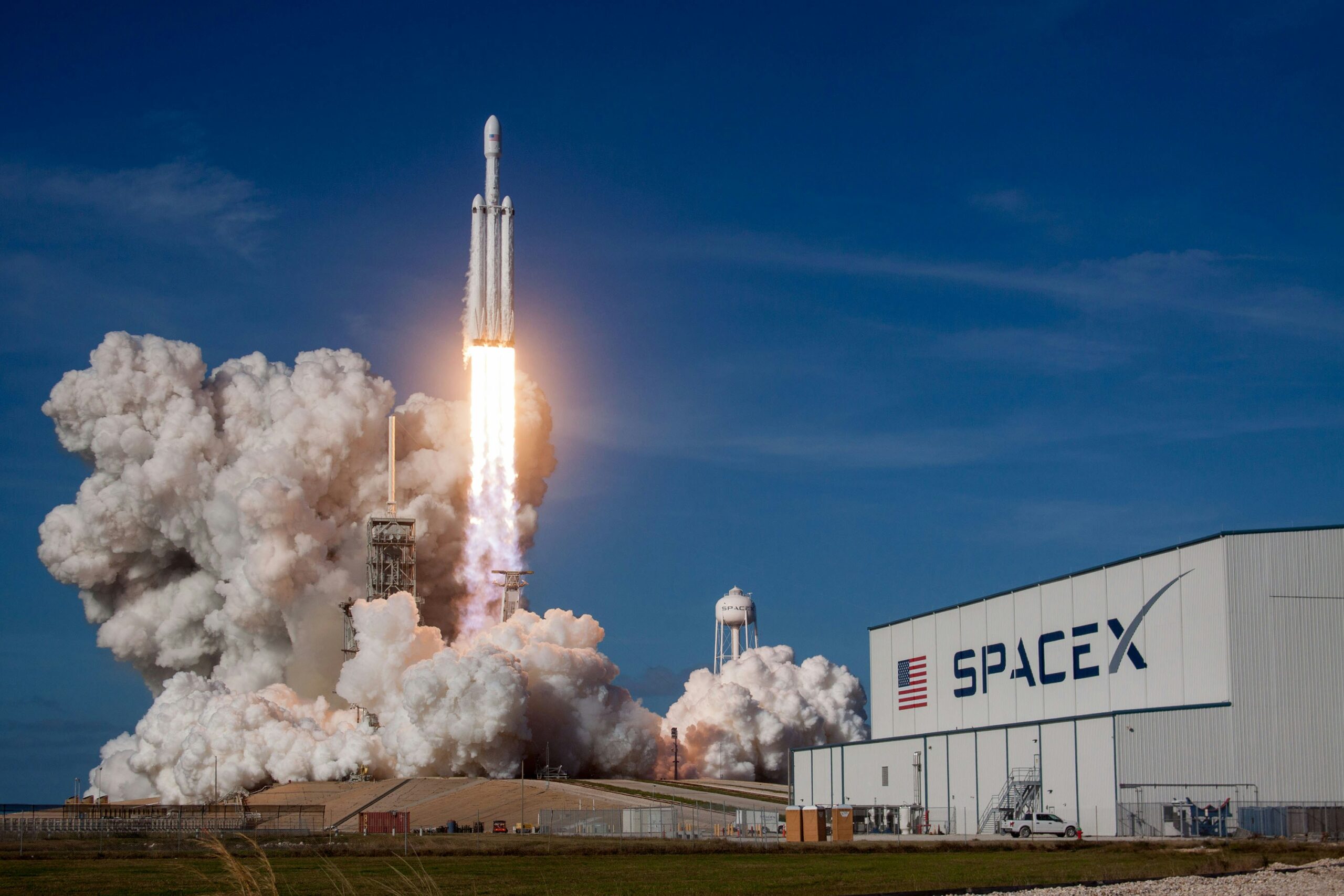
SpaceX is rapidly expanding beyond rockets and satellites, with its artificial intelligence business emerging as one of the company’s fastest-growing divisions. That is according to the company’s second-quarter results released to investors on Tuesday.
AI-related revenue surged by 247% year-on-year, reflecting a significant shift in Elon Musk‘s long-term strategy, as indicated in a recent SpaceX report. This rise coincided with a notable increase in overall revenue for SpaceX, propelled by the expanding satellite internet business, Starlink, and a growing demand for its technology.
In the second quarter of 2026, SpaceX generated $7.8 billion, surpassing expectations of approximately $6.93 billion. The primary sources of income were the Starlink satellite internet service, which accounted for $4.3 billion, and the SpaceX AI division, which generated $2.6 billion in revenue.
However, the company is also investing billions into AI infrastructure, suggesting a clear intention to establish itself as a significant player in the competition for computing power.
From rockets to AI infrastructure
For many years, SpaceX was predominantly known as a launch company that transformed the space industry through reusable rockets and lower-cost access to orbit. This perception has changed dramatically with the advent of Starlink, which has evolved into a global internet provider. Now, with AI, SpaceX is constructing infrastructure to support next-generation applications.
While presenting the quarterly results, Musk emphasised the rapidly escalating shortage of memory capacity for artificial intelligence systems. He estimated that global memory production is increasing at around 20% per year, while demand is surging by approximately 200% annually, or potentially even faster.
The company also outlined plans to enhance its AI infrastructure. By the end of 2026, SpaceX aims to increase the combined computing capacity of its data centres to 2 gigawatts, with plans to reach nearly 10 gigawatts by the end of 2027. This infrastructure is being designed with future expansion in mind, enabling it to eventually support power consumption and cooling capacity of up to 20 gigawatts.
Starlink becomes SpaceX’s cash engine
SpaceX’s satellite internet division continues to be a crucial driver of growth, with Starlink subscriptions reaching approximately 12 million users — roughly double the number from a year earlier. The service has extended into remote areas where traditional broadband infrastructure is either prohibitively expensive or challenging to establish, transforming what was once an experimental satellite network into a significant telecommunications enterprise.
The success of Starlink is also providing financial backing for SpaceX’s more ambitious projects, which include AI development, the next-generation Starship rocket, and future missions beyond Earth orbit.
Despite the robust revenue growth, investors have expressed concerns regarding the scale of SpaceX’s expenditures. The company significantly increased capital expenditure during the quarter, with billions allocated to AI infrastructure, Starship development, and satellite expansion.