Japan festivals tighten security as bear sightings rise in Tohoku

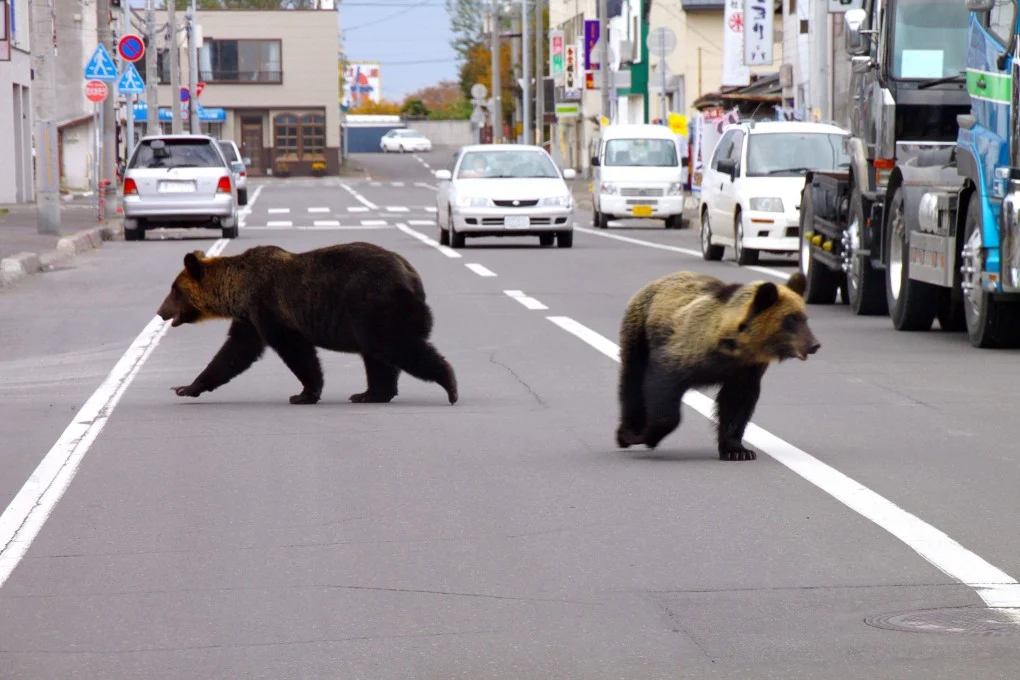
Japan’s major summer festivals are introducing additional safety measures as bear sightings increase across the Tohoku region, forcing organisers to account for wildlife risks during one of the country’s busiest festival periods.
The concern is stronger in Sendai, where the threeday Sendai Tanabata Festival is expected to attract more than 2mn visitors. The city recorded 216 bear sightings between April and July, about 40% more than during the same period last year. Bears have increasingly been spotted near populated areas across Tohoku, including Fukushima, Iwate and Aomori prefectures. Officials say the animals can use vegetation along rivers as cover before approaching urban areas.
Japan recorded a record number of bear-related incidents in fiscal 2025, with 238 attacks leaving 13 people dead. Environment Ministry figures also recorded more than 50,000 bear sightings during the year.
Sendai steps up precautions

Organisers of the Sendai Tanabata Festival have introduced several measures to reduce the risk of a bear entering the event area. An electronic whistle will operate along the river beside the festival grounds each morning, while repellent devices were installed at 20 locations along the riverbank. Additional deterrent equipment will also be available at a nearby tourist information centre.
Surveillance cameras have been connected to an alert system that can notify city officials, police and festival organisers when a bear is sighted. The festival could be cancelled if a bear is spotted within 1 kilometre of the venue. Visitors have also been urged to dispose of food waste properly to avoid attracting animals.
The precautions follow a bear sighting near a residential condominium in Sendai in April, about 1 kilometre from the city hall. The animal reportedly remained in the area for almost 10 hours.
Other festivals take different approaches
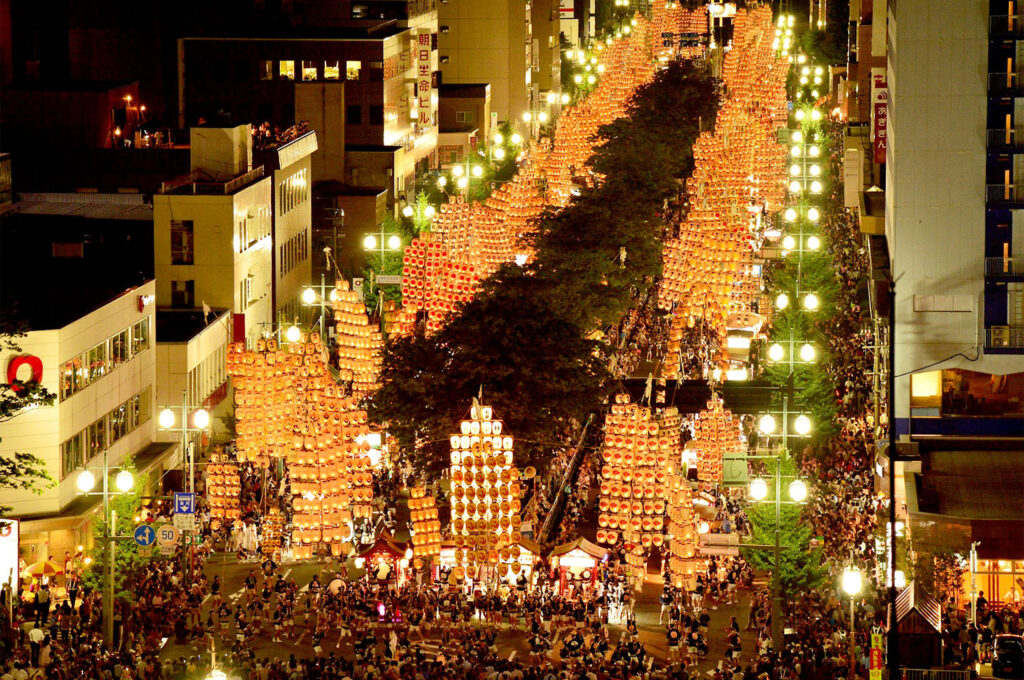
The Akita Kanto Festival has also increased monitoring, with municipal employees conducting twice-daily patrols while carrying bear deterrent equipment. Officials can issue warnings or suspend events depending on where animals are spotted.
Neighbouring Aomori has taken a less cautious approach. Organisers of the Aomori Nebuta Festival have not introduced specific anti-bear measures, saying the event’s crowds, drums and music are likely to discourage bears from approaching.
The issue has nevertheless continued into 2026, with bears reported even during winter, when the animals would normally be hibernating. Authorities across Tohoku have repeatedly warned residents as sightings move closer to populated areas.
With millions of people expected at festivals this summer, organisers across the region are increasingly having to consider bear activity alongside weather, crowd management and other event risks.