India prepares daring Everest mission to retrieve Green Boots

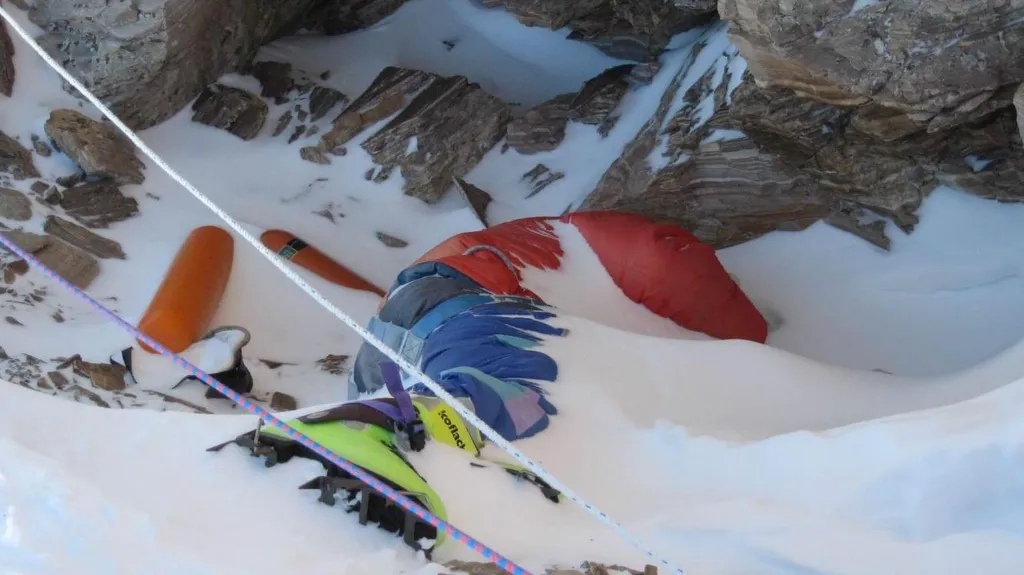
Indian officials are planning a complex high-altitude recovery mission to retrieve the body of a mountaineer who has lain frozen near the summit of Mount Everest for 30 years, BBC reports.
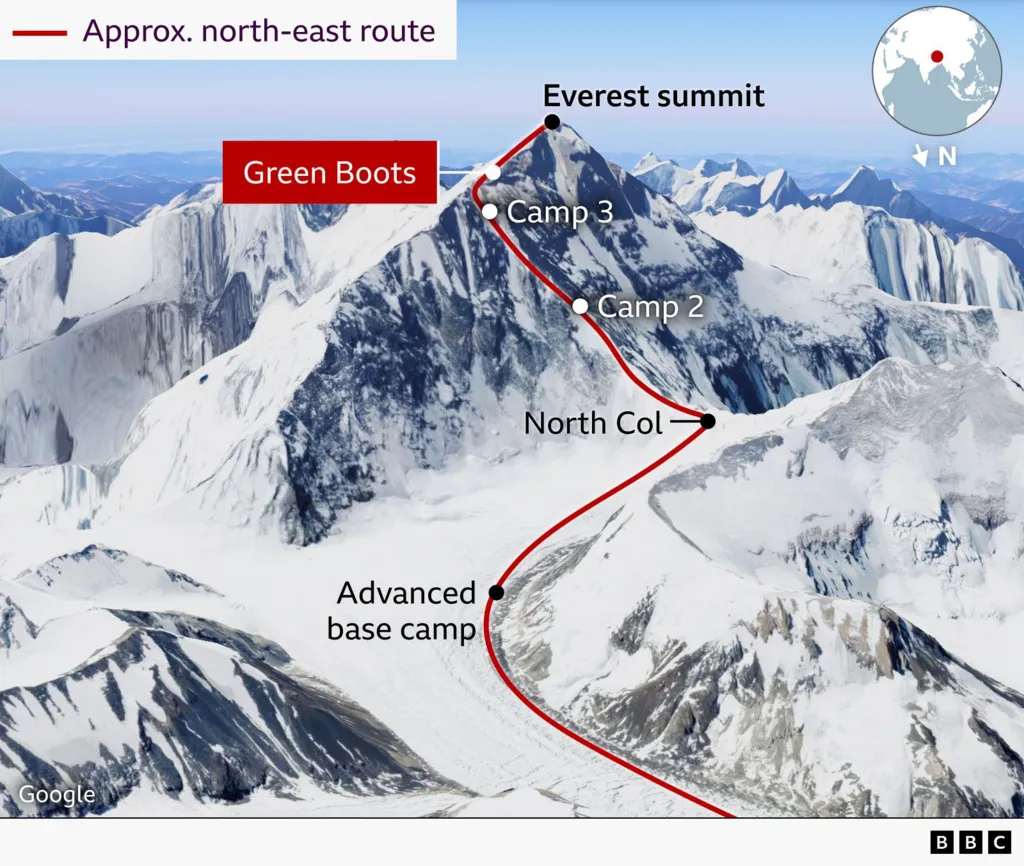
Known globally as «Green Boots» due to his distinctive lime-coloured footwear, the climber died during a blizzard in 1996. The remains have served as a grim trail marker for ascending mountaineers at an altitude of 8,500 metres.
While the body was widely assumed to be Tsewang Paljor, recent analysis of radio logs and expedition gear has led authorities to identify the man as Dorje Morup. The 48-year-old lance corporal served in the Indo-Tibetan Border Police and perished alongside two teammates during a historic attempt to summit the world’s highest peak from the treacherous Chinese side. Three other members of the original six-person team survived by turning back when the storm hit.
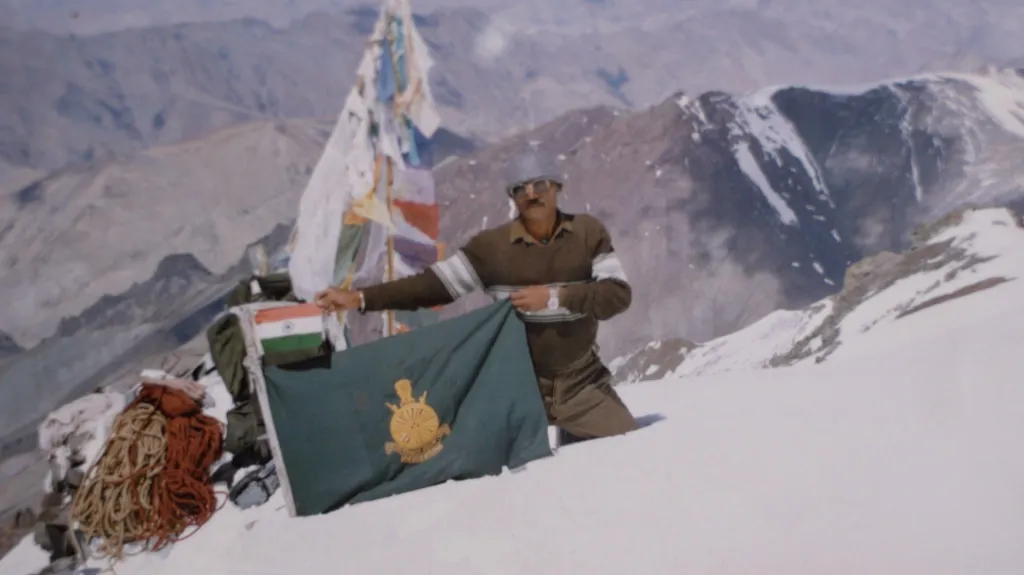
The ITBP is now seeking a specialised team to return his remains to India by September. The organisation plans to conduct DNA testing to confirm his identity and offer his family closure.
A treacherous extraction of «Green Boots»
Recovering a body from Everest’s death zone involves immense logistical challenges and physical risks. Temperatures regularly plummet to minus 40 degrees Celsius and oxygen levels drop to a third of those at sea level.
The operation is further complicated by the body’s location on the northern slope in Chinese-administered Tibet. This route is exceptionally steep and lacks the rapid helicopter rescue infrastructure available on the popular southern Nepalese side.
Mountaineering experts estimate the mission will require 10 to 12 elite Sherpas just to establish support ropes. The team must physically carry the remains down challenging terrain to an altitude accessible by yaks or helicopters. A frozen body laden with ice and climbing gear often weighs significantly more than an average person, making the descent incredibly dangerous.
Such operations are exceptionally rare and heavily resourced, typically costing between $40,000 and $80,000. Families usually lack the funds for extraction, and local teams often simply move bodies out of sight. The primary concern during any retrieval remains ensuring no rescue personnel lose their lives attempting to recover the deceased.
Closure for the family
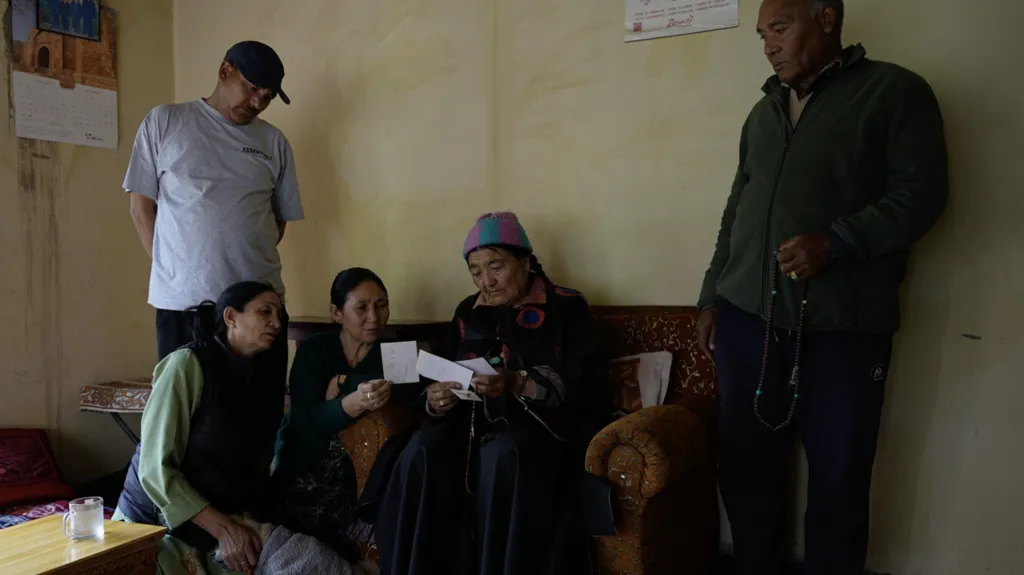
Back in the Indian territory of Ladakh, Morup’s family has spent three decades grappling with his disappearance. He promised his wife Konchak Yangskit that he would return a hero before departing for the expedition.
Despite holding cremation prayers in 1996, Yangskit struggled to accept his death without seeing the body. She spent years hoping he would eventually return home safely.
All the family currently holds of Morup are photographs, military trophies and a certificate from the Chinese government confirming he successfully summited Everest at 5:30 p.m. on 10 May 1996.
If the recovery mission succeeds, Morup’s son Punchok Dorjai plans to hold a martyr’s funeral in the regional capital of Leh. He also intends to preserve a piece of his father’s unique mountaineering legacy by keeping the iconic green boots.