Google Pixel 11 series launches: price, specs, cameras and everything you need to know

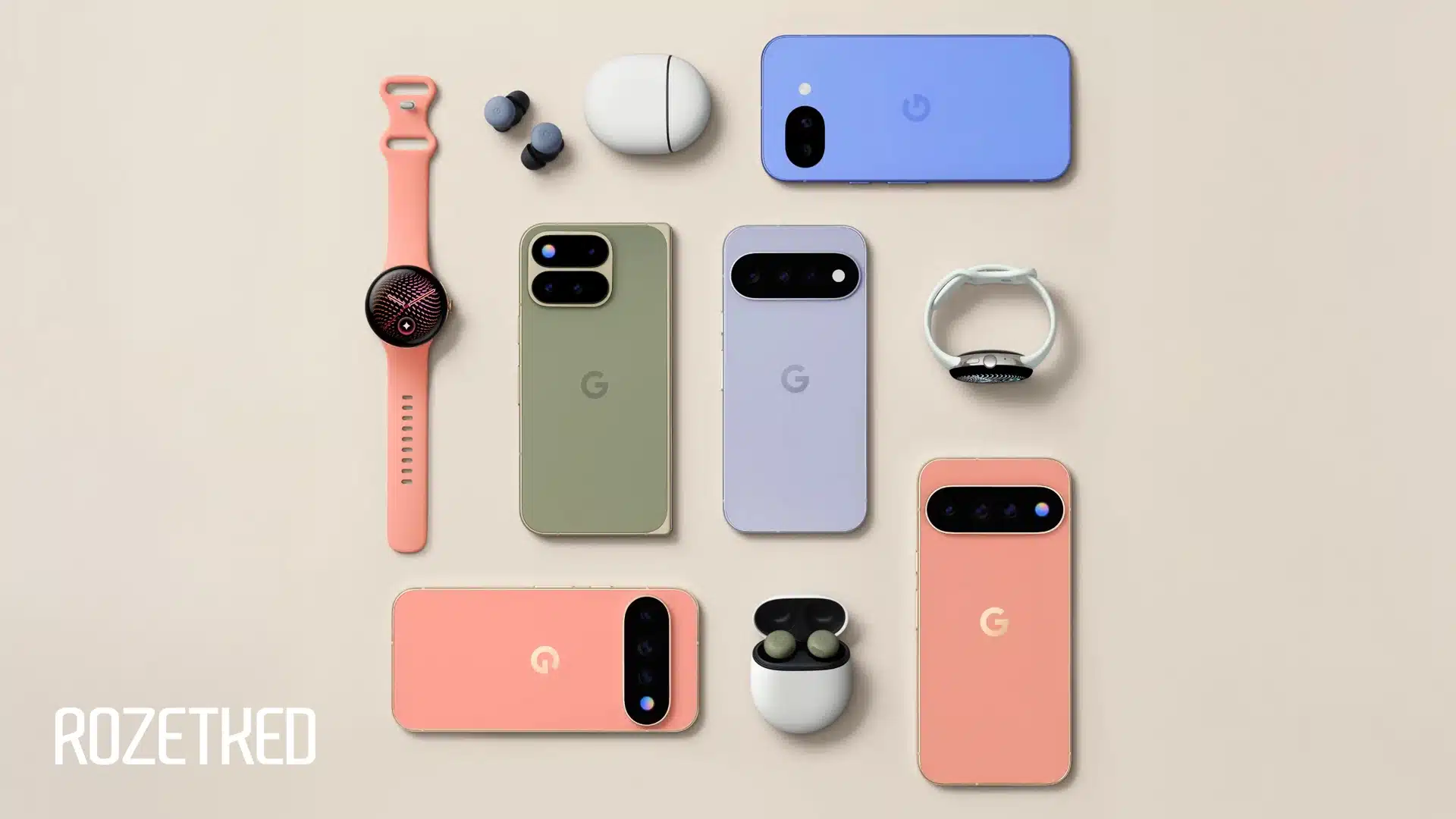
During the August 12 Made by Google showcase, the tech giant introduced the latest iteration of its flagship devices: the Pixel 11 lineup. This new family includes the standard Pixel 11, the Pixel 11 Pro, the supersized Pixel 11 Pro XL, and the book-style Pixel 11 Pro Fold.
Driven by the fresh Tensor G6 chipset, this generation heavily emphasizes the Gemini Intelligence ecosystem, while also delivering substantial camera improvements and physical design tweaks. Pre-orders are currently live, with all four devices slated to hit store shelves on August 20.
Read on for a complete breakdown of the announcements.
What phones did Google announce?
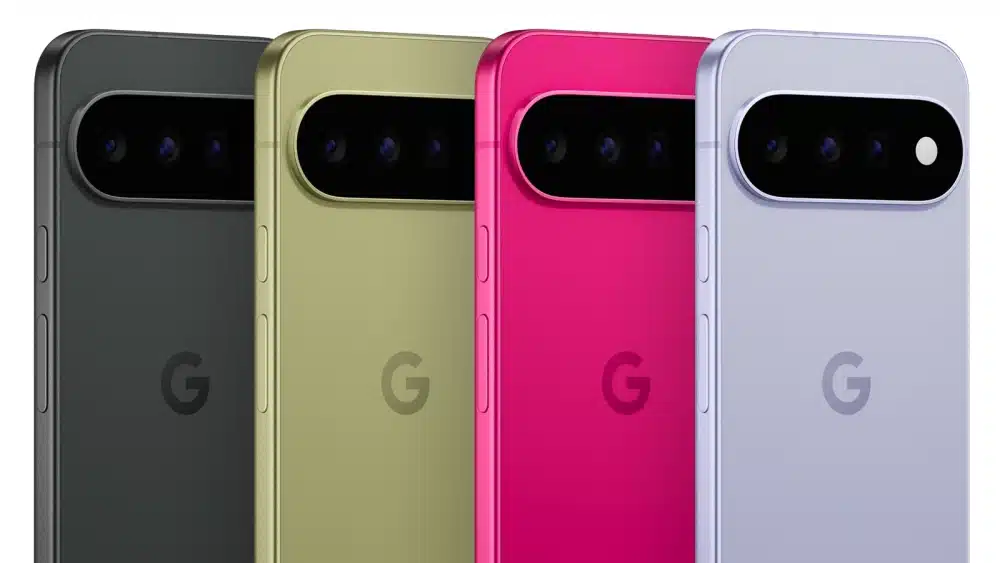
Google’s latest hardware reveal features a quartet of new devices:
- Pixel 11
- Pixel 11 Pro
- Pixel 11 Pro XL
- Pixel 11 Pro Fold
While the initial trio maintains the familiar slab format, the Pro Fold represents the brand’s newest foray into the foldable market. Every model in this generation is powered by the custom Tensor G6 silicon and engineered to maximize the Gemini Intelligence platform.
How much does the Pixel 11 cost?
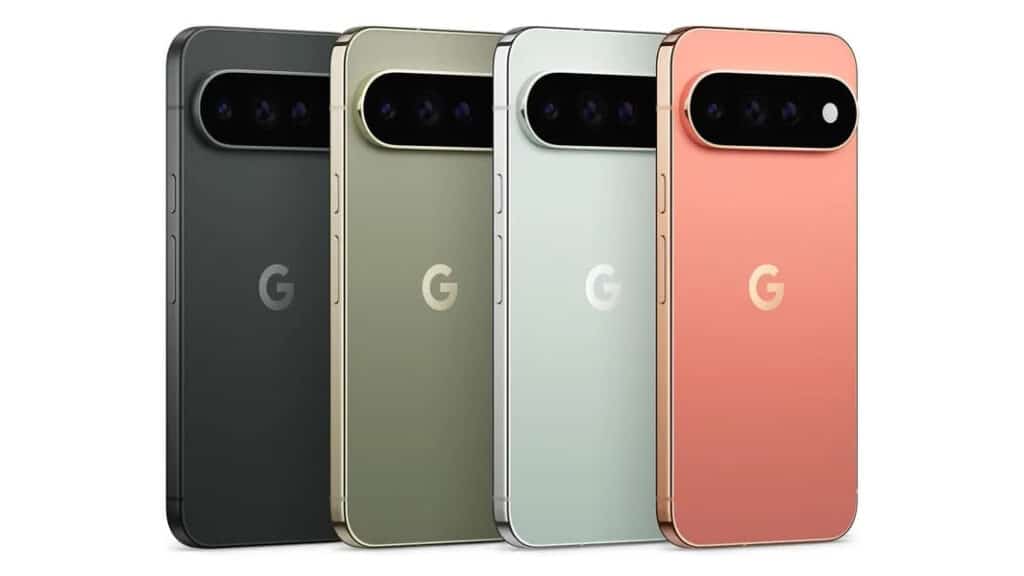
Consumers can expect a price bump across the standard and Pro models this year, with each costing $100 more than last year’s equivalents. However, Google has eliminated the 128GB tier, meaning the entry-level standard model now packs double the base storage.
- Pixel 11: Starting at $899 (256GB)
- Pixel 11 Pro: Starting at $1,099
- Pixel 11 Pro XL: Starting at $1,299
- Pixel 11 Pro Fold: Starting at $1,899
Customers were able to secure their devices via pre-order immediately following the August 12 presentation. General retail availability for the entire Pixel 11 family kicks off on August 20, 2026, via the Google Store and partnered retailers.
Core Specifications
What processor does the Pixel 11 use?
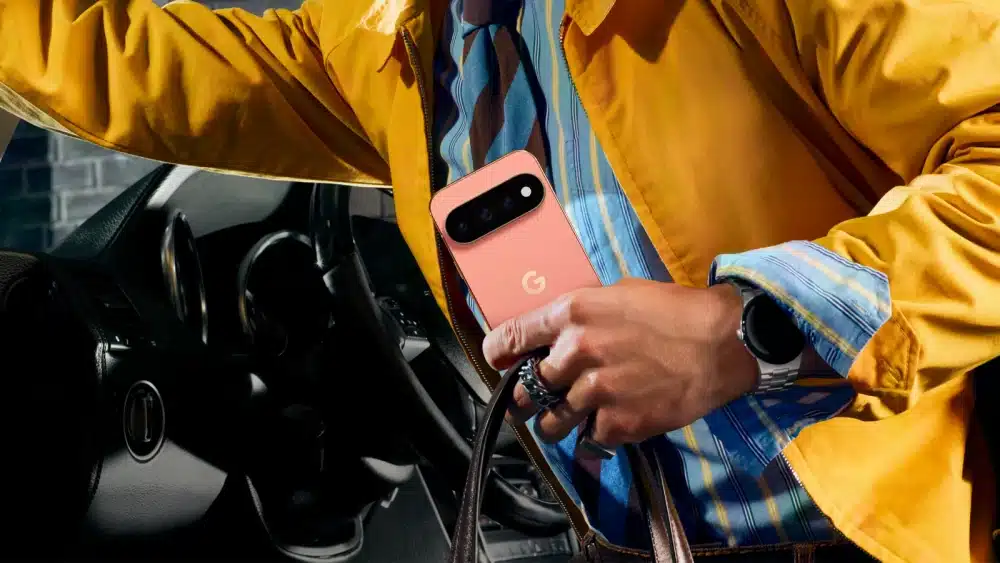
At the heart of the entire Pixel 11 series lies the Tensor G6. Touted as Google’s most robust and swift custom processor to date, this silicon is purposely optimized for on-device artificial intelligence. Instead of merely chasing high benchmark scores, Google engineered the G6 to seamlessly run the latest Gemini Nano model and power the suite of new AI functionalities embedded in these phones.
How much RAM and storage does the Pixel 11 have?
- Pixel 11: 12GB of RAM paired with a minimum of 256GB of storage.
- Pixel 11 Pro & Pro XL: The 256GB base versions feature 12GB of RAM, while opting for larger capacities (which max out at 1TB) upgrades the memory to 16GB.
- Pixel 11 Pro Fold: Comes fully loaded with 16GB of RAM and 512GB of internal storage.
What display does the Pixel 11 have?
The entry-level Pixel 11 sports a 6.3-inch OLED screen capable of a fluid 120Hz refresh rate. The Pixel 11 Pro matches that 6.3-inch footprint, whereas the Pixel 11 Pro XL stretches out with a massive 6.8-inch Super Actua panel. The Pro variants boast some of the most significant screen improvements, peaking at a brilliant 3,600 nits of brightness. For protection, the standard models are shielded by Corning’s Gorilla Glass Victus 2.
How good are Pixel 11 cameras?
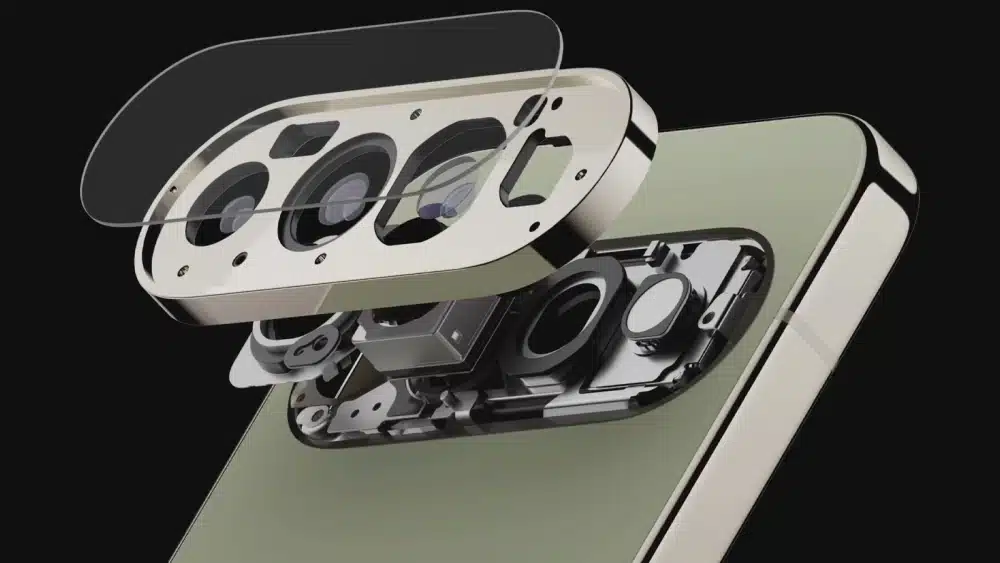
Photography remains a strong suit, with the entire lineup receiving an overhauled main sensor.
- Pixel 11: Outfitted with a 48MP primary lens, a 13MP ultra-wide, and a sharp 42MP selfie camera.
- Pixel 11 Pro & Pro XL: Step up to a sophisticated triple-lens array featuring a 50MP main shooter, a 48MP ultra-wide, and a 48MP telephoto lens equipped with 5x optical zoom.
The upgraded telephoto lens on the Pro versions boasts a larger sensor for superior light intake and powers the enhanced 120x Pro Zoom. Furthermore, low-light photography gets a massive speed boost; Google claims the new Instant Night Sight captures images up to 4.5 times quicker than older models.
What are Magic Capture, Camera Looks and Creator Suite?



- Magic Capture: This standout addition takes the pressure off perfectly timing a photo. Utilizing the Tensor G6 and Gemini models, the phone analyzes roughly 400 frames of a fleeting moment (like a running pet or playing child) to automatically extract a pristine 12MP still while simultaneously saving a video clip.
- Camera Looks: Users now have granular control over their photo aesthetics right in the viewfinder. Alongside standard presets like Natural, Vanilla, and Shadows, Google added specialized styles such as Velvet, Editorial, Minimal, Black Tie, Classic, and Digi. These can be adjusted live, reducing the reliance on post-processing.
- Creator Suite: Tailored for content creators, this built-in toolkit includes project folders, social media-friendly gridlines, and an integrated teleprompter. A fresh Storyboard feature lets users edit and sequence clips immediately after filming, and the camera app can now default straight to video mode.
What is HiLight?
Exclusive to the Pro and Pro XL is HiLight, a distinct hardware change that surrounds the camera flash with LED lighting. This transforms the camera bar into a visual notification hub. It flashes specific colors for VIP caller IDs and reacts when conversing hands-free with Gemini. Future updates will expand this to include message alerts for favored contacts.
What AI features does the Pixel 11 have?
AI takes center stage for this generation. Gemini Intelligence is deeply woven into the OS, capable of executing complex, multi-step actions across dozens of applications. The system offers proactive contextual prompts—such as pulling up travel itineraries or suggesting calendar events based on your current activity.
- Rambler: A newly introduced voice dictation tool powered by Gemini that effortlessly converts casual, natural speech (complete with filler words) into polished, professional text.
- Circle to Search Camera Integration: This popular tool now functions directly within the camera viewfinder. You can point your phone at an unknown plant or landmark and instantly look it up without snapping a picture or leaving the app.
- Live Translate: Powered by the G6 chip, on-device generative AI can now translate audio and video media in real time into your chosen language (subject to regional and app support).
How big are the Pixel 11 batteries?
Under Google’s testing metrics, the Pro variants are rated to last over 30 hours. The specific capacities are:
- Pixel 11: 4,985mAh
- Pixel 11 Pro: 4,850mAh (supports 30W wired charging)
- Pixel 11 Pro XL: 5,115mAh (supports 45W wired charging)
All models in the lineup support the new Qi2.2 wireless charging standard, capable of hitting up to 25W speeds.
How durable is the Pixel 11 Pro Fold?


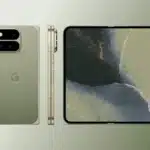
As the premium tier of the family, Google’s fourth iteration of the foldable formula brings a highly refined footprint. It sheds nearly 10% of its weight and shaves off about 1mm in thickness compared to the Pixel 10 Pro Fold.
- Durability and Displays: Internal tests claim the device is three times as resilient as its predecessor. It maintains an IP68 rating, utilizes a novel glass-fiber composite for its rear panel, and protects its outer screen with ceramic cover glass. The internal folding screen benefits from a redesigned, gearless hinge. Both the inner and outer panels have received a 20% brightness boost, maxing out at an impressive 3,600 nits.
- Cameras and Battery: The Fold sports a light-gathering 48MP main sensor, an ultra-wide lens, and a telephoto capable of 30x Super Zoom. It also inherits the new Magic Capture and Camera Looks. For power, it supports 30W wired charging (hitting 50% in roughly half an hour) and 25W Qi2.2 wireless charging, providing an estimated 24+ hours of uptime.
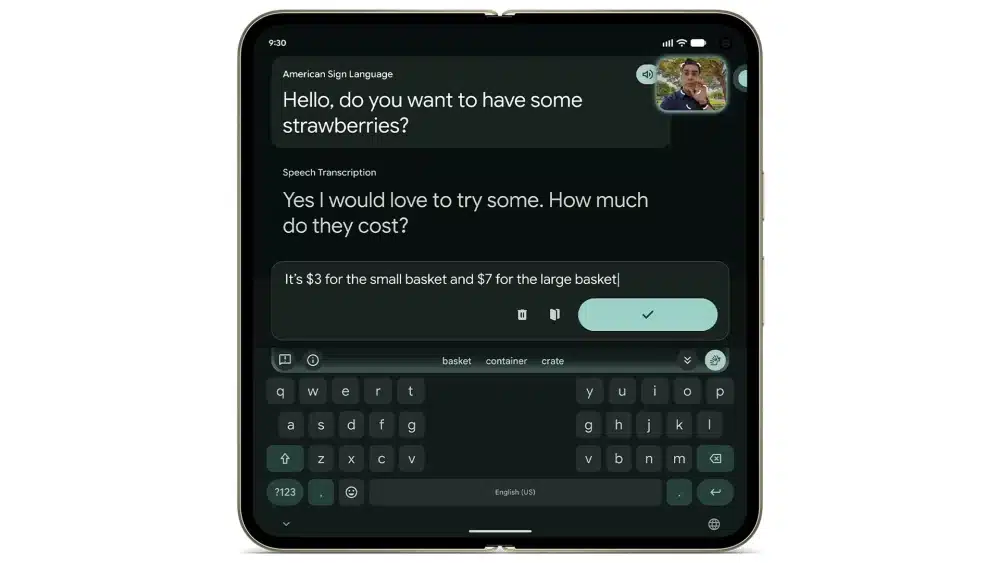
- Exclusive Accessibility Feature: Developed alongside the Deaf community, the Fold utilizes a unique Sign Language-to-Text model. Users can sign into the inner camera while the translated text is displayed on the outer screen for others to read via Live Transcribe and Gboard.
Color options for Pixel 11 Pro Fold
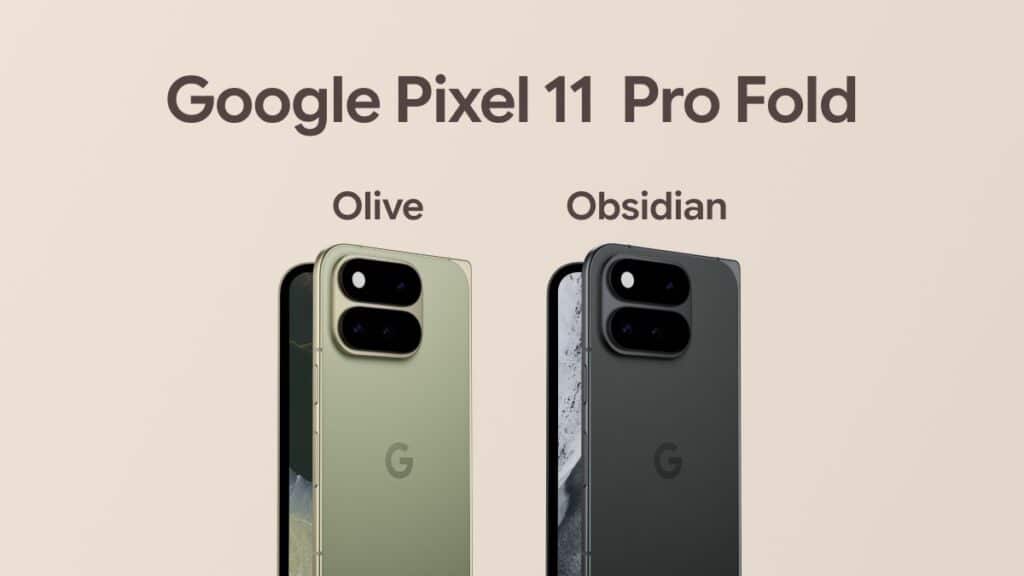
Taking cues from nature, Google has refreshed its color palette, though availability depends on the specific model and storage tier.
- Pixel 11 Pro Fold: Olive and Obsidian.
- Pixel 11, Pro, and Pro XL: Options span Light Fog, Hibiscus, Dune, Frost, Olive, and Obsidian.
Google also maintains its industry-leading commitment to device longevity, guaranteeing seven years of security and operating system updates for the entire Pixel 11 suite.
Google Pixel Watch 5, Pixel Tag and Pixel Buds
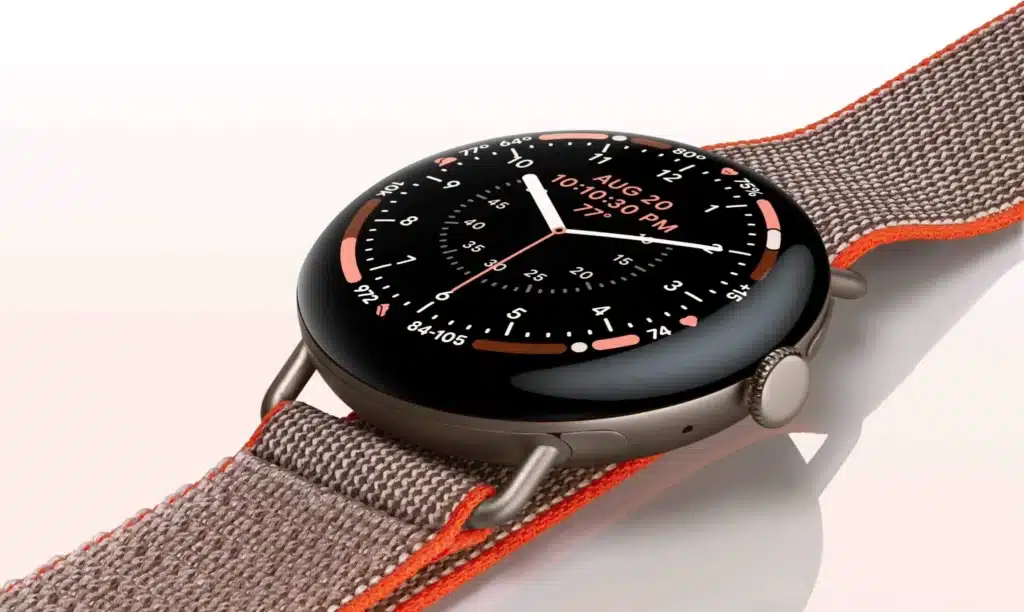



The smartphone reveals were accompanied by several ecosystem additions:
- Pixel Watch 5: Upgraded with proactive Gemini integration, superior GPS accuracy, and fresh health-tracking metrics.



- Pixel Tag: Google’s inaugural Bluetooth tracker, seamlessly leveraging the Find Hub network to help locate lost luggage, keys, or wallets.




- Pixel Buds: Both the Pixel Buds Pro 2 and Buds 2a received feature updates and new colorway options.
Is the Pixel 11 worth upgrading to?
The defining characteristic of the Pixel 11 series isn’t just a physical redesign, but its deep pivot toward artificial intelligence. With tools like Creator Suite, Rambler, and the Tensor G6 chip leading the charge, Google is clearly transitioning the Pixel from a traditional smartphone into a dedicated, AI-driven personal assistant.
However, this evolution comes at a cost, with the entry price now sitting at a steep $899. If you currently own a Pixel 10, the advancements in AI, low-light photography, and processing power are notable, though the core experience will feel quite familiar.
Conversely, those holding onto older Pixel generations will find the leap to the Pixel 11’s Gemini-infused ecosystem incredibly substantial. With units shipping on August 20, prospective buyers may want to hold out for independent real-world performance reviews to see if Google’s ambitious new generation justifies the price hike.