US flags Central Asia as possible China tariff evasion hub

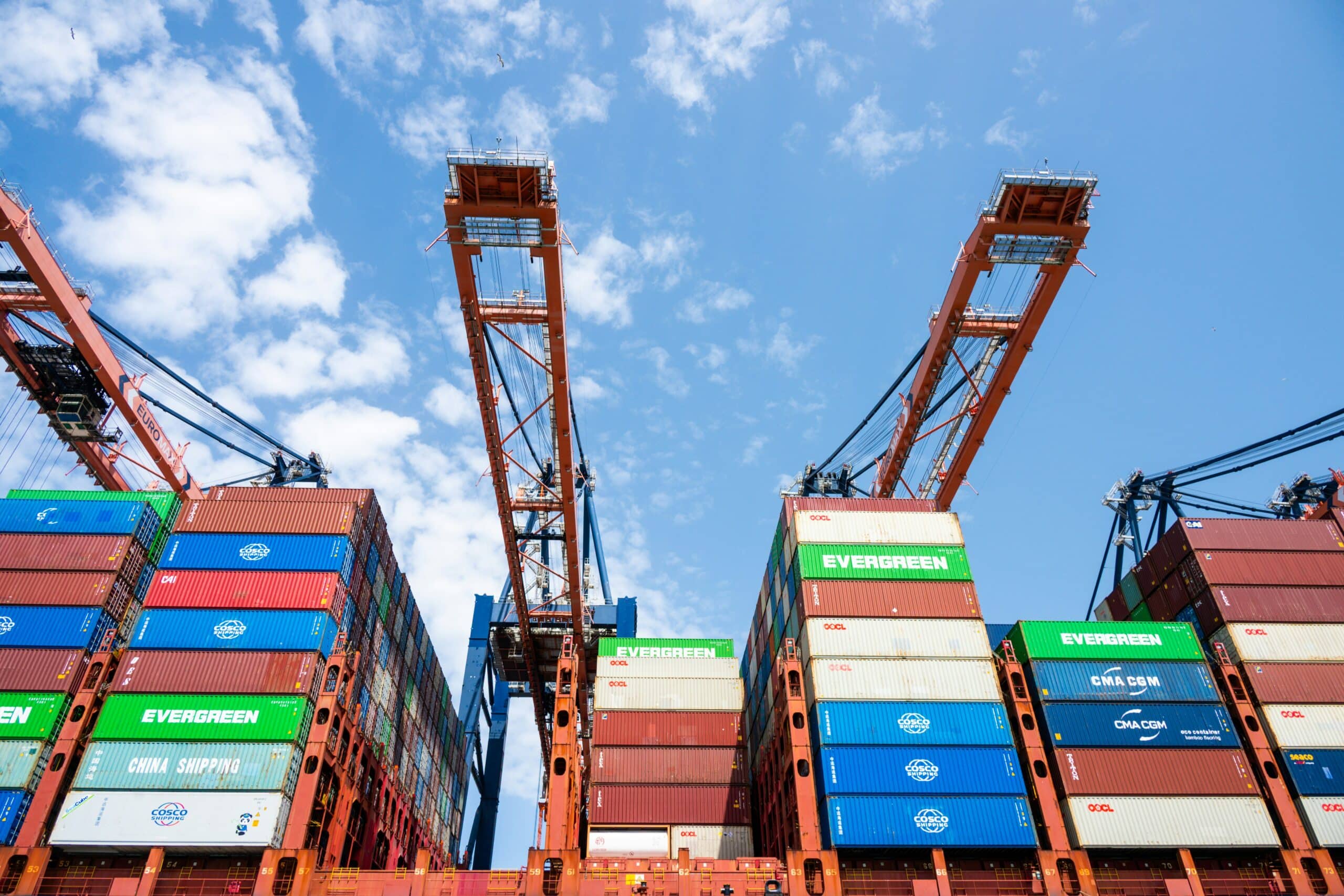
The White House has named Uzbekistan and Kazakhstan among smaller economies that could reroute Chinese goods around US tariffs. Washington stopped short of accusing either country of large-scale evasion, but a comprehensive 40-page report puts Central Asia’s growing role as a China-linked trade corridor under closer scrutiny.
Rerouting, relabelling or limited processing are helping Chinese exporters circumvent higher US tariffs, according to the White House’s new report, The Great Transshipment Scam. It ranks Kazakhstan and Uzbekistan at Tier 3, along with Azerbaijan, Georgia, the UAE and Singapore.
Tier 3 includes smaller economies with lower suspected volumes of transshipment, but they have characteristics that could facilitate rerouting, such as free zones, low-cost labour, bonded warehouses, border access, and limited customs enforcement capacity.
Uzbekistan and Kazakhstan are also characterised as overland nodes of the Belt and Road, indicative of their role in rail and road links between China and markets further to the west.
Read more: $4.7bn China-Kyrgyzstan-Uzbekistan railway gets security boost
The report does not name any specific Uzbek or Kazakh companies engaged in tariff evasion or provide evidence either government facilitates it. Both are more likely to be considered weak links in a much larger problem of global enforcement.
New US trade ties raise the stakes
The timing is notable as Washington has recently been deepening its commercial ties with both countries.
In June, the US and Uzbekistan announced an «early harvest» trade package and accelerated talks on a broader Agreement on Reciprocal Trade and Investment. Uzbekistan agreed to reduce or eliminate tariffs on a range of US industrial and agricultural products, while Washington said it would consider more favourable tariff treatment for Uzbek exports.
Read more: US pledges no additional tariffs on Uzbek exports as trade ties deepen
Kazakhstan, meanwhile, signed more than $17 billion worth of commercial deals with US companies during the C5+1 summit in Washington in November 2025, covering areas such as energy, critical minerals, transport, finance and technology. US goods trade with Kazakhstan reached about $5 billion in 2025, with American imports accounting for $4.1 billion.
The White House estimates that tariff circumvention via third countries could cost the US billions of dollars a year, and it plans to increase its use of AI, shipping records, ownership data, and certificates of origin to spot suspicious trade routes.
From economics and politics to business, technology and culture, Kursiv Uzbekistan brings you key news and in-depth analysis from Uzbekistan and around the world. To stay up to date and get the latest stories in real time, follow our Telegram channel.
