Russia makes its choice on WTO, IMF and World Bank membership

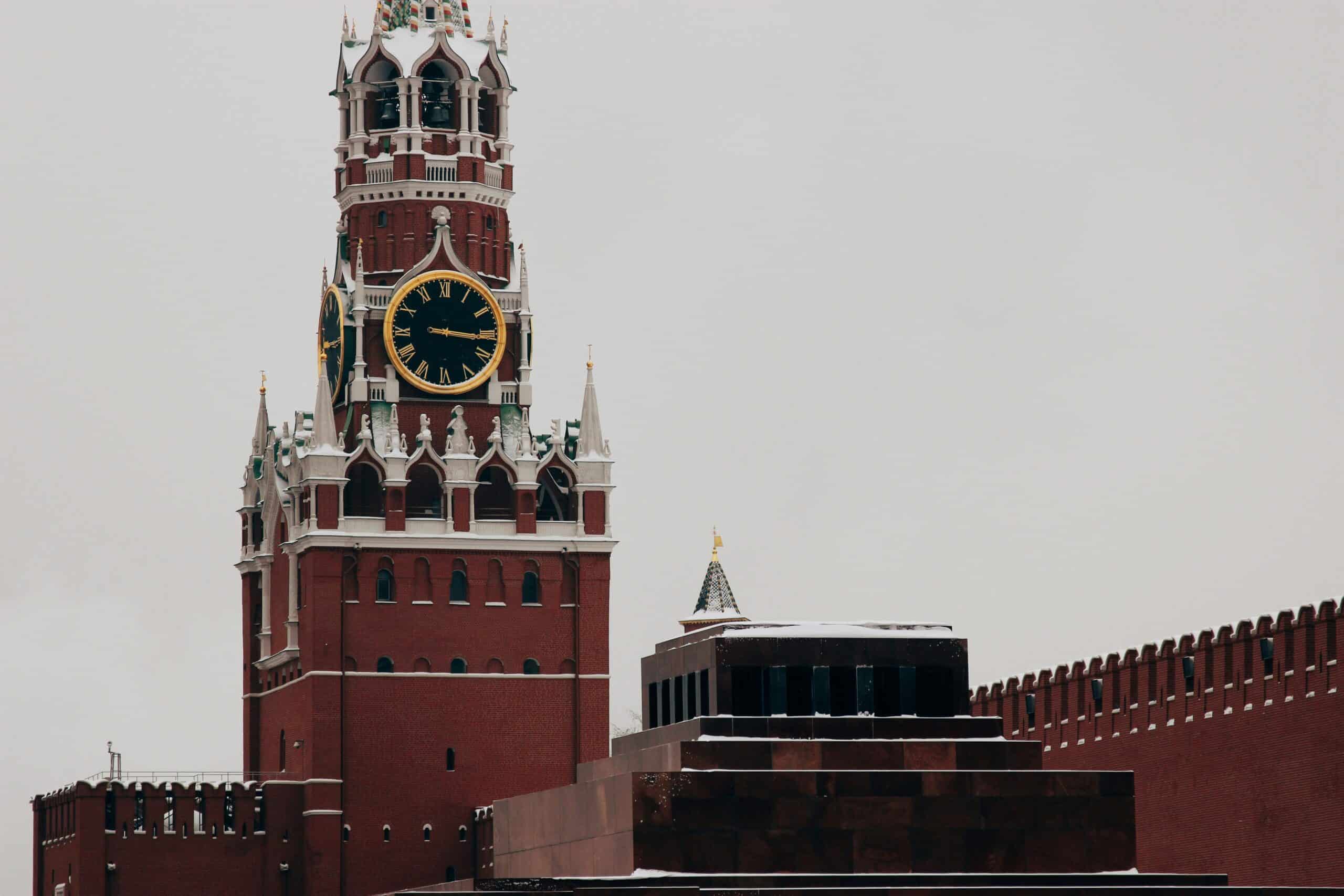
Despite the lingering confrontation with the West, membership in the world’s leading economic institutions provides invaluable avenues for dialogue, a high-ranked Kremlin official has said.
«In terms of the NATO partnership, Russia’s participation in the WTO or in international financial organisations — the IMF and the World Bank — the relevant ministries oppose terminating our participation,» Garry Minkh, president Vladimir Putin’s parliamentary envoy, told state news agency TASS.
Minkh added that the respective framework agreements and memberships «have not exhausted their potential» for maintaining dialogue with other countries. «The agreements I have mentioned are still a means of communicating with other states,» he said.
Sticking to the official narrative, the official contrasted Russia’s approach with Western governments’ handling of the Minsk agreements, which were intended to end fighting in eastern Ukraine following the 2014 Euromaidan revolution. Minkh went on to accuse the EU of undermining the agreements before claiming that Russia would stick to its international obligations.
Read more: Zelenskyy picks Uzbekistan-born top Russia negotiator as next intelligence chief
Moscow keeps the door open
Russia joined the IMF on 1 June 1992 and became a World Bank member later that month. It entered the WTO on 22 August 2012 after nearly two decades of negotiations.
Membership has not led to normal operations. The World Bank has approved no new loans or investments in Russia since 2014 and has ended all its programmes in the country as of March 2022.
Moscow’s latest position nevertheless signals that it still sees value in retaining a seat inside the global institutions it frequently accuses the West of dominating.