Turkish company to operate power grid in Uzbekistan’s largest region

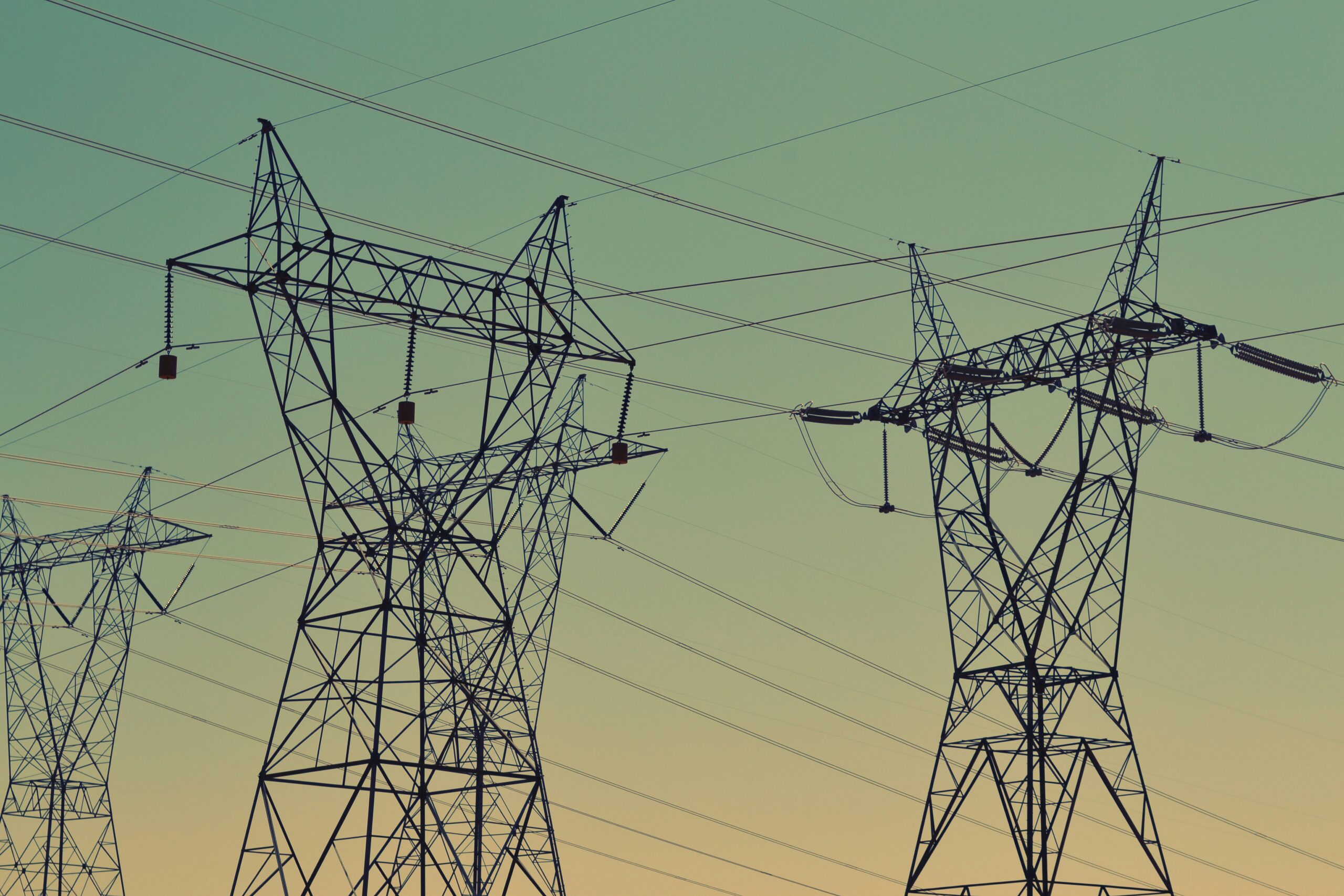
Uzbekistan has approved the transfer of the Samarkand region’s electricity distribution networks to Turkish company AKSA Elektrik Perakende Satış A.Ş. under a public-private partnership, with the operator expected to invest heavily in modernising the system over the next three decades.
President Shavkat Mirziyoyev approved the results of an international tender supported by the International Finance Corporation, formally clearing the way for AKSA to take over management and operation of the distribution network across the Samarkand region, including the city of Samarkand.
The infrastructure itself will remain state-owned. AKSA will operate the infrastructure through its Uzbek subsidiary, AKSA Samarqand Electricity Distribution LLC, which it has already established in the country.
The public-private partnership agreement was signed on January 29, 2026, between Uzbekistan’s Ministry of Economy and Finance and the private partner. A separate PPP agreement was signed with Regional Electric Networks, the state partner.
$357 million required in first 12 years
Under the agreement, AKSA and its Uzbek subsidiary must attract at least $357 million in direct investment during the first 12 years of the project.
At least $27 million is expected to be invested during the first two years as part of the transition period. AKSA plans to invest about $1bn over 30 years to modernise and manage the distribution networks in Samarkand.
If a technical audit establishes annual losses of between 20% and 25%, the operator will have to reduce them by 1.4 percentage points each year. Where losses stand between 15% and 20%, the required annual reduction will be 0.6 percentage points.
AKSA will also have to provide a bank guarantee. The guarantee will be set at $5mn during the first two years and will later be either $5mn or 5% of planned investment under five-year programmes, whichever is higher.
Why Samarkand matters
Samarkand is one of Uzbekistan’s largest and most economically important regions, combining a large population with major industrial, education and tourism activity. The region has about 4.3mn residents and annual electricity consumption of roughly 5.5bn kilowatt-hours, according to AKSA Chairman and Kazancı Holding Chairman Cemil Kazancı.
The regional administration has also been instructed to work with the relevant ministries to identify land needed for expanding the network and developing new assets. Such land will remain under state control until the private partner leases it for the duration of the project.
AKSA has already established an energy presence in Uzbekistan. Its projects include thermal power plants with capacities of 270 MW in the Bukhara region and 240 MW in the Tashkent region. The company has also pledged $250 mn for a 400 MW gas-engine power plant in the Kashkadarya region.