“I wanted him to live his best life”: Defiant Nathan Cofnas on Jason Arday’s death

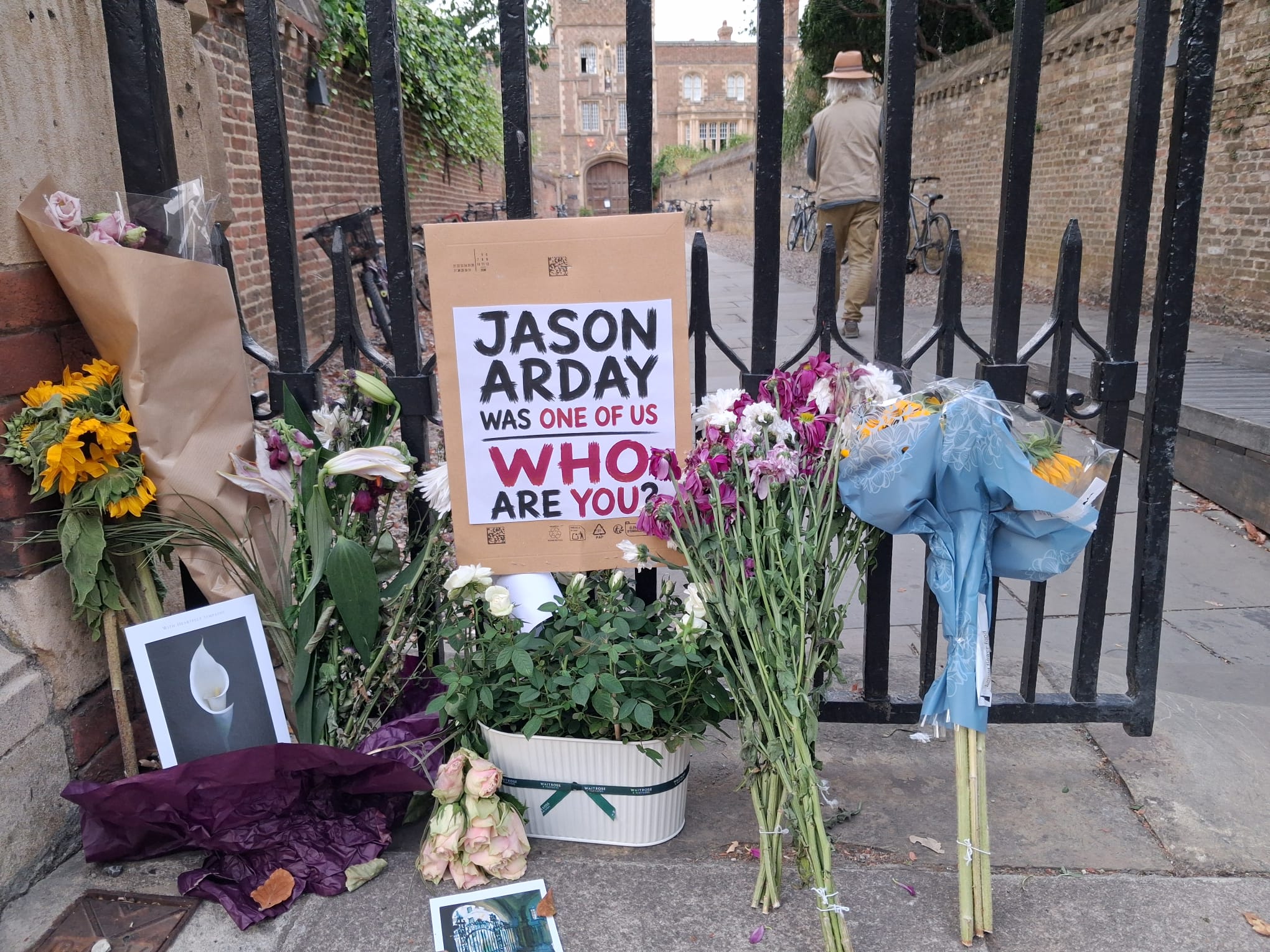
Nathan Cofnas admitted that his action caused «a series of events» that led to Jason Arday‘s death but stopped short of claiming credit for it. In his first interview since the Cambridge professor died, Cofnas defended his criticism and called Arday «incidental» to his attack on university diversity policies.
Speaking to Al Jazeera, Cofnas acknowledged, «I did take an action which set off a series of events that led to a tragic outcome.»
He then set out the dilemma more starkly: «If I say that I’m not responsible, then it sounds like, kind of, I don’t appreciate the consequences of what happened. If I say I am responsible, what are the implications of that?»
Cofnas instead framed the plagiarism row as a test of whether academics can criticise public figures despite the possible personal cost.
«You have to be allowed to critique such people, even if they take it the wrong way or feel bad about it.»
‘Arday was just incidental’
Cofnas denied harbouring any personal hostility towards the professor.
«I had zero interest about Jason Arday. I had no ill will for him; I wanted him to stay a professor and live his best life. This was about DEI and Cambridge; Arday was just incidental to that,» he insisted.
DEI refers to diversity, equity and inclusion policies, which Cofnas has publicly opposed.
His employer, Ghent University, has opened a preliminary disciplinary investigation and suspended him as a precaution. The university stressed that academic freedom carries responsibilities, but its statement did not announce any finding against him.
Cofnas said the backlash had also become personal: «I’m flooded with death threats, just countless, every time I open my email.»
Read more: Influencer accused of antisemitic «pranks» targeting London’s Jewish community
How anonymous allegations became a public storm
On 21 July, Cofnas published claims from an anonymous Cambridge source accusing Arday of plagiarism. The allegations spread rapidly through the media and brought intense scrutiny of Arday’s academic record and personal history. Arday denied plagiarism but acknowledged making mistakes; the claims had not been upheld by a formal investigation, The Guardian reported.
Cambridge University subsequently opened a review after receiving new information about Arday’s qualifications and honorary appointments. Separate complaints concerning possible research misconduct were also being considered.
Read more: Salman Rushdie says casual racism Is returning to UK
Arday resigned amid the scrutiny. He was found dead at his London home on 14 August, aged 41. Police treated the death as unexpected but not suspicious, and no cause has been made public, according to Al Jazeera.