Uzbekistan unveils 163 projects worth over $4bn ahead of Independence Day

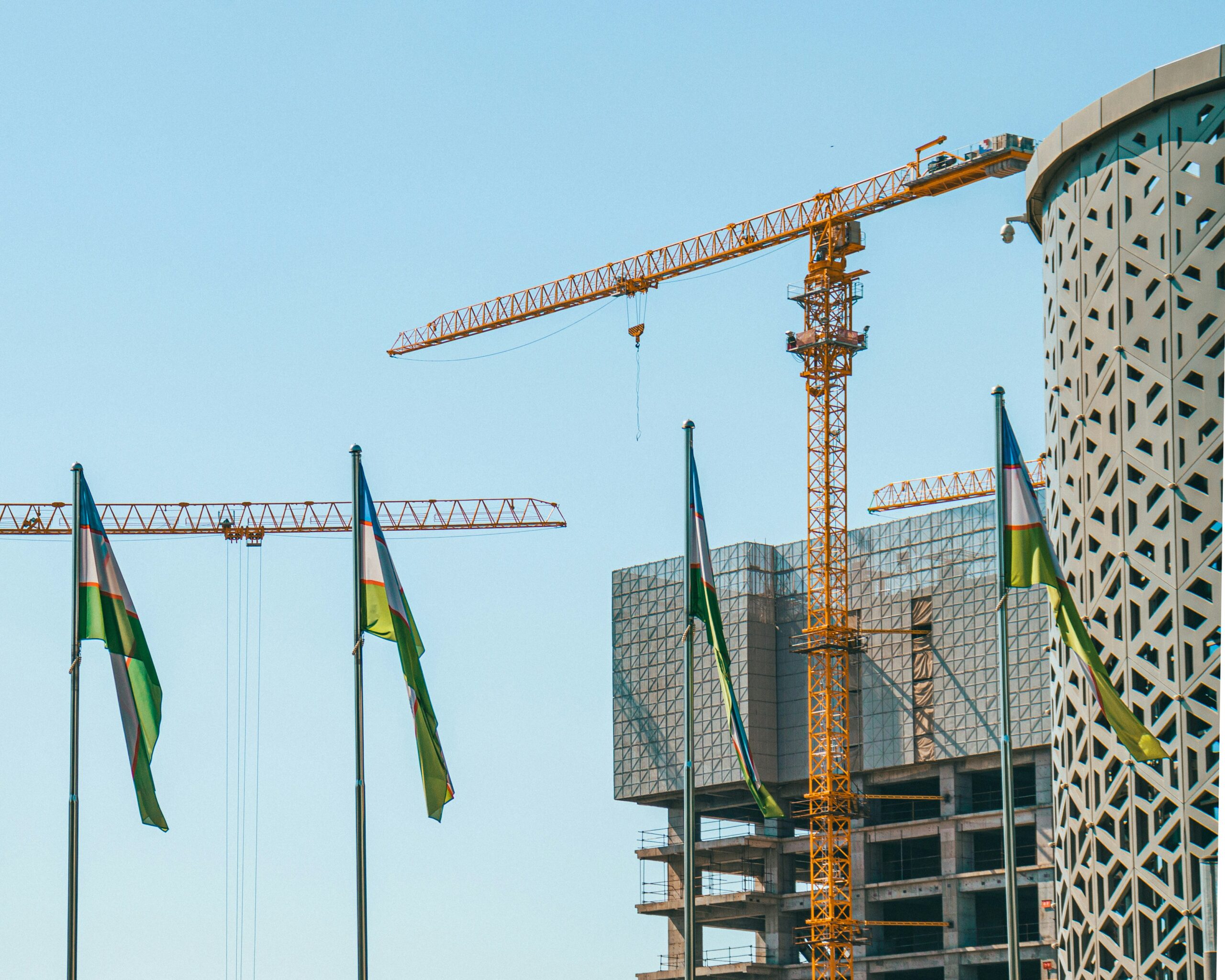
President Shavkat Mirziyoyev launched 163 industrial, service and social facilities nationwide on 25 August to mark the 35th anniversary of Uzbekistan’s independence.
The expansive infrastructure rollout represents nearly 50tn soums ($4.25bn) in total investment and construction spending. Officials estimate the developments will create 15,000 jobs and generate an additional 1tn soums ($84.9mn) in annual state revenue.
The 72 commercial projects and 91 social facilities encompass a broad swath of the economy, including energy generation, agriculture, metallurgy, automotive manufacturing and education. The initiatives are part of a wider national strategy that has seen the domestic economy grow 2.5 times over the past decade through $160bn in foreign investment.
Powering industrial growth
Energy sector additions dominate the latest tranche of projects. The country has commissioned 1,873 megawatts of new capacity to alleviate pressure on its electricity network.
The Syrdarya region leads this expansion with 1,573 MW of generating power. Karakalpakstan added a 200 MW wind power plant paired with a 100 MW energy storage system, while new facilities in the Navoi region will produce an estimated 657 million kilowatt-hours annually.
These power upgrades will support a growing manufacturing base designed to boost exports and replace imported goods. New metallurgical plants in the Samarkand and Tashkent regions aim to strengthen industrial cooperation. Meanwhile, textile, knitwear and carpet factories opening across the Andijan, Namangan and Jizzakh regions will target international markets.
The government noted that 56 major commercial sites valued at $1.7bn have already opened this year across the wider economy, generating roughly 8,800 jobs before this latest independence anniversary package.
Educational and social upgrades
A significant portion of the newly commissioned projects focuses on public services, encompassing 36 kindergartens, 43 schools, seven higher education institutions and three hospitals.
The flagship educational development is the New Uzbekistan University campus in New Tashkent. The 10-hectare complex accommodates 7,000 students and will house a new artificial intelligence institute scheduled to open on October 1. The institution also established a school for university rectors in partnership with Harvard University and an educational hub for civil servants in collaboration with Oxford University.
In Karshi, the new 400bn soum ($33.96 million) University of Economics and Pedagogy will serve 3,000 students and employ 700 staff.
Healthcare and cultural infrastructure also received substantial investment. A new medical facility in the Fergana region will treat up to 60,000 patients and conduct screenings for 30,000 women each year. In the capital, a five-storey National Library covering 30,000 square metres was unveiled. The building holds more than 200,000 books and features 28 study halls capable of hosting 1,500 readers simultaneously.
Separate from the 50tn soum ($4.25bn) package, the presidential administration confirmed that an additional 46tn soums ($3.91bn) from the state budget were allocated this year to upgrade national infrastructure. This funding covers the construction and repair of 385 schools, 113 kindergartens, 81 hospitals, 7,500 kilometres of roads and 3,200 kilometres of utility networks.