Peace and cooperation is the only way to go for Uzbekistan, Mirziyoyev says

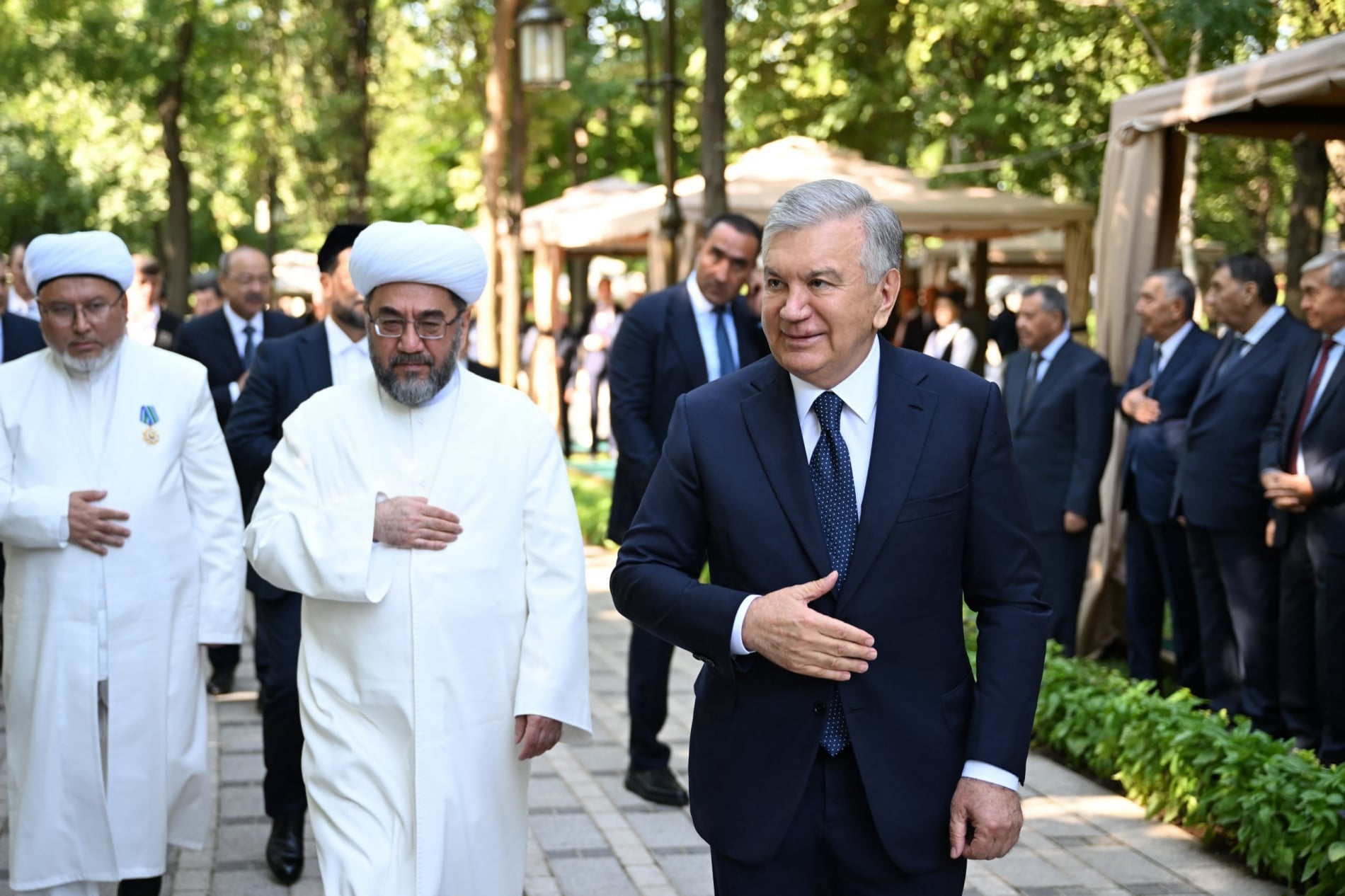
Shavkat Mirziyoyev, President of Uzbekistan, stated that the escalation of armed conflicts and political confrontations around the world, which are now spilling over into neighbouring regions, causes serious concern. This reality necessitates that citizens value peace in their country, unite even more, and live harmoniously.
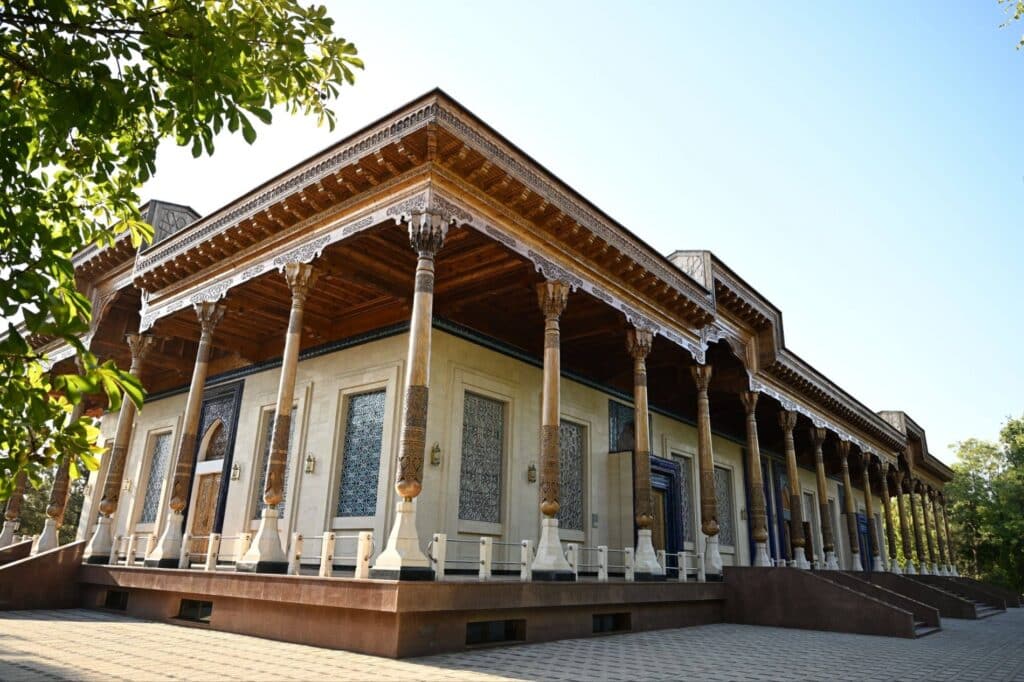
Mirziyoyev made these remarks on Friday at the Shohidlar Xotirasi memorial complex (‘Memory of Martyrs’ in English) ahead of Uzbekistan’s 35th Independence Day. The gathering brought together government officials, senior clergy and intellectuals to honour victims of Stalin’s Great Terror in the 1930s.
He noted that the 35 years of sovereignty represent immense wealth, but maintaining this freedom requires remembering past sacrifices.
Recent judicial reviews have cleared the names of thousands of victims. Between 2021 and 2025, the Supreme Court of Uzbekistan acquitted more than 1,200 citizens. This year alone, courts rehabilitated another 161 individuals who faced illegal imprisonment or execution.
Restoring historical justice
Officials also highlighted the political repressions of the 1980s, known as the «Cotton Trial» and the «Uzbek Trial.» During that decade, Soviet authorities investigated 40,000 Uzbek residents and prosecuted 5,000 on fabricated charges. The current administration pledged to continue restoring justice for those affected by these purges.
To preserve this history, the state completely reconstructed the Memory of Victims of Repression museum in Tashkent. The facility now features modern digital archives and artificial intelligence to display historical records. Regional museums also received upgrades and new artefacts sourced from abroad.
The location for the memorial complex is where the Jadids were executed en masse in the 1930s. The term refers to Muslim modernist intellectuals, educators, and reformers who lived in the late nineteenth and early twentieth centuries throughout the Russian Empire, including Central Asia and Turkistan.
Focusing on education and national pride
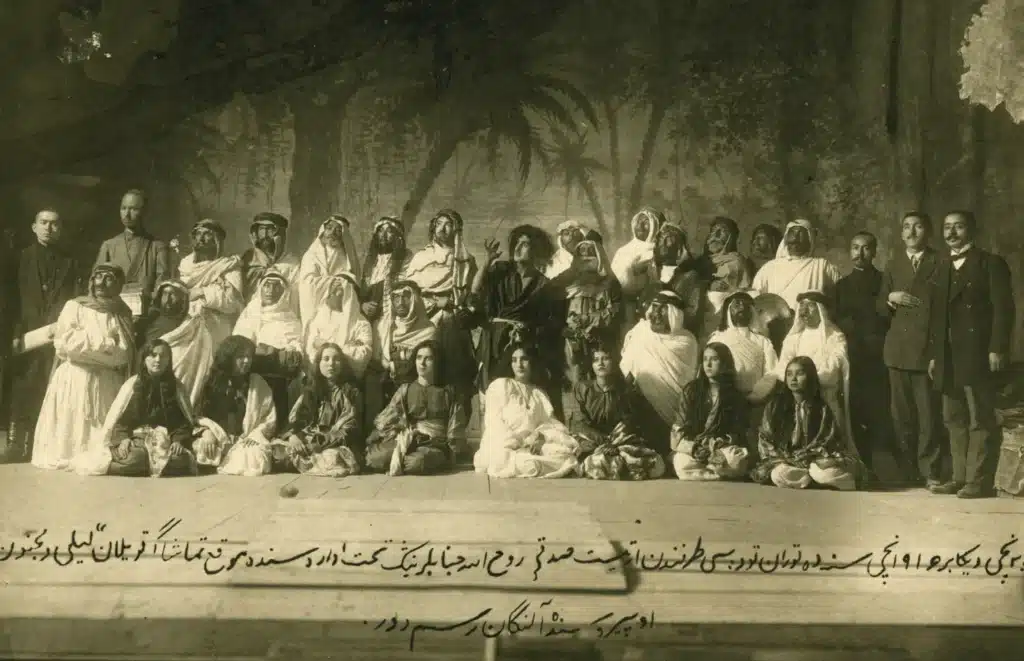
Mirziyoyev asserted that building a modern state relies heavily on education and international partnerships. He invoked the legacy of the Jadids, early 20th-century reformers who championed knowledge and national awakening, calling their methods relevant today.
The state also reported significant expansions in religious freedoms and infrastructure. More than 100,000 citizens performed the Hajj pilgrimage over the past 10 years. Meanwhile, major religious and cultural hubs have opened recently, including the Centre of Islamic Civilisation in Tashkent and the Imam Bukhari complex in Samarkand.