Apple ditches Face ID for hole-punch display on foldable iPhone Ultra

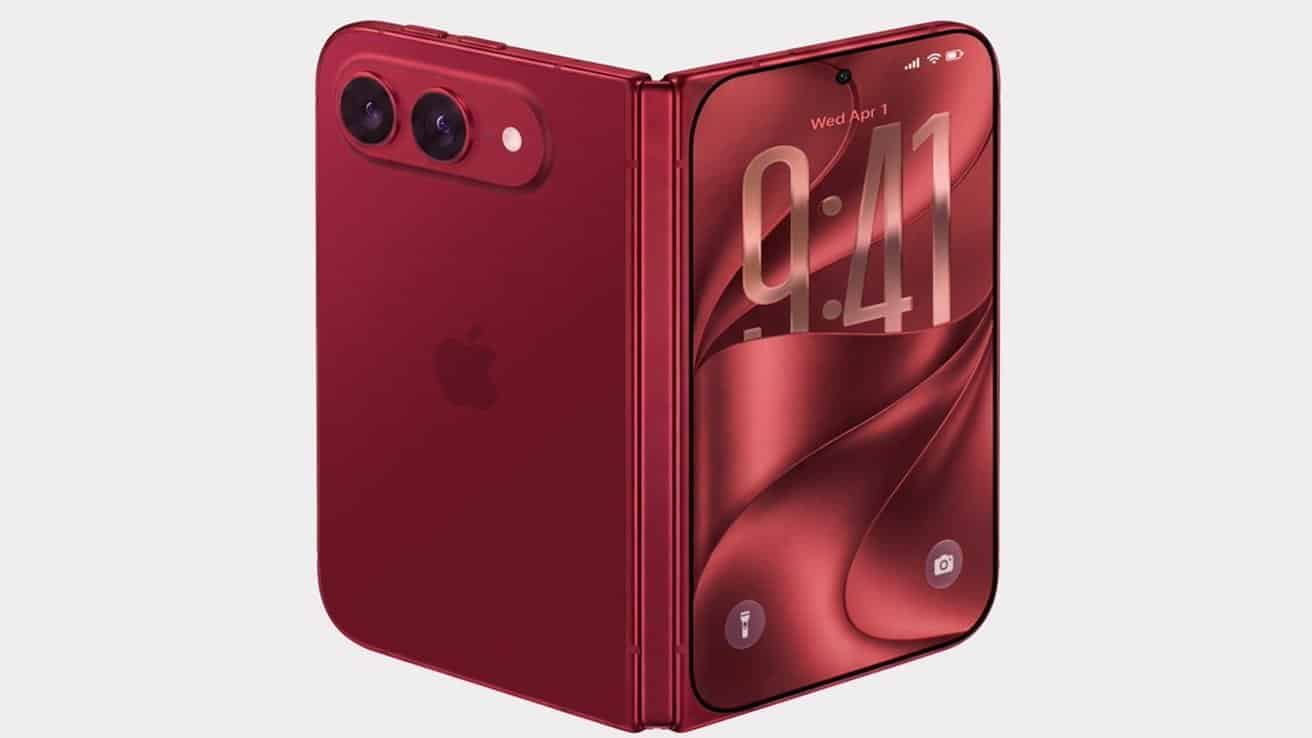
Apple is preparing to implement its most drastic design overhaul in nearly a decade with the upcoming iPhone Ultra. Set for an official unveiling on 10 September, the company’s first foldable flagship will abandon the signature pill-shaped cutout and Face ID technology in favour of a single hole-punch display.
Recent leaked images of screen covers for the iPhone Ultra and the iPhone 18 Pro series reveal a dramatic shift in Apple’s design philosophy. Since the introduction of the iPhone X in 2017, the tech giant has relied on complex facial recognition modules that required prominent screen notches. However, the pursuit of an exceptionally slim profile has forced engineers to reconsider this hardware approach for the new foldable form factor.
When fully unfolded, the iPhone Ultra measures a mere 4.5 millimetres in thickness. This extreme physical constraint makes it impossible to integrate the bulky 3D facial recognition sensors into both the internal and external displays.
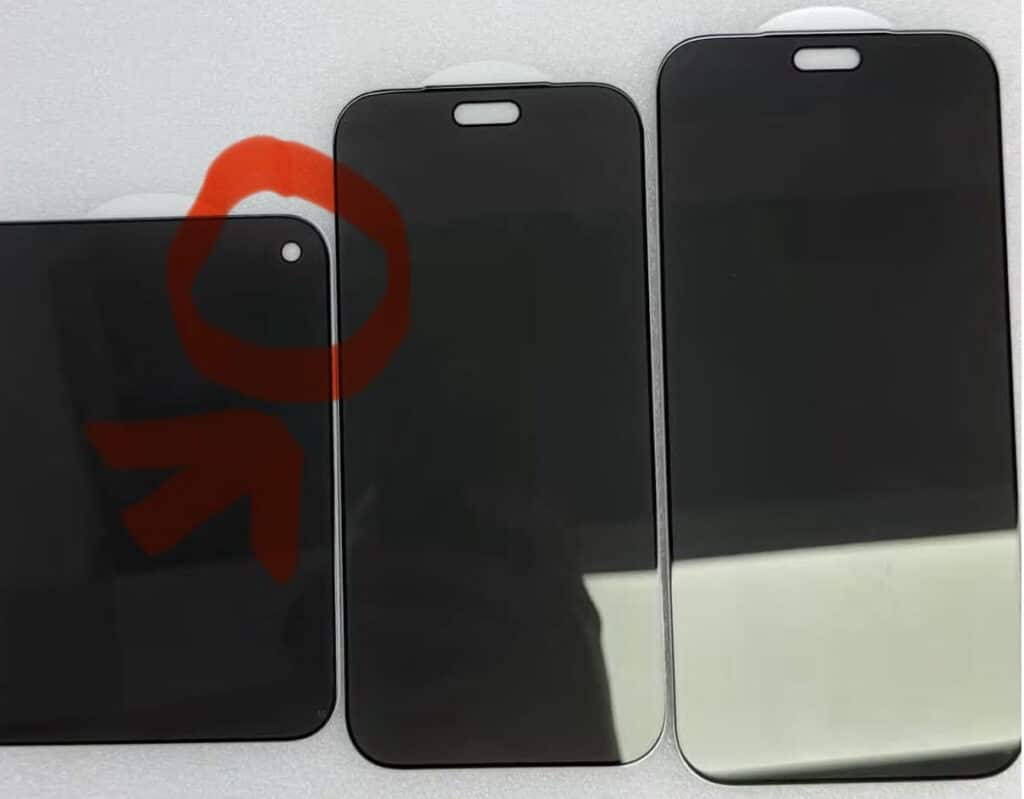
Consequently, Apple will equip its premium device with a side-mounted fingerprint scanner, marking the first high-end smartphone from the brand to launch without Face ID in seven years.
A new era of display aesthetics
The removal of the facial recognition hardware allows the manufacturer to adopt a front-facing camera layout that is heavily popularised by rival Android devices. On the iPhone Ultra, the external screen features a centred hole-punch camera at the top, while the internal folding display has its lens positioned in the upper right corner.
This transition from the controversial notch to the pill-shaped screen and now to a minimalist camera cutout highlights the unique engineering challenges associated with foldable technology.
By compromising on its proprietary authentication system, Apple has achieved a remarkably thin chassis but sacrificed a defining visual trait that previously distinguished its hardware from competitors.