Anak Krakatau ash grounds flights across Indonesia, stranding 150,000

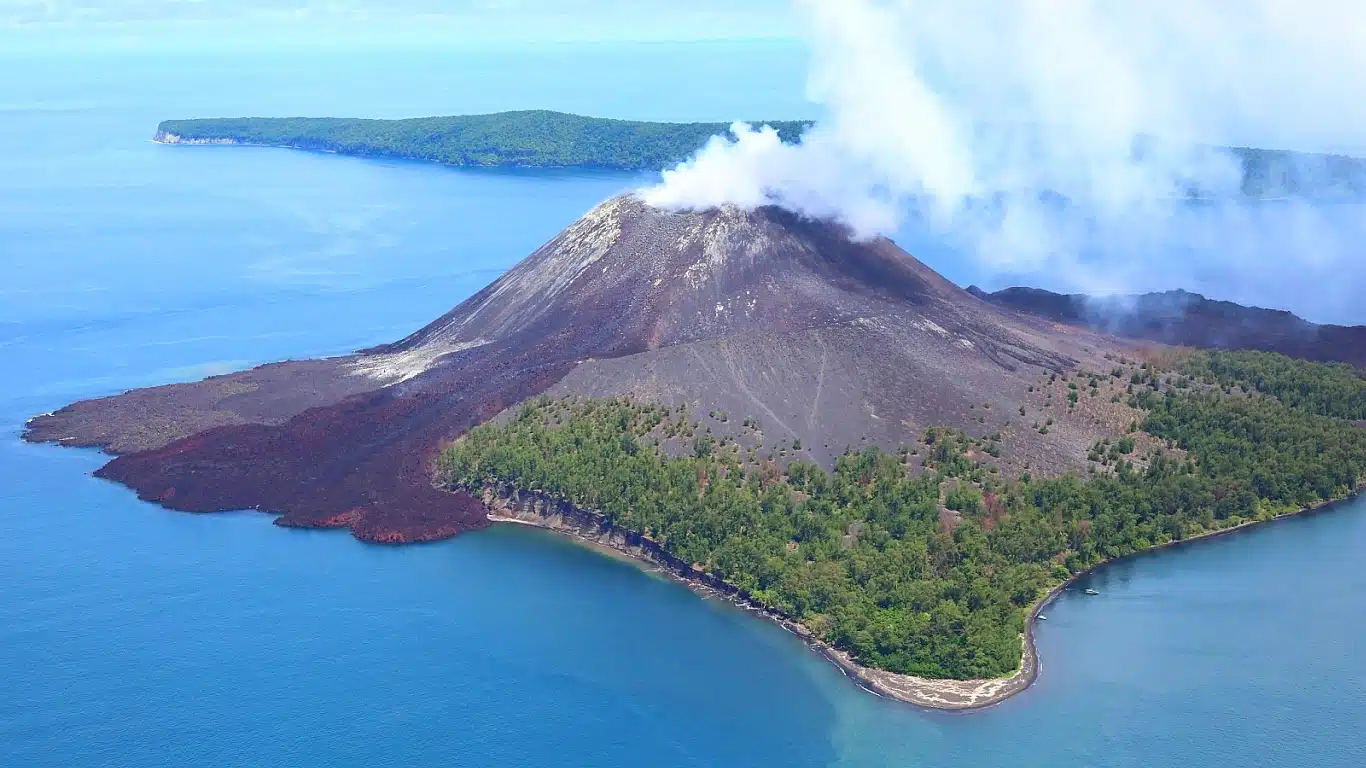
Massive volcanic plumes from Anak Krakatau forced aviation regulators to halt operations across six Indonesian air terminals on Sunday, stranding upwards of 150,000 travellers and disrupting 467 flights.
Airspace contamination prompted morning closures starting at Soekarno-Hatta International Airport serving the capital. Cancellations severely impacted key regional routes connecting Singapore, Kuala Lumpur, Sydney and Doha. Indonesian Transport Minister Dudy Purwagandhi advised air carriers to reroute active journeys and instructed management teams to process passenger refunds promptly while providing immediate status updates to prevent overcrowding inside terminal halls.
Ash plumes and health warnings
Meteorological assessments by the BMKG agency confirmed that airborne debris rose to altitudes of 20,000 feet (6,000 metres) eastwards over Java and reached 50,000 feet (15,000 metres) westwards above Sumatra. The transport ministry expanded its shutdown orders after tests verified particulate matter drifting directly across West Java province.
Geological sensors recorded continuous tremor activity, subterranean booms and lava fountains beginning late Friday, followed by two additional explosive surges early Sunday. While emergency officials confirmed no tsunami threat exists within the Sunda Strait, health authorities urged local populations to wear face masks and remain indoors to mitigate airborne risks affecting eyes, skin and respiratory systems.
The environmental impact disrupted daily routines across coastal settlements. Local media reported widespread eye irritation among residents and fishermen, prompting Saturday school closures. West Java resident Aldi Candra Prayogi described feeling particulate dust resembling sharp grains of sand in his eyes, requiring frequent eye drops and constant yard sweeping to manage thick ash accumulation.
A history of geological volatility
Anak Krakatau, situated between Java and Sumatra, emerged during the early 20th century inside the caldera formed by Mount Krakatoa’s historic 1883 eruption. The volcanic island previously suffered a catastrophic structural collapse in December 2018, shedding massive rock masses 70 to 90 metres high into the sea. That disaster generated a devastating tsunami that claimed over 400 lives and displaced thousands along nearby shores.
The island forms part of the Pacific Ring of Fire, a 40,000-kilometre (25,000-mile) horseshoe-shaped seismic belt surrounding the Pacific basin. Home to 452 active volcanoes, comprising three-quarters of the planet’s total, the region accounts for roughly 90% of all seismic events worldwide.