
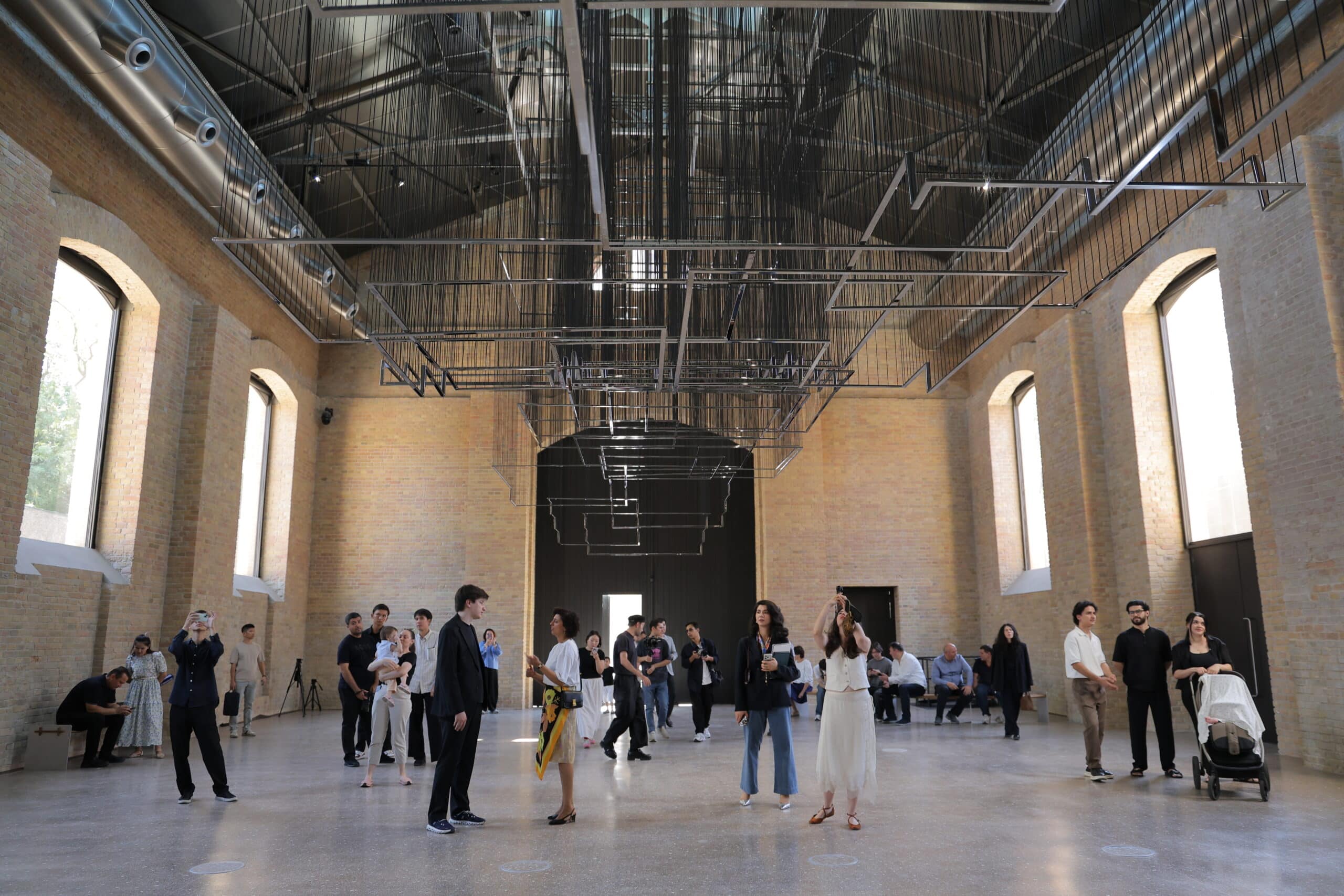
The Centre for Contemporary Art in Tashkent (CCA Tashkent) officially opened its doors on Sunday, September 6, establishing a major new cultural institution for Central Asia.
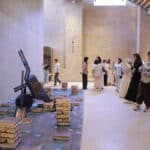
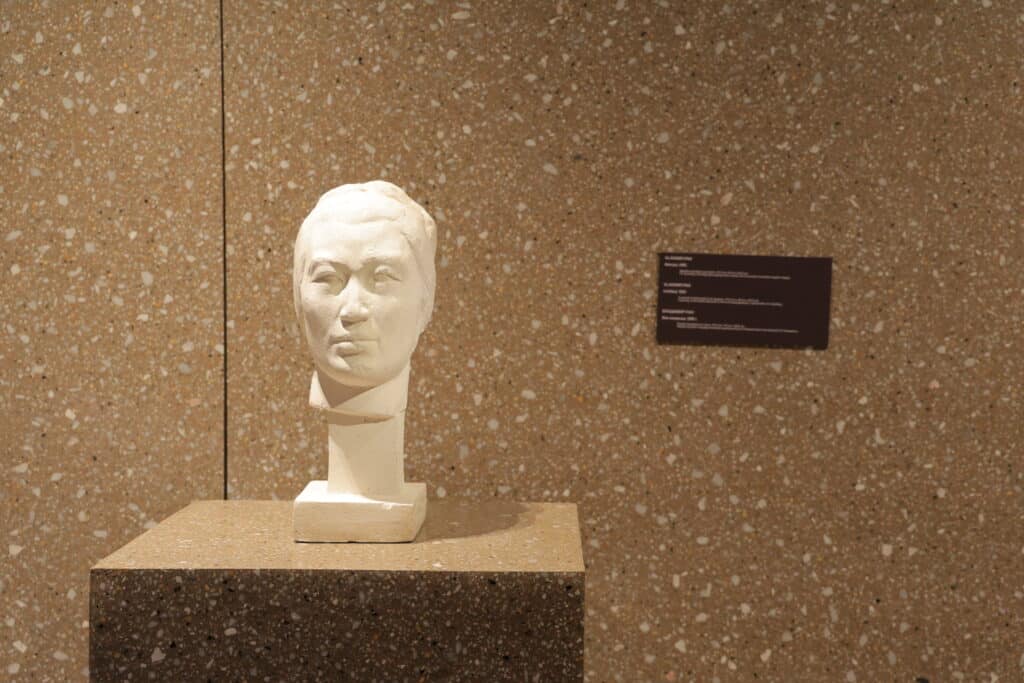
Photojournalists and art enthusiasts gathered at the site to document the opening of the new cultural institution. The inaugural day welcomed members of the public with an extensive schedule of activities, including poetry readings and film screenings showcasing works by internationally acclaimed artists Kimsooja and Ali Cherri. Attendees also gained first access to «Hikmah», the venue’s debut exhibition featuring 11 works by prominent creators from across the globe.
Exploring wisdom and spiritual transformation
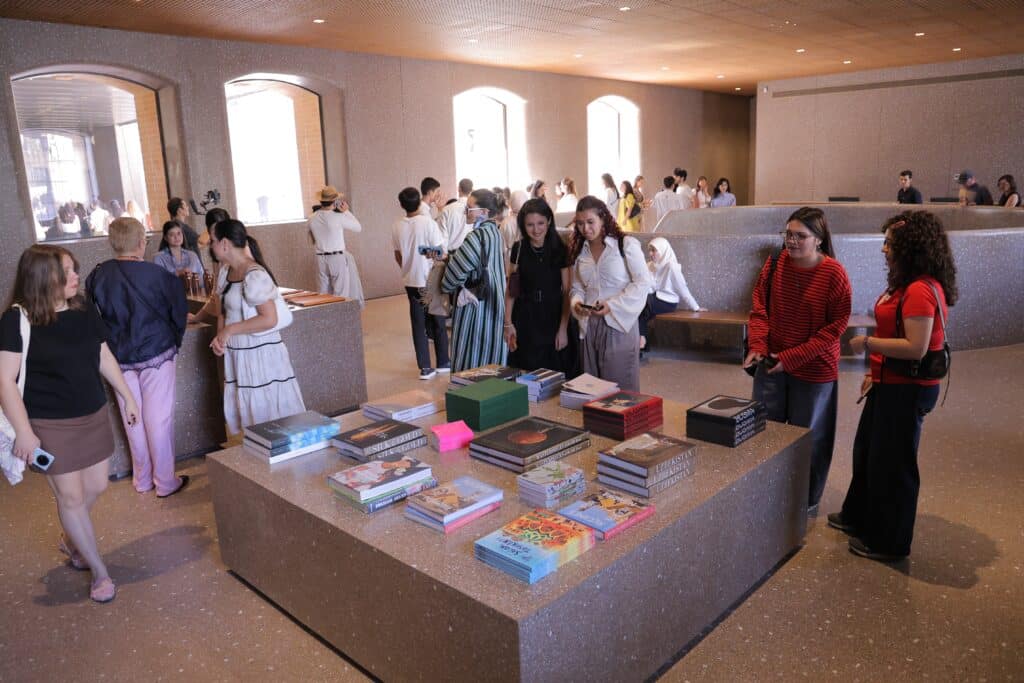
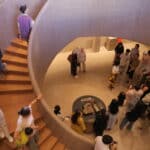
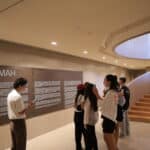
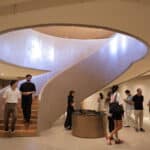
Curated by Dr Sara Raza, the core exposition explores deep philosophical concepts surrounding human insight, reason and divine intellect.
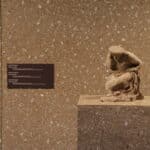
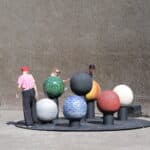
«Hikmah — the first group exhibition by CCA Tashkent senior curator Dr Sara Raza — brings together leading figures from the global art scene,» a representative for the centre stated. «Newly commissioned pieces alongside established works of art investigate ideas of wisdom, spirituality and material transformation.»
The display incorporates contributions from Ali Cherri, Nadia Kaabi-Linke, Tarik Kiswanson, Vladimir Pan and several other international artists. Admission to the exhibition remains free of charge for all visitors through to the end of January 2027, offering an accessible platform to engage with contemporary visual arts in the capital.
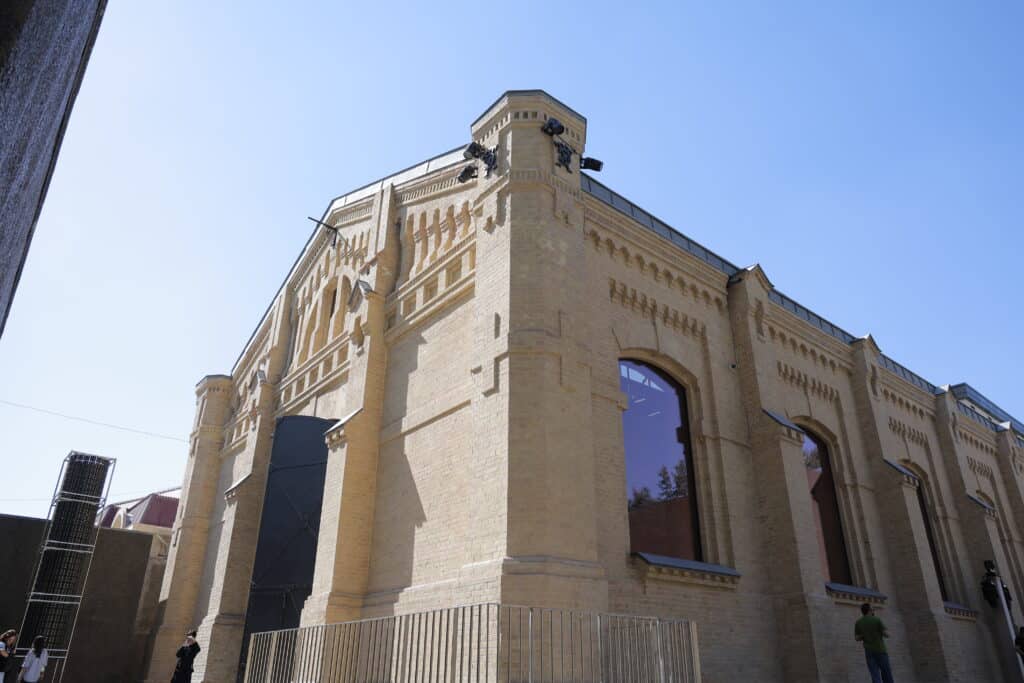

The creation of CCA Tashkent stands as a cornerstone initiative developed by the Uzbekistan Art and Culture Development Foundation. The facility holds historic distinction as the country’s first state-run contemporary art venue and represents the largest dedicated space of its kind operating across Central Asia.
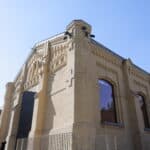
The institution occupies a prominent 1912 industrial landmark engineered by architect Wilhelm Heinzelmann. The site originally operated as Tashkent’s municipal tram depot before undergoing conversion into a diesel power station later in the 20th century.
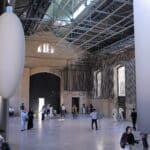
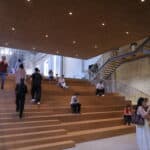
Renowned French architectural firm Studio KO directed the latest structural overhaul, repurposing the sprawling interior into a multi-functional venue for exhibitions, performances and cultural gatherings while meticulously preserving its authentic industrial architecture.