Huawei’s tri-fold launch collides with US racketeering trial

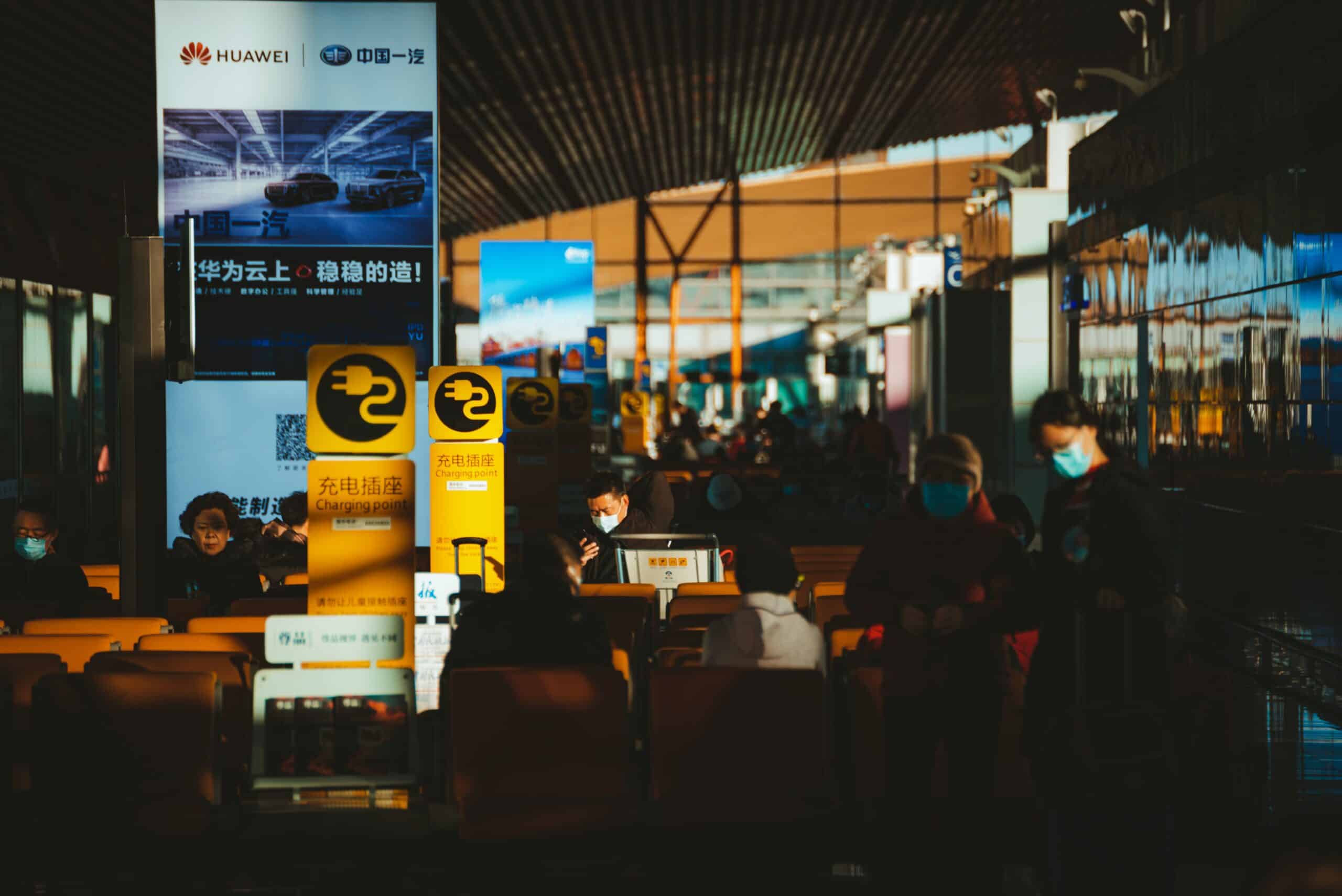
Less than 24 hours after unveiling a tri-fold smartphone priced from $2,980, Huawei faced the start of a US criminal trial over allegations including racketeering conspiracy, trade-secret theft, fraud and sanctions violations.
Jury selection was due to begin on Tuesday in Brooklyn federal court, AP reported. Huawei has pleaded not guilty and denies wrongdoing.
The case originates from a 16-count superseding indictment filed in 2020 against Huawei and several subsidiaries. The 2020 indictment alleges broader efforts to misappropriate intellectual property involving six US technology companies.
The alleged targets included technology for internet routers, smartphone antennas and phone-testing robots. The US Department of Justice maintains that Huawei employees allegedly received encouragement to obtain competitors’ confidential information and could receive bonuses for doing so.
Read more: Huawei launches 0.8kg MateBook Pro S running HarmonyOS
Huawei US trial centres on trade-secret and Iran allegations
Prosecutors allege that Huawei concealed its control of Skycom, a Hong Kong company that sold telecommunications equipment in Iran, as part of a scheme involving bank and wire fraud, prosecutors say. Huawei used global banks to process transactions while misrepresenting Skycom as an independent business partner, according to the indictment.
Further allegations concern business conducted in North Korea, and the indictment also alleges that Skycom assisted the Iranian government with domestic surveillance during demonstrations in Tehran in 2009. All remain allegations to be proved at trial.
Huawei launched its Mate XT2 on Monday as it battles Apple for China’s premium smartphone market. According to Reuters, Huawei led China’s overall smartphone market with a 22.6% share in the second quarter and accounted for 68% of domestic foldable shipments.
Read more: Apple develops China-specific AI model as Huawei gains ground
Meng Wanzhou’s Iran statement follows Huawei into court
Huawei chief financial officer Meng Wanzhou, the daughter of founder Ren Zhengfei, is not a defendant in the trial.
As part of a 2021 deferred prosecution agreement, Meng agreed to the accuracy of a statement of facts acknowledging that she had made materially misleading statements to a financial institution about Huawei’s relationship with Skycom and its Iran operations.
She was arrested in Canada in 2018 and battled extradition for nearly three years. Meng returned to China after entering the deferred prosecution agreement. US prosecutors subsequently dismissed the charges against her after the agreement’s term expired
Read more: Huawei prepares global HarmonyOS rollout as ecosystem tops 400,000 apps
Huawei argues that the prosecution is politically motivated and that some alleged conduct occurred outside US jurisdiction. Its lawyers have also challenged the fraud allegations and described parts of the indictment as insufficiently specific.
