Galaxy Z Fold 8’s flimsy screen works exactly as it should, Samsung insists

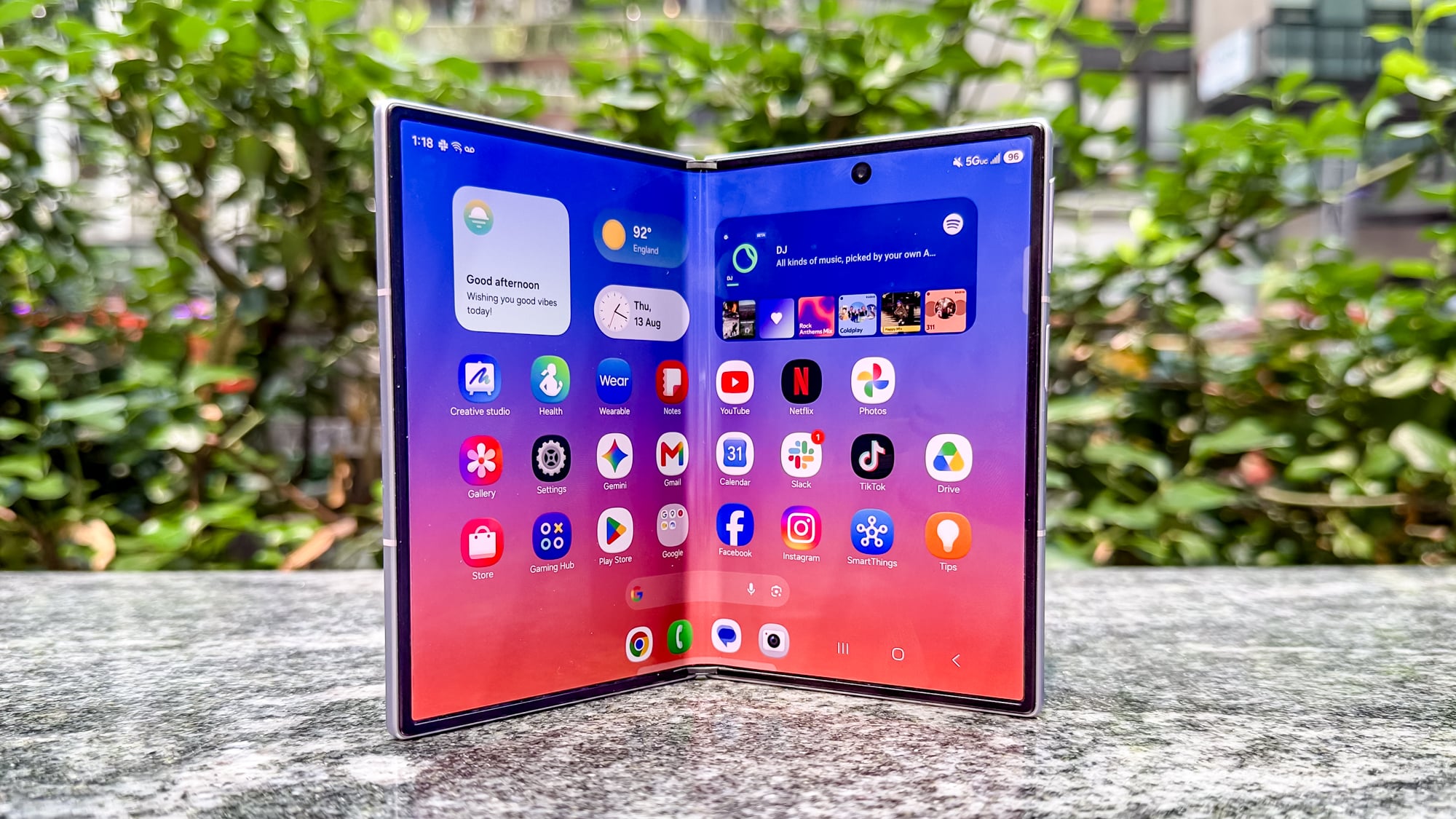
Samsung has dismissed defect claims surrounding the Galaxy Z Fold 8, clarifying that the compressible corners on the main folding panel are an intentional structural choice rather than a manufacturing error.
Debates over the smartphone’s build quality emerged on official European message boards after a consumer noticed the display margins depressing under light pressure during routine cleaning. As similar video clips circulated across social media platforms, buyers began questioning the high-end device’s durability and overall design integrity.
However, company spokespeople and hardware analysts note that this malleability is essential for modern foldable electronics to function properly. To allow the handset to shut completely without shattering, the components bordering the outer frame must remain significantly softer than the display’s core.
While this spongy texture feels foreign compared to traditional rigid glass panels found on standard smartphones, it does not compromise the phone’s lifespan or daily operation.
Upgraded durability meets polymer limits
The Z Fold 8 debuts a fresh titanium-based support structure positioned directly beneath the OLED layer to reinforce the delicate tech. This metallic architecture drastically stiffens the device compared to previous plastic-heavy iterations, hiding the middle groove more effectively and boosting overall resilience against drops.
Third-party laboratory testing supports these robust marketing claims. The device boasts an IP48 certification against moisture and grit, alongside a reinforced hinge engineered to survive half a million open-and-close actions without breaking or losing its tension.
Despite these substantial internal upgrades, the uppermost surface still relies on soft polymers that remain vulnerable to permanent physical indentations. Because of these chemical realities, official guidelines urge buyers to keep the original protective film attached and to refrain from pushing aggressively on the screen’s extremities. Anyone suspecting genuine hardware faults should seek help from certified technicians rather than intentionally testing the flexible panel’s physical limits.