Uzbekistan’s exchange rate to capture more bank trading

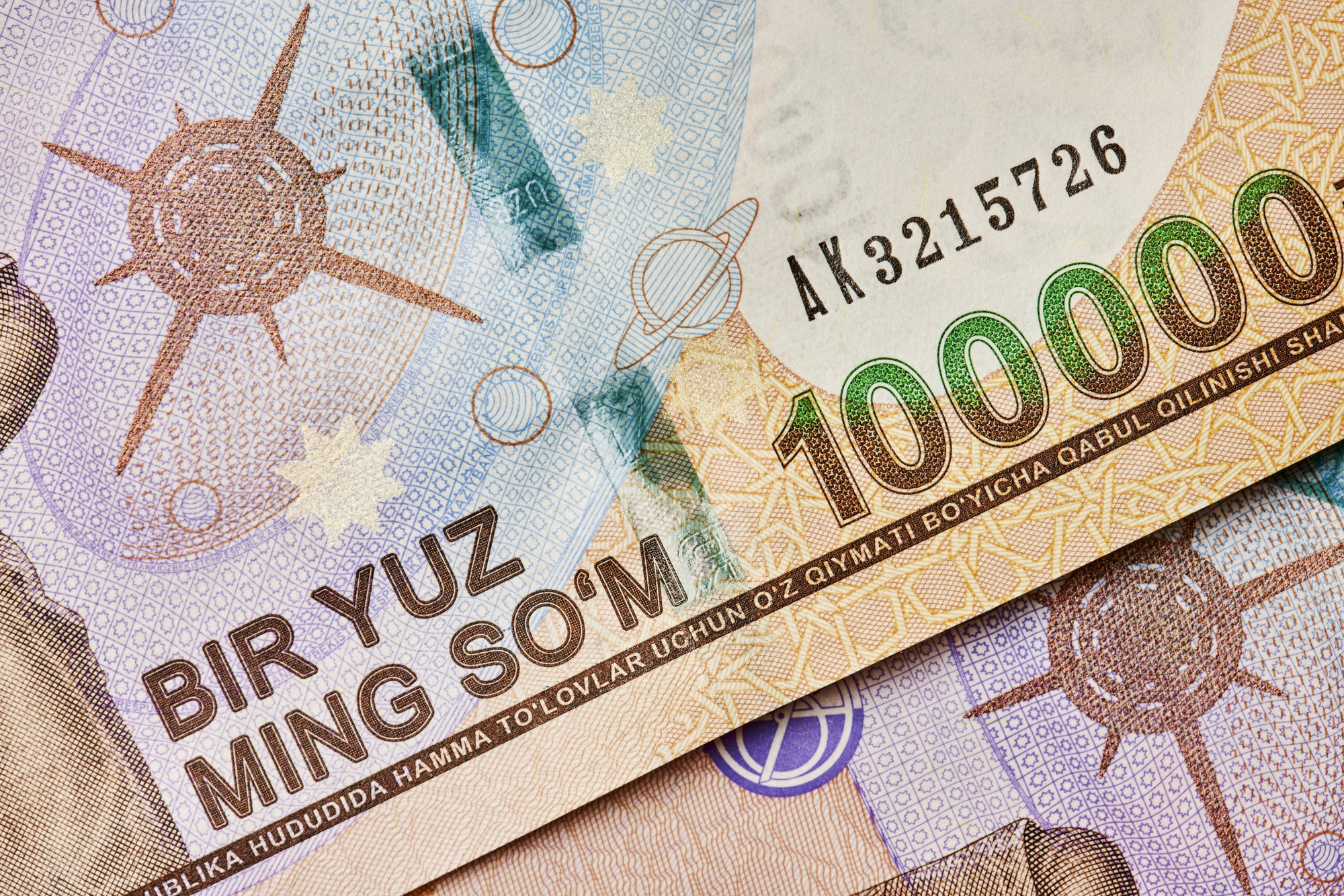
Starting September 15, Uzbekistan will count direct trades between banks when calculating its official exchange rate, broadening a benchmark used for customs payments and company accounts. The change will incorporate transactions outside of the currency exchange into the daily calculation.
The Central Bank announced on 10 September that it will combine exchange-based transactions with deals agreed directly between banks, using a weighted average. It expects the wider pool of trades to give a more accurate picture of the domestic currency market.
The official rate is used for accounting, reporting foreign-currency transactions, and calculating customs and other mandatory payments, according to the bank’s exchange-rate guidelines.
Read more: Uzbekistan dominates regional venture deals, but exits lag
More trades behind the headline rate
The reform also covers non-working days. On Saturdays, Sundays and holidays, the official rates published after the latest working day will apply. For a normal weekend, that means carrying Friday’s published rates through both days.
Incorporating direct interbank transactions should make the benchmark more representative by capturing prices agreed upon outside the exchange. That is the practical logic behind the change: a more comprehensive understanding of what banks actually pay for currency.
However, the announcement gives no estimate of how much these additional trades could alter the published rate. It provides no basis for predicting whether the sum will strengthen or weaken when the method changes.
Read more: Uzbekistan soum bonds to enter J.P. Morgan emerging markets index
