Developing countries deserve more from IMF & World Bank — BRICS

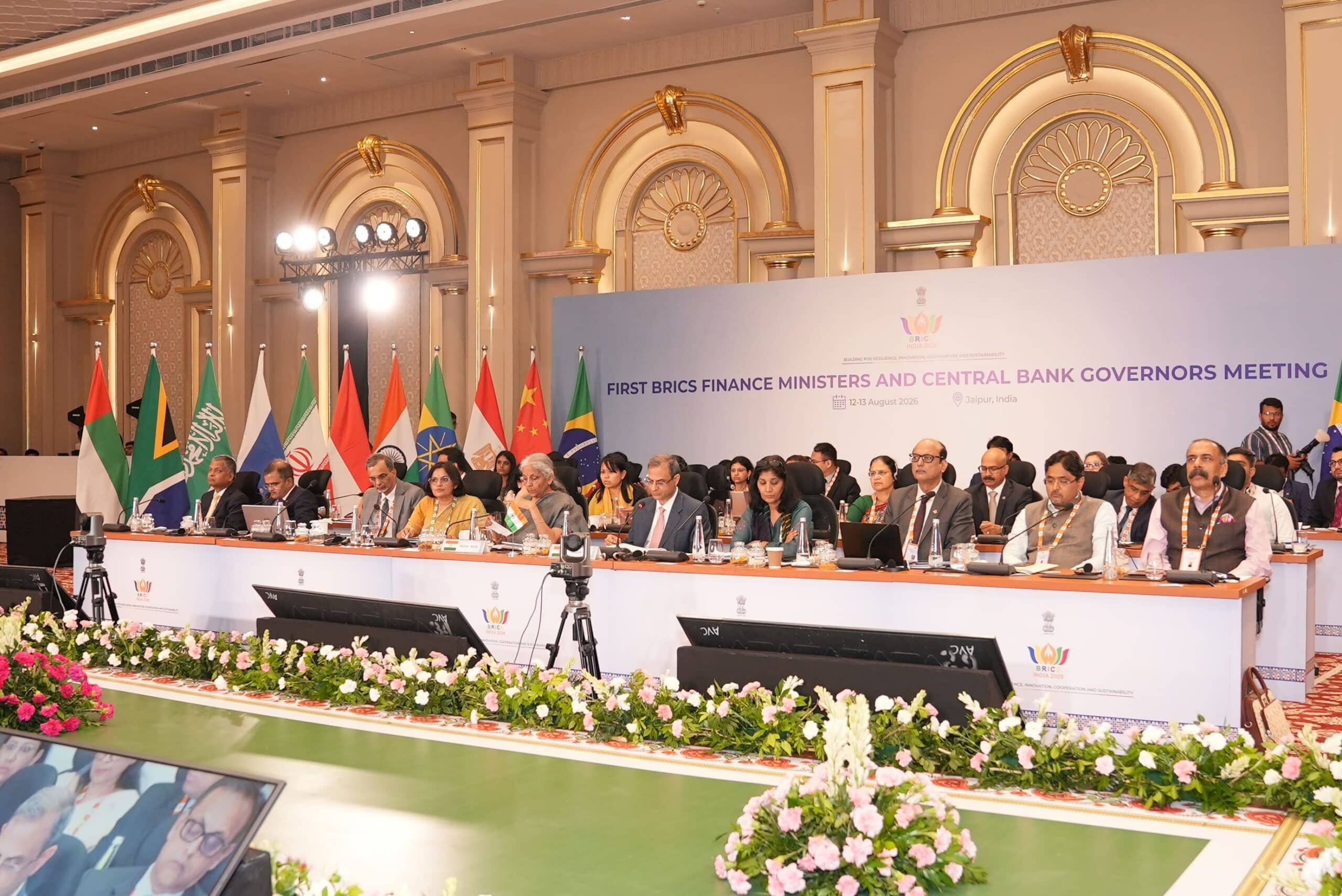
BRICS finance chiefs have renewed demands for greater influence at the International Monetary Fund (IMF) and the World Bank, seeking changes to voting power and how their leaders are chosen.
A joint statement by BRICS finance ministers and central bank governors, released on Friday, sought stronger representation for developing economies and transparent, merit-based leadership appointments.
The BRICS finance executives believed that the «quota realignment should reflect countries’ relative positions in the global economy, increase the quota and voting shares of [Emerging Markets and Developing Economies] and should not come at the expense of developing countries.»
This argument at the IMF centres on quotas, which determine each country’s voting power, financing access, and reserve-asset allocation. Changing them affects influence and support.
BRICS countries should continue to advance «the increased voice and representation of developing countries, underpinned by a shareholding realignment that corrects their historic underrepresentation,» the signatories asserted.
The call followed a meeting of finance ministers and central bank governors in Mumbai on Thursday.
Read more: Russia makes its choice on WTO, IMF and World Bank membership
More money, same power balance
In December 2023, IMF governors approved a 50% quota increase designed to strengthen the fund’s permanent resources and reduce reliance on borrowing. The increase was allocated in proportion to existing quotas, preserving countries’ relative shares.
BRICS wants the implementation of that increase alongside a redistribution in the next review. The bloc has consistently challenged the longstanding convention of European leadership at the IMF.
Read more: IMF urges Caucasus and Central Asia to overhaul fiscal policies
BRICS’ demand needs wider backing
BRICS cannot influence the quota adjustments, as it requires backing from members representing 85% of IMF voting power. A country’s own quota cannot change without its consent.
The IMF has itself acknowledged the need to realign shares while protecting its poorest members. The unresolved question is how to divide influence among countries with competing interests.
Uzbekistan is also widening its financing options. In May, it ratified its accession agreement to the BRICS-founded New Development Bank, which finances infrastructure and sustainable development projects.
Read more: President Mirziyoyev ratifies Uzbekistan’s accession to the BRICS New Development Bank