Blizzard unveils Plague Knight class for Diablo V in a post-apocalyptic world

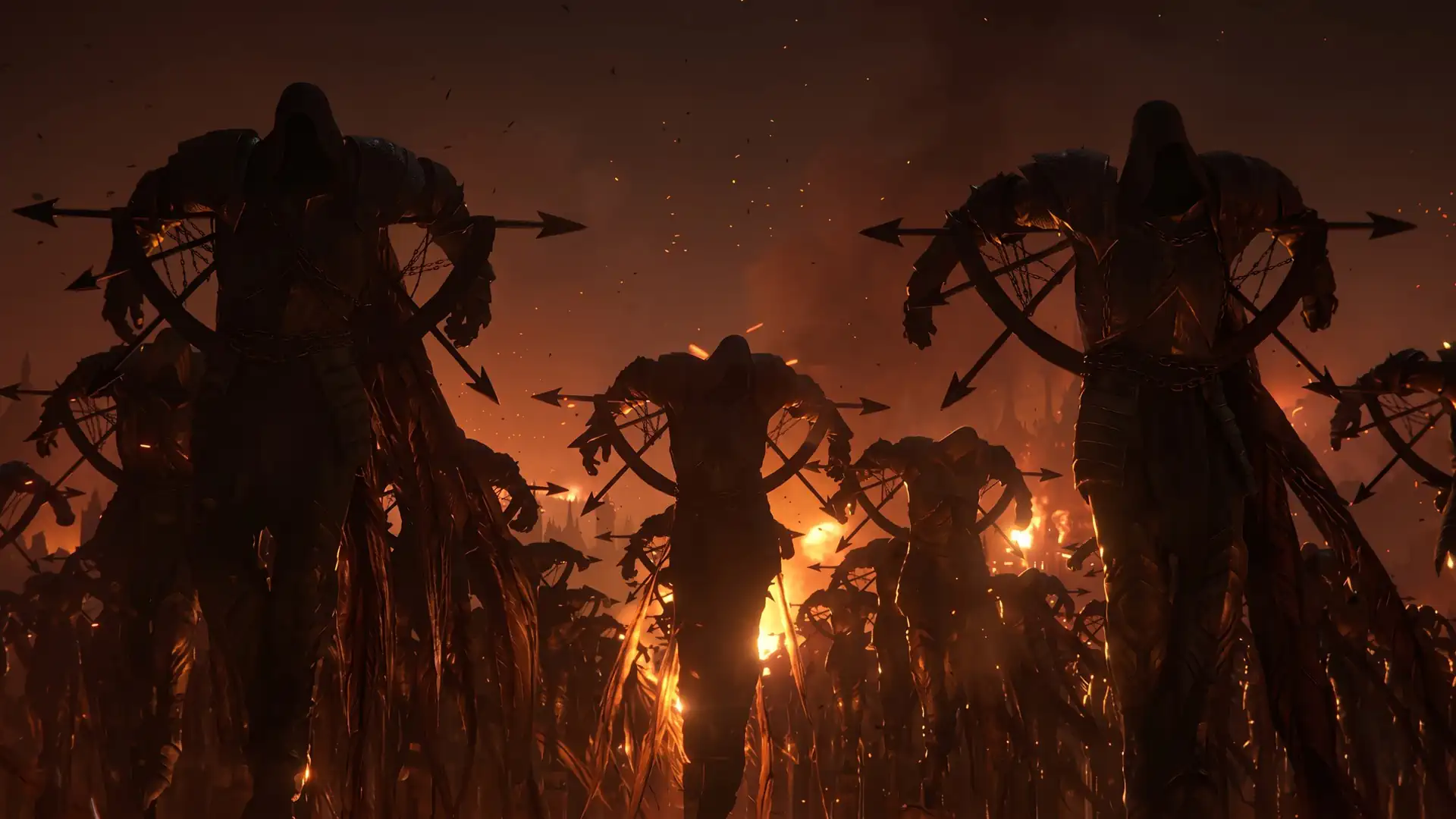
Blizzard Entertainment has revealed the Plague Knight as the first new playable class for the upcoming action role-playing game Diablo V. Game director Joe Shely described the heavily armoured character as «walking death» during the BlizzCon 2026 presentation. The class employs a distinct combat loop by spreading diseases across the battlefield and subsequently consuming those afflictions to boost its own power.
While developers withheld gameplay footage for the Plague Knight they confirmed it will join returning classes such as the Monk and Demon Hunter. Diablo 5 is scheduled for a spring 2029 release and promises to launch with more playable classes than any previous post-DLC entry in the franchise.
Each character class will feature multiple distinct builds to accommodate varied playstyles. Players can also expect the return of classic mechanics including a belt equipment slot and the traditional grid-style inventory system.
Post-apocalyptic setting and caravan mechanics
The sequel abandons traditional fantasy tropes for a bleak post-apocalyptic setting. Taking place 100 years after the events of Diablo IV the narrative explores a reality where the realm of Sanctuary has fallen and the titular demon has achieved definitive victory. The storyline forces players to confront what humanity should become after their civilisation has already been destroyed.
This desolate environment directly impacts game progression. Rather than visiting populated towns with static quest givers players will travel with an upgradable caravan. This mobile base houses a single blacksmith who features heavily in the narrative through extensive side quests. In a departure from franchise tradition the iconic Treasure Goblin will also join the player’s encampment as an ally.
Beyond the caravan the outer world and dungeons will rely entirely on procedural generation. Blizzard has not yet announced which platforms will support the game but the six-year development cycle indicates a significantly faster turnaround compared to the 11-year gap between the third and fourth instalments.
