Tashkent’s new $2.5bn airport to relocate Muslim, Korean and Russian cemeteries

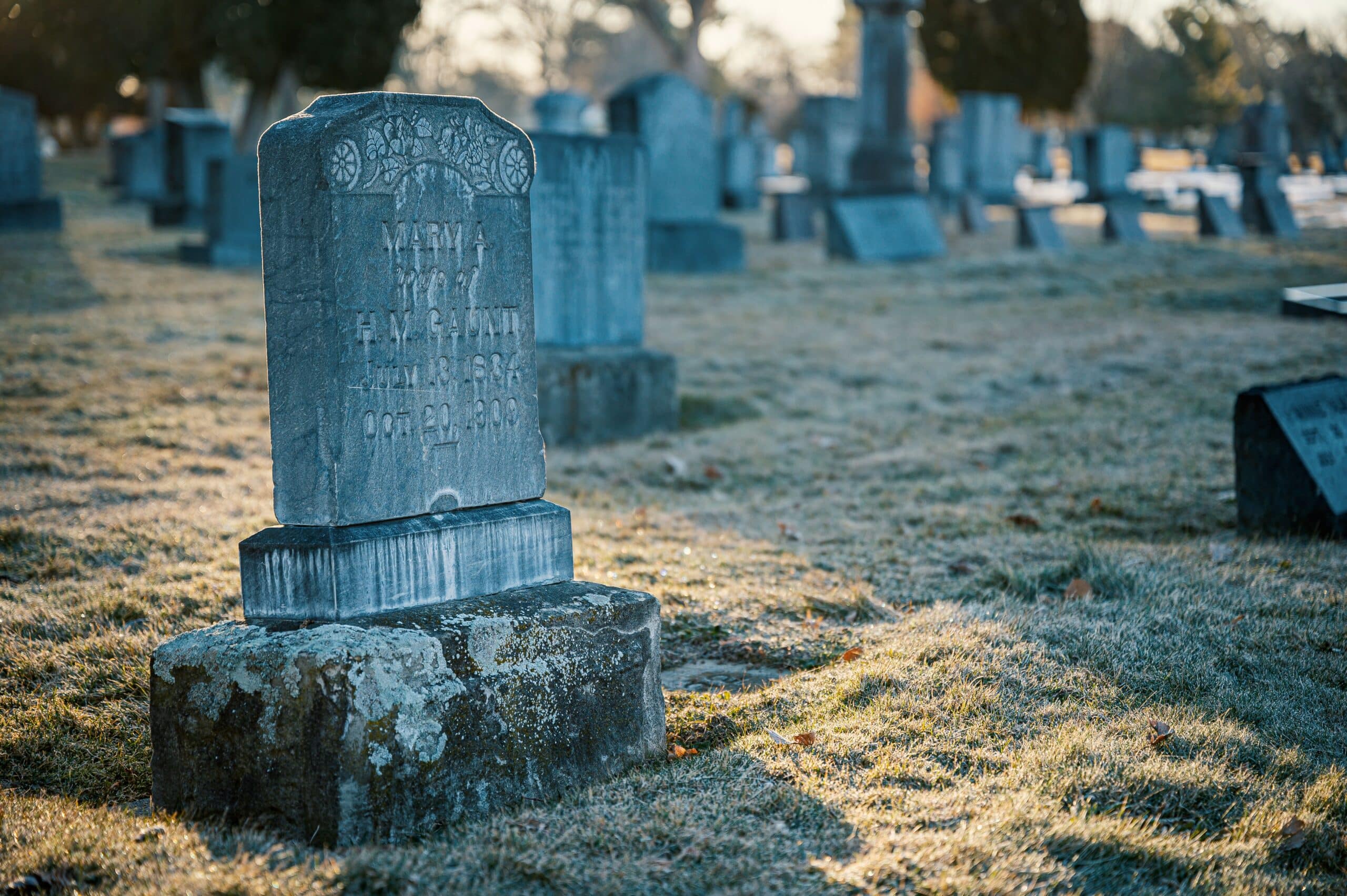
The cemeteries include Muslim, Korean and Russian Christian burial sites. All seven are to be moved from the construction zone of a new international airport in Tashkent. The ruling exposes a rare and sensitive consequence of Uzbekistan’s multibillion-dollar aviation project.
Please note that this article contains disturbing information.
Tashkent regional governor Zoyir Mirzayev approved the relocation on 15 September, according to the original decree reviewed by Kursiv Uzbekistan. The burial grounds lie in the adjacent neighbourhoods where the new airport will occupy roughly 1,300 hectares of land.
Mirzayev’s relocation order covers two Muslim cemeteries, three Korean burial grounds, one Russian Christian and one unspecified graveyard. The document maintains that burials at the affected sites «stopped long ago.»

Read more: New Tashkent airport with 20mn passenger capacity set to launch by 2030
What happens to the graves?
Citing an opinion from the Muslim Board of Uzbekistan, it says land may be used where there are grounds to believe that buried remains have decomposed into the soil. Where human remains are discovered during grave openings, they must be collected and reburied in other cemeteries.
The authorities have already designated active cemeteries for the reburials.
The decree instructs municipal authorities to work with local residents and relatives of those buried, aiming to remove the sensitivity of clearing burial grounds for infrastructure by ensuring that reburials follow religious customs and that the process is formally documented.
Sanitary authorities have been ordered to supervise exhumations and reburials.
Read more: Ticket to London: How much Uzbekistan Airways can raise in IPO
Airport partner will cover relocation costs
The decree requires the airport project’s private partner to pay for cemetery relocation, reburials, and landscaping.
Saudi Vision Invest, Japan’s Sojitz, and South Korea’s Incheon International Airport Corporation are developing the airport in a public-private partnership. In June, Uzbekistan Airports announced that foreign investors would build and manage the main passenger terminal while the state maintained airfield infrastructure.
The airport is one of Uzbekistan’s largest infrastructure projects. Its first stage is valued at $2.5bn and is designed to handle up to 20mn passengers and 129,000 tonnes of cargo annually once completed, according to the president’s office.