Marco Rubio is going to Uzbekistan in October. This is his first Central Asia trip

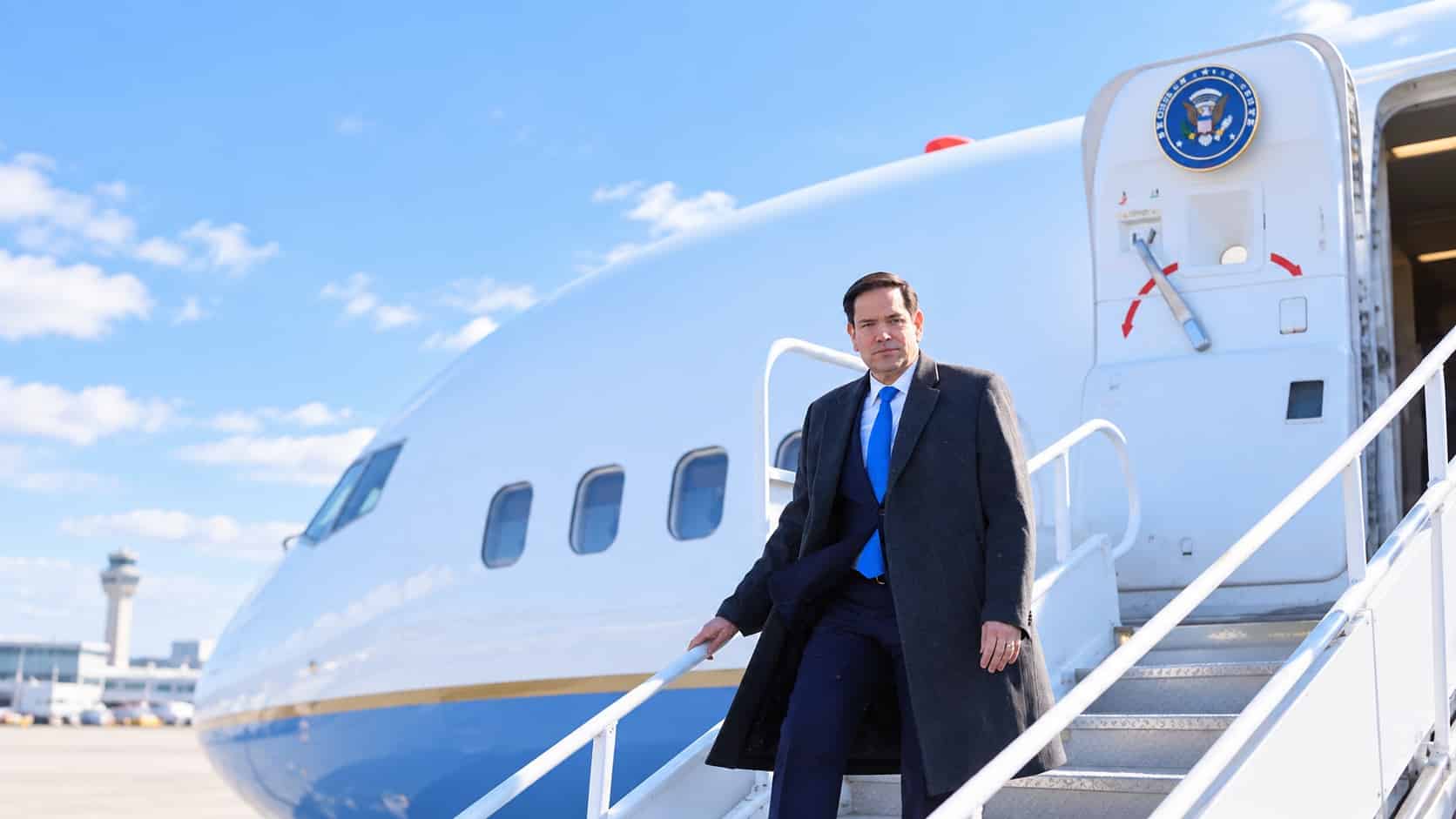
The US Embassy in India announced that Secretary of State Marco Rubio will be leading a business delegation to Samarkand, Uzbekistan, in mid-October. Commercial ties will be the focal point of Washington’s diplomatic outreach to the country and the broader Central Asia during the visit.
The announcement first came from Sergio Gor, the US special envoy for South and Central Asia, who described the visit by the delegation as «historic.»
Gor said that the delegation, led by Rubio, would include executives from more than 100 American companies. The visit to Samarkand, scheduled for mid-October, will revolve around the C5+1 ministerial meeting with foreign ministers of Kazakhstan, Kyrgyzstan, Tajikistan, Turkmenistan, and Uzbekistan.
What the C5+1 meeting will focus on
«The discussions will focus on deepening regional economic connectivity, enhancing energy security, and promoting collaborative solutions to shared regional priorities under the C5+1 framework,» Gor confirmed.
Rubio had signalled his intention to visit the region in November 2025, ahead of the C5+1 summit in Washington. At the time, he said he wanted to travel to all five Central Asian countries in 2026, potentially spending a week or longer on the trip.
Trade policy on the agenda
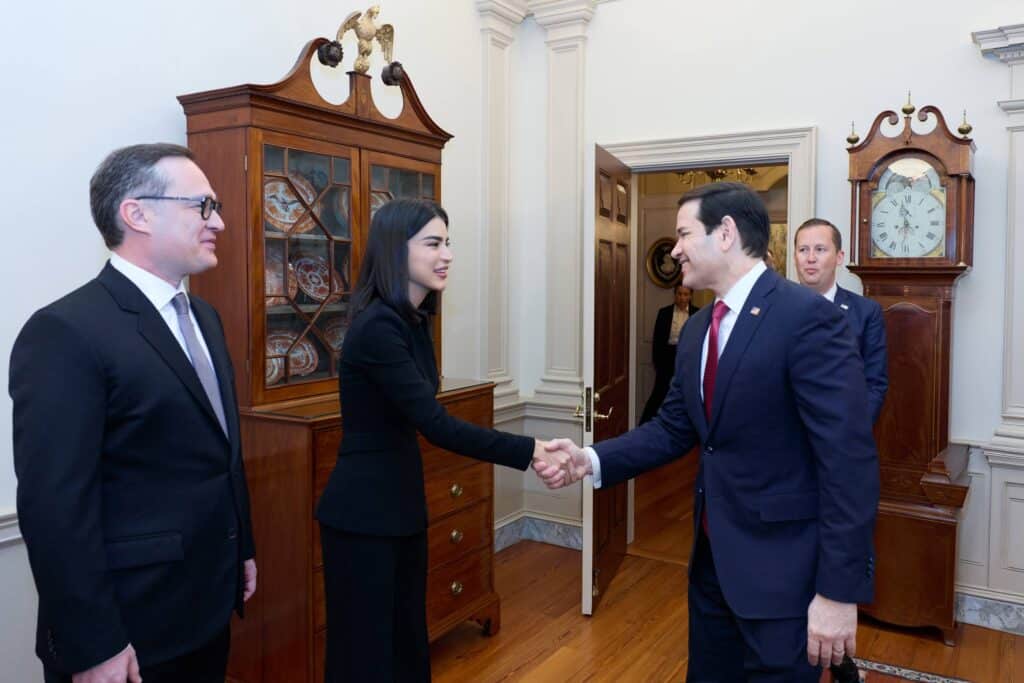
In June, Rubio told US lawmakers that the Trump administration supported repealing the Jackson-Vanik amendment for Central Asian countries. The Cold War-era provision connects US trade treatment to freedom to emigrate.
Read more: US administration backs repeal of Jackson–Vanik restrictions for Central Asia
That earlier position provides context for Washington’s October mission, which includes both bringing businesses to the region and reconsidering the rules governing their commercial relationships.