The Witcher 3 remastered: Visuals and gameplay mechanics get overhaul

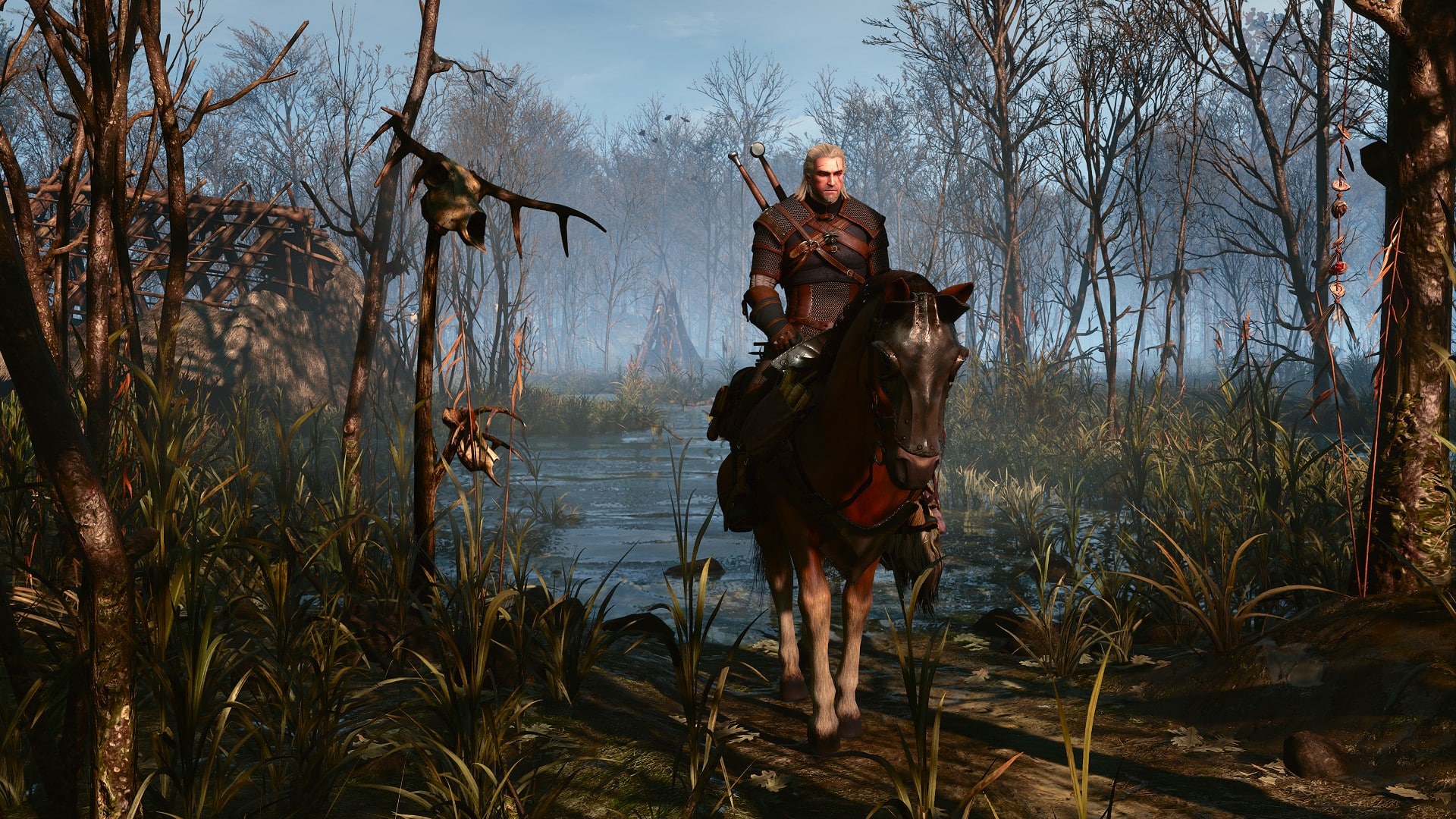
CD Projekt Red has completely overhauled its defining role-playing game with The Witcher 3 Remastered.
The 45-gigabyte software update introduces extensive technical improvements, structural gameplay changes and new control schemes across all platforms. These extensive changes also incorporate previous expansions into the base game and prepare for the upcoming 2027 add-on «Ballads of the Past».
The development team implemented significant graphics processing upgrades tailored to the latest hardware capabilities. PC players gain access to path tracing and ray-traced hairworks, supported by the newest generation of upscaling technologies, including Nvidia DLSS 4.5, AMD FSR 4 and Intel XeSS 2.0. Console architecture also receives bespoke enhancements.
The PlayStation 5 Pro utilises PlayStation Spectral Super Resolution to deliver 60 frames per second with ray tracing enabled, as well as variable refresh rate support and uncapped frame rates.
Overhauled progression and mod support
Beyond the visual improvements, the remaster fundamentally alters how players build their characters. The developer entirely reorganised the skill screen into a more intuitive tree layout. Skills now feature three ranks and require unlocking prerequisite abilities rather than spending a predetermined number of points. This complete rebalance forced a reset of all player skill points upon installing the update.
Quality-of-life adjustments further modernise the title. A new timelapse meditation replaces the previous static menu screen, enhancing overall immersion. The studio also integrated cross-platform mod support powered by mod.io directly into the main menu, allowing console players to seamlessly browse and install community creations.
Additional features include equipment transmogrification, revamped mount handling and overhauled looting mechanics that streamline item collection.
The remaster is available as a free patch for existing owners on PC, PlayStation 5 and Xbox Series consoles, while launching as a standalone project for the Nintendo Switch 2. The Switch 2 version introduces hardware-specific inputs, allowing players to use motion controls for camera adjustments and a connected mouse for inventory navigation.