In surprise move, Samsung makes Galaxy S26 series pricier for Americans

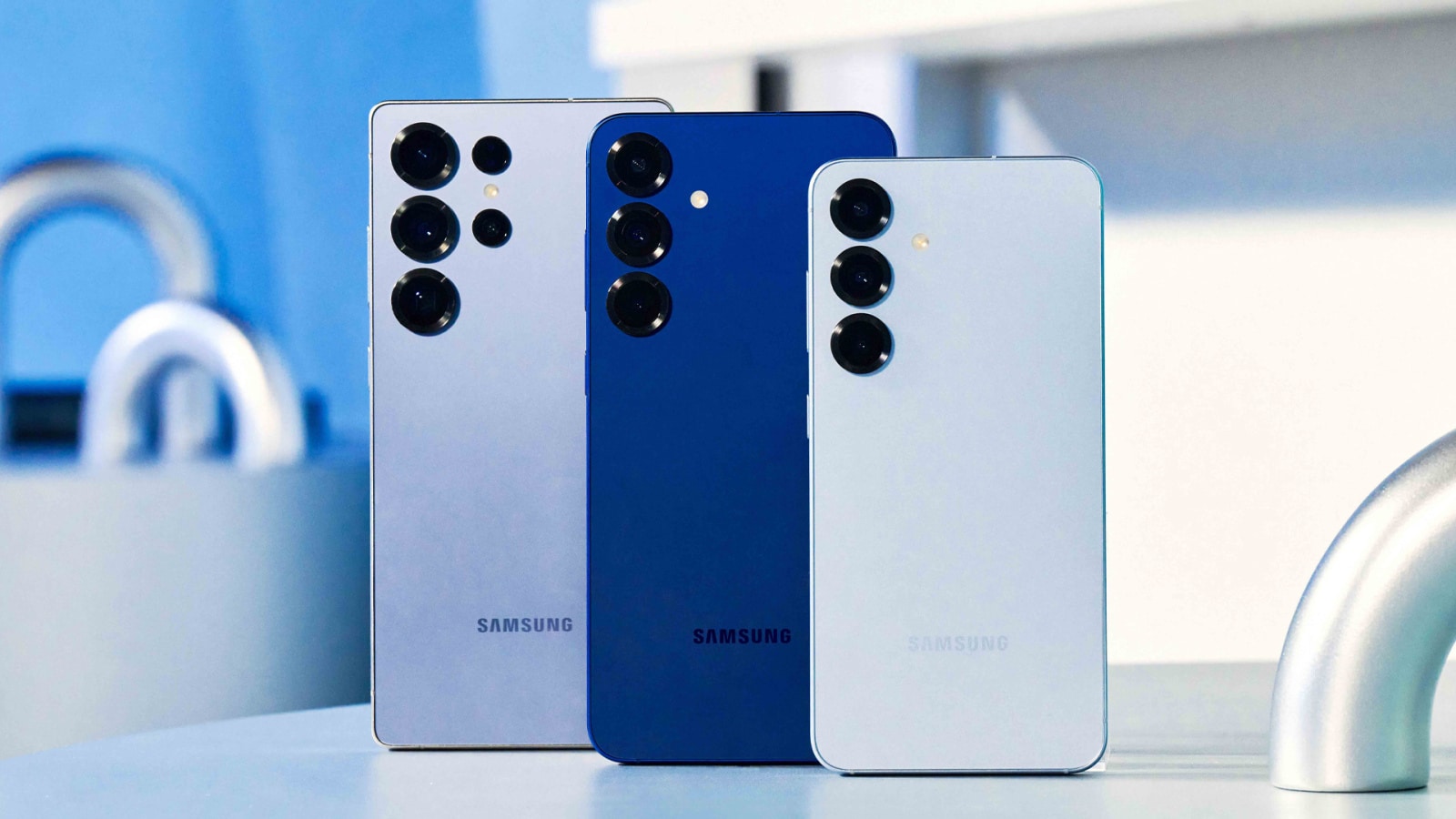
Samsung Electronics has raised the retail cost of its Galaxy S26 smartphone series by up to $200 six months after the devices initially hit the market.
Rather than implementing traditional mid-cycle discounts on hardware as it ages, the technology giant is inflating costs across its primary markets, including the US, mainland Europe, India and Canada. Only the budget-focused Galaxy S26 FE remains exempt from this international financial adjustment.
- In the US, the entry-level 256GB Galaxy S26 now retails for $1,000, a $100 increase from its original launch window.
- The premium 1TB Galaxy S26 Ultra experienced the steepest surge in the product lineup, jumping from $1,800 to $2,000.
- Similar adjustments apply to the mid-tier Galaxy S26+, which now demands $1,200 for the base storage configuration.
These recent revisions mean the six-month-old handsets are now significantly pricier than their immediate Galaxy S25 predecessors were at launch. Checking regional Samsung digital shopfronts confirms the revised figures are already live and actively affecting consumer checkout totals. While isolated regional markets might temporarily reflect older figures, they represent anomalies rather than the broader corporate rule.
Industry-wide mobile pricing pressures
The Korean manufacturer is not acting in isolation within the global mobile sector. Major rivals, including Apple and Google, have similarly inflated their flagship hardware costs during recent product cycles.
This sector-wide shift suggests fundamental changes in component pricing, manufacturing expenses or corporate profit strategies are forcing consumers to absorb higher costs across the premium consumer electronics tier.
Shoppers waiting for traditional seasonal sales will instead pay more for maturing technology. Supply chain rumours suggest this upward trajectory will persist beyond the current generation. Industry forecasts indicate the anticipated Galaxy S27 series will debut with another baseline cost increase when it arrives next year.
