NASA: US, Russia and China dominate near-Earth orbit

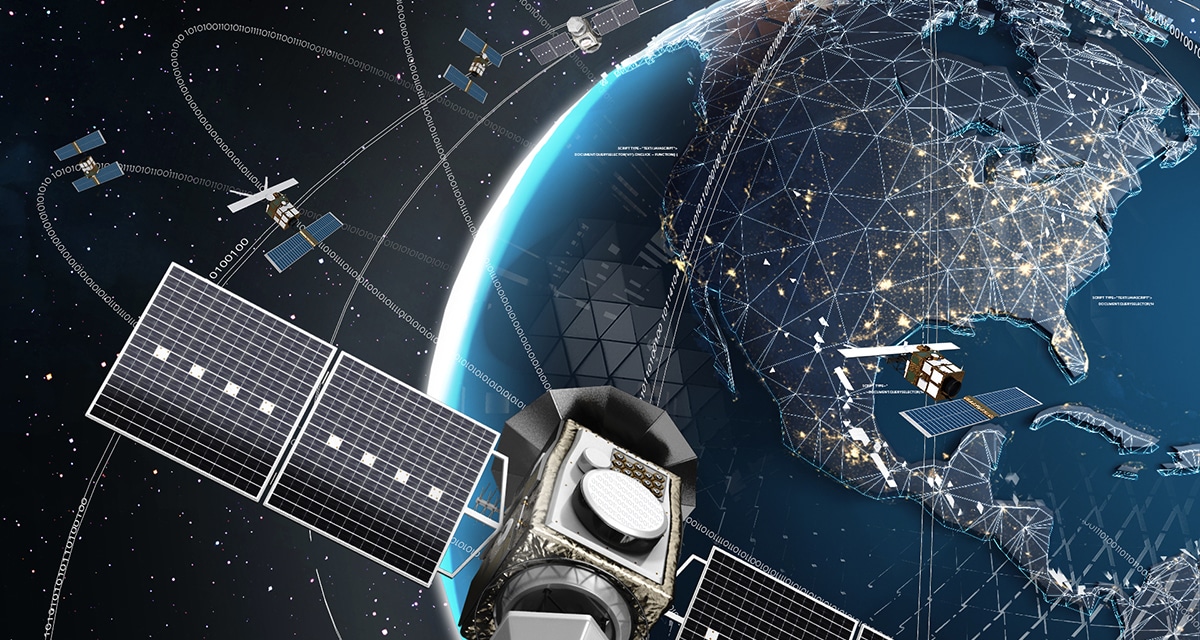
The United States, Russia and China dominate the population of artificial objects in near-Earth orbit, according to the latest figures released by NASA.
The September 2026 issue of the NASA Orbital Debris Quarterly News reports that tracking systems are currently monitoring 34,054 artificial objects around the planet as of August 4. This total represents an overall increase of 956 objects over a three-month period.
Of the total tracked items, 19,154 are classified as spacecraft, which encompasses both operational satellites and completely decommissioned hardware. This specific category saw a quarterly increase of 965 units.
Conversely, the number of discarded rocket stages, structural components and miscellaneous debris currently stands at 14,900, reflecting a minor decrease of nine objects during the same timeframe.
Dominance by major space powers
The United States accounts for the vast majority of tracked orbital hardware with 18,323 objects. The American total surged by 783 over the quarter, comprising 13,635 spacecraft alongside 4,688 rocket stages and pieces of debris.
Russia follows in second place with 6,575 objects, having recorded a slight decrease of 11 items. China ranks third with 5,737 objects, marking a quarterly increase of 104.
Other nations and space agencies maintain significantly smaller orbital footprints. The United Kingdom currently tracks 727 objects, followed closely by France with 649, Japan with 322 and India with 191.
The European Space Agency accounts for 132 items. The remaining 1,398 objects are distributed among various other countries and commercial organisations, a figure that grew by 64 over the three months.
The official figures published by the agency only account for items large enough to be detected and monitored regularly by ground-based surveillance networks. NASA explicitly notes that this data does not reflect the true scale of space debris.
Countless smaller fragments orbit the Earth undetected, and even minor pieces of debris travelling at orbital velocities pose a severe threat of critical damage to active satellites and crewed space missions.