How 2026 Nobel economics winners help central banks prevent recessions

Why do central banks raise interest rates when prices rise, even though this makes loans more expensive? And why do people sometimes save extra income instead of spending it?
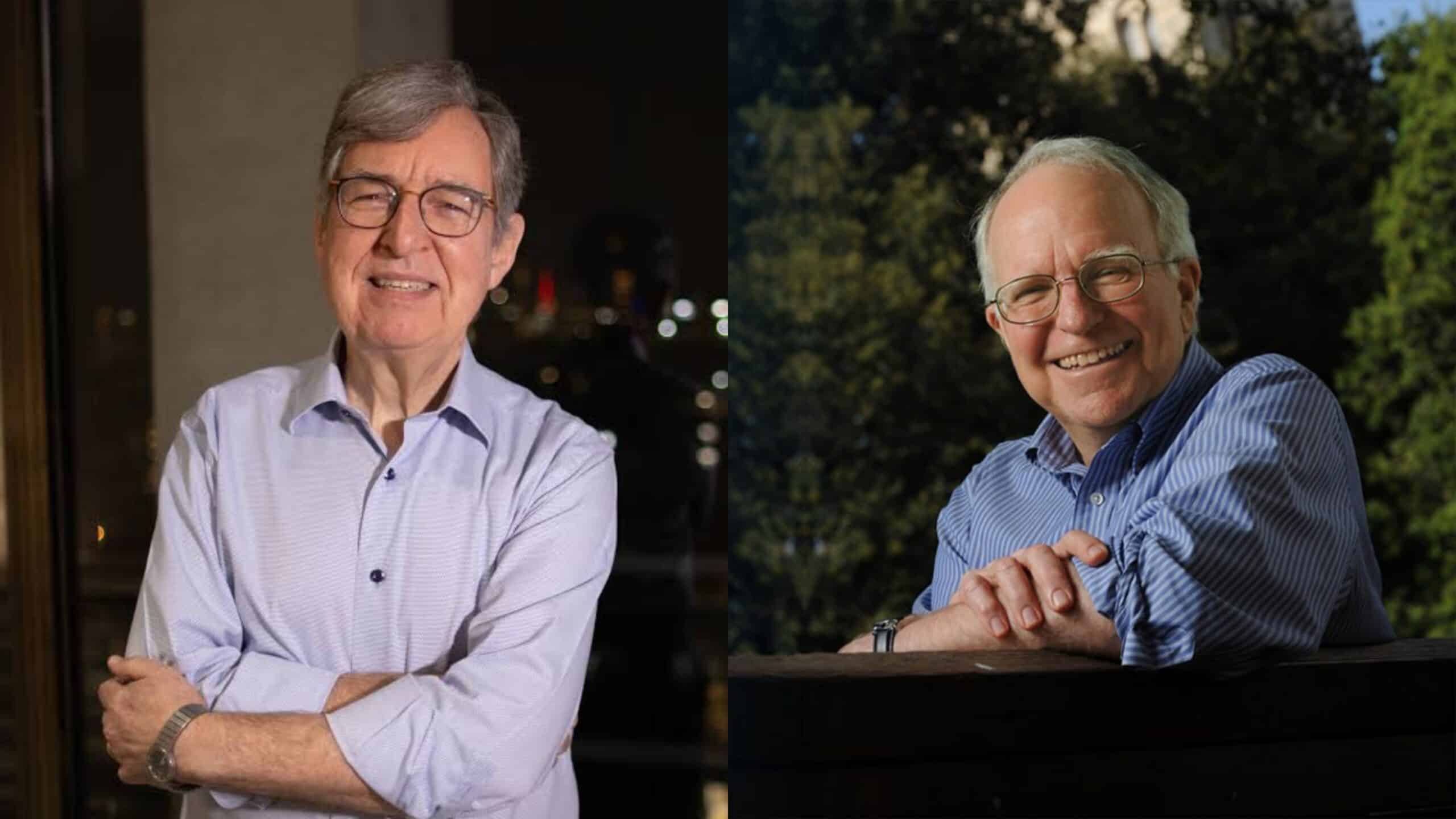
These questions are central to the research of American economists Robert E. Hall and Michael Woodford, who received the 2026 Nobel Memorial Prize in Economic Sciences on October 12.
Their work explores how households and businesses respond to economic changes and how policymakers can use that knowledge to manage inflation and recessions.
Why their research matters
Michael Woodford: how central banks control inflation

Woodford’s research explains how interest rates and people’s expectations influence inflation.
When prices rise too quickly, central banks can increase interest rates, making borrowing more expensive and encouraging people to spend less. This can slow inflation but also risks reducing economic growth.
Woodford showed that expectations matter just as much as policy decisions. If people trust that inflation will fall, businesses may be less likely to raise prices and workers may adjust their wage demands.
His findings help explain why central banks announce forecasts and communicate future interest rate plans.
Robert Hall: why people save instead of spend
Hall studied how households decide what to do with their income.
His research showed that spending depends not only on how much people earn today but also on what they expect to earn in the future.
For example, someone receiving a one-time bonus might save most of it. However, a permanent salary increase could encourage them to spend more regularly.
This helps governments understand why tax cuts or financial assistance do not always produce the expected increase in consumer spending.
BREAKING NEWS The Royal Swedish Academy of Sciences has decided to award the 2026 Sveriges Riksbank Prize in Economic Sciences in Memory of Alfred Nobel to Robert E. Hall and Michael Woodford «for microeconomic foundations of macroeconomic stabilisation.» #NobelPrize https://t.co/2i7ktB1Q2b
— The Nobel Prize (@NobelPrize) October 12, 2026
How does this affect ordinary people?
Their research helps policymakers understand:
- Inflation: How to slow price increases without unnecessarily damaging the economy.
- Loans and mortgages: How changes in interest rates affect borrowing and spending.
- Jobs: How measures to control inflation might affect employment.
- Government support: Why households sometimes save financial assistance instead of spending it.
Their models cannot prevent every economic crisis, but they help central banks and governments assess the consequences of their decisions.
Hall and Woodford will share the 12mn Swedish kronor ($1.2mn) prize.