Uzbekistan repatriates remains of Korean activist displaced by Stalin’s decree
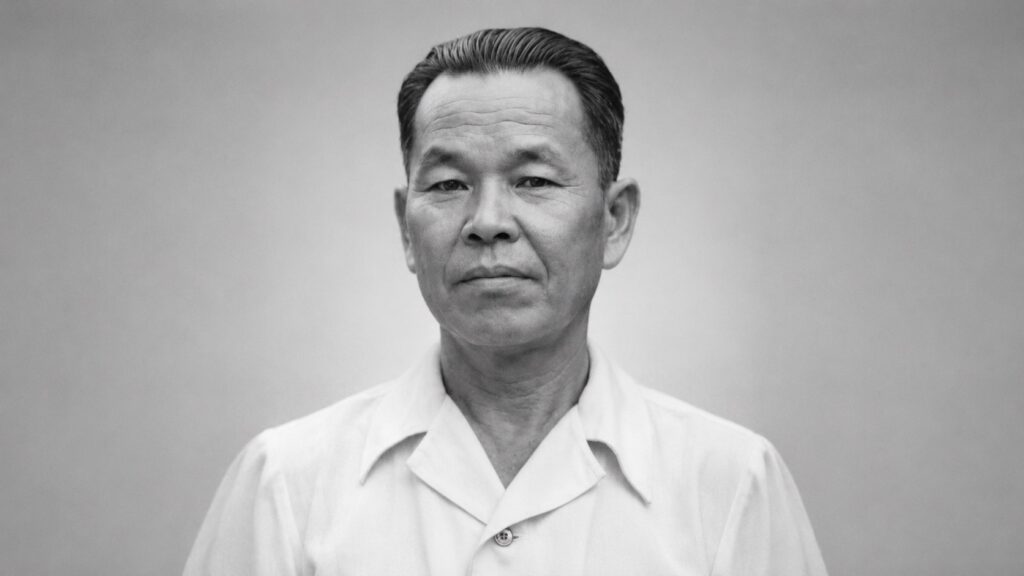
South Korea will be bringing home the remains of Lee Gwal, an independence activist who was displaced from the Russian Far East to Soviet Uzbekistan in 1937 and spent his final years on a collective farm.
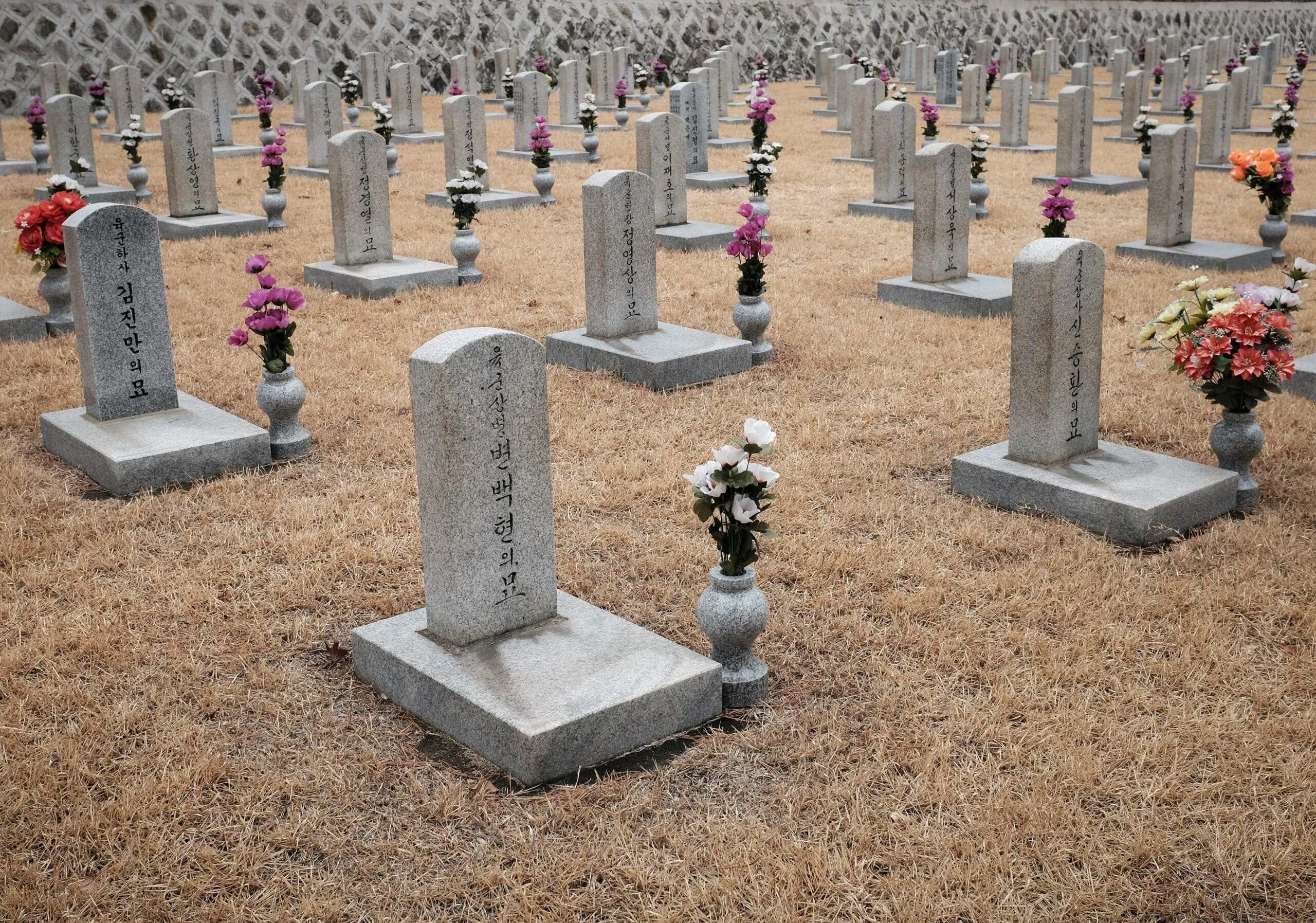
After passing away in 1963, Lee, who had previously served as a representative for Korea’s provisional government, was laid to rest in a Korean community cemetery in the Tashkent region. South Korea will repatriate his remains from Uzbekistan, making him the first Korean independence activist of his kind, according to the Ministry of Patriots and Veterans Affairs.
His remains are due to arrive at Incheon International Airport on 15 November. A ceremony will take place at Seodaemun Independence Park in Seoul on Monday morning, followed by reburial at Daejeon National Cemetery that afternoon.
In 2024, following interviews with Lee’s family and investigations into the area, the ministry located his grave. According to South Korean news outlet NewsPim, his family gave their final consent for the transfer in July.
Read more: Uzbekistan to open Koryo-in history museum in Tashkent
From a Korean newsroom to an Uzbek farm: Who was Lee Gwal?
While still a young boy, Lee and his family relocated to Manchuria from North Korea, where he was born in 1898. In Russia, he toiled as a shoemaker and labourer before becoming involved with Korean independence groups and later serving as a diplomatic envoy for the interim administration established under Japanese colonial control.
By the early 1930s, he was running Seonbong, a Korean-language newspaper in the Soviet Union.
The side story: Tashkent’s Korea-themed district faces backlash over torii gate
He was one of tens of thousands of ethnic Koreans from the Soviet Far East who were deported to Uzbekistan by Soviet authorities in October 1937. Lee oversaw a work brigade at the Severny Mayak (Lighthouse of the North in English) collective farm, located in the O’rta Chirchiq district outside of Tashkent.
Search continues across Central Asia
Monday’s ceremony will also honour Ho Si-han, another independence activist whose remains South Korea is bringing back from Los Angeles. South Korea began bringing home activists buried abroad in 1946.
Read also: Tashkent’s new $2.5bn airport to relocate Muslim, Korean and Russian cemeteries
The veterans ministry said it would continue looking for graves in Central Asia. Previous repatriations from the region include that of independence commander Hong Beom-do, whose remains were brought back from Kazakhstan in 2021.
