
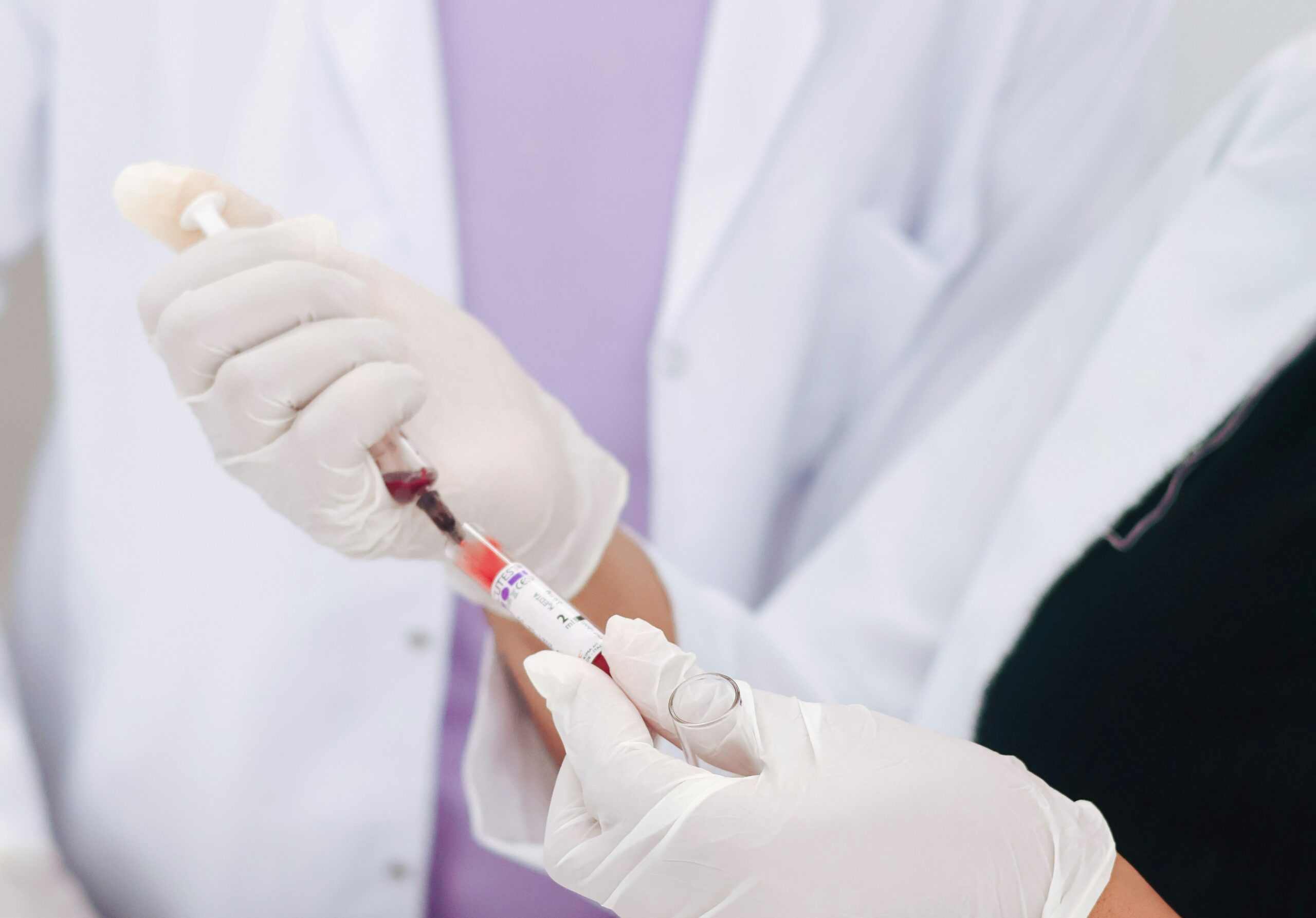
A sponge small enough to swallow can pick up cell changes that sometimes lead to cancer of the food pipe. England’s health advisers now want the NHS to offer the test to more people with persistent acid reflux.
The National Institute for Health and Care Excellence (NICE) opened a consultation on 16 November on the wider NHS use of two capsule sponge tests, Cytosponge and EndoSign.
According to The Independent, the draft guidance covers people with persistent reflux and several risk factors who do not need an urgent cancer referral. It also proposes using the test to monitor some people already diagnosed with Barrett’s oesophagus.
The main thing the sponge looks for is Barrett’s oesophagus, a change in the lining of the lower food pipe that raises the risk of one form of oesophageal cancer. The sample can also flag signs of early cancer. A camera examination called a gastroscopy lets doctors inspect the lining and take a biopsy to confirm what the sponge picked up.
Each year, doctors diagnose about 9,500 people with oesophageal cancer in the UK alone. Barrett’s can develop without symptoms of its own. That means someone who has had heartburn for years could have changes in their food pipe well before they notice symptoms of cancer.
- How the cancer sponge test works
- What the lab looks for
- What happens after the sponge test result?
- What the trials found
Read more: Uzbekistan to launch nationwide cancer care reforms in 2027
How the cancer sponge test works
The patient swallows a vitamin-sized capsule with water, and a thin thread attached to it is held by the clinician. The capsule dissolves in the stomach and releases a compressed sponge. About 7 minutes later, the clinician pulls it back up using the thread.
As it comes out, it sweeps across the lining of the oesophagus and collects cells for the lab.
The procedure takes about 10 minutes and does not require sedation. Some people have difficulty swallowing the capsule or experience a sore throat after taking it. In rare cases, the sponge can become dislodged from the thread and must be removed by gastroscopy.
What the lab looks for
Long-term reflux can change the lining of the lower oesophagus so that some cells resemble those in the intestine. The lab can look for a protein called TFF3, which helps identify those cells. Pathologists can also look for more abnormal changes called dysplasia, which can indicate a higher risk of cancer.
Fewer than one in 100 people with Barrett’s develop oesophageal adenocarcinoma in any given year, according to Cancer Research UK.
Adenocarcinoma, which usually starts near the bottom of the food pipe, is the form of cancer linked to Barrett’s and the main focus of research on the sponge test. The other main form, squamous cell carcinoma, develops from different cells and occurs more often in the upper and middle sections.
What happens after the sponge test result?
| Sponge test result | What usually happens next? |
|---|---|
| Positive | Doctors arrange a gastroscopy and take tissue samples to establish whether the patient has Barrett’s, dysplasia or cancer. |
| Negative | Clinicians weigh the result alongside the patient’s symptoms and risk. The test can miss changes, so persistent or worsening symptoms may still need investigating. |
| Inconclusive | If the sample contains too few cells or the result is unclear, the team may repeat the sponge test or arrange a gastroscopy. |
The draft guidance would require clinicians to take into account factors including age, smoking, obesity and a family history of Barrett’s or esophageal cancer when deciding who to test.
NICE guidance already recommends urgent suspected-cancer referral for difficulty swallowing. So does unexplained weight loss in someone over 55 who also has reflux, indigestion or pain in the upper abdomen.
Read more: Global breast cancer cases expected to exceed 3.5 million by 2050
What the trials found
In the 2020 BEST3 trial, researchers diagnosed Barrett’s in 140 people in the group offered Cytosponge, compared with 13 in the usual care group over about a year. Of the 221 people who underwent gastroscopy after testing positive on the sponge, 131 were confirmed to have Barrett’s or cancer. BEST4 is a larger trial recruiting 120,000 people to see whether screening can reduce deaths from esophageal cancer.
The sponge may also spare some patients a hospital procedure. In an NHS evaluation across 23 hospitals, 78% of the 2,170 patients with low-risk reflux who provided follow-up data were discharged without an endoscopy. In the UK, some NHS services already use capsule sponges, and England has piloted the test in high-street pharmacies.
